
Qatar Gas Facility Attack Raises Energy Fears for South Asia Amid Escalating Middle East Conflict
A series of escalating attacks on key energy infrastructure across the Middle East has intensified global concern, with analysts warning of significant economic fallout—particularly for South Asian nations heavily reliant on Gulf energy supplies.
South Asia Faces Major Energy Risk
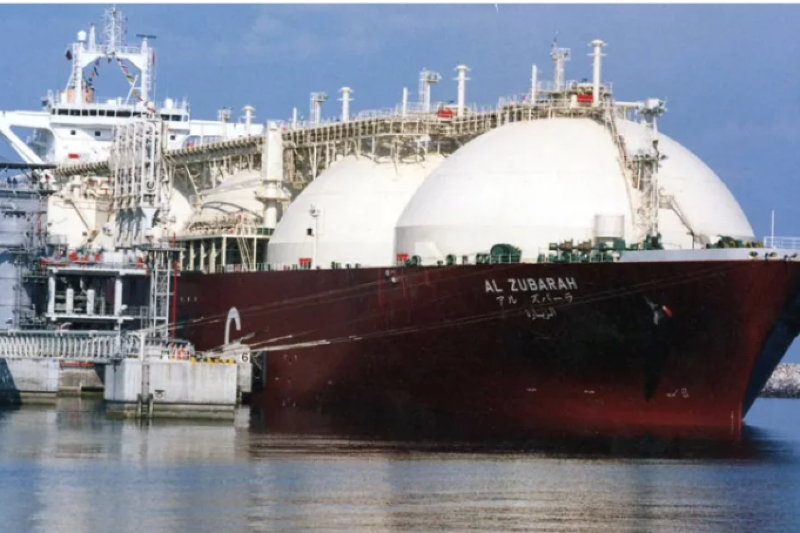
A missile strike on Qatar’s Ras Laffan Industrial City, one of the world’s largest liquefied natural gas (LNG) hubs, has triggered alarm in countries like Bangladesh, Pakistan, and India.
Energy analysts indicate that these nations are especially vulnerable due to their dependence on Qatari LNG. Pakistan sources প্রায় all of its LNG imports from Qatar, while Bangladesh relies on the Gulf state for a substantial portion of its supply. India also imports a significant share—over 40 percent—of its LNG from Qatar.
Any prolonged disruption at Ras Laffan could lead to electricity shortages, industrial slowdowns, and rising energy prices across the region.
Fresh Strikes and Fire at LNG Facilities
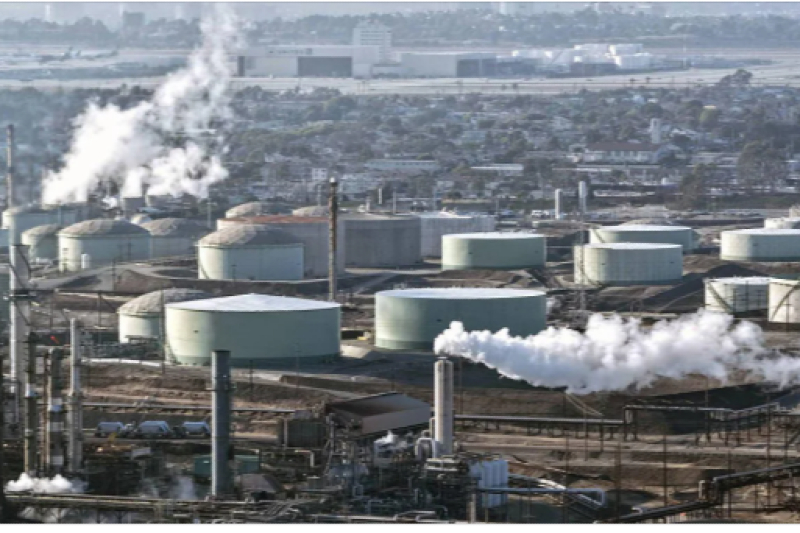
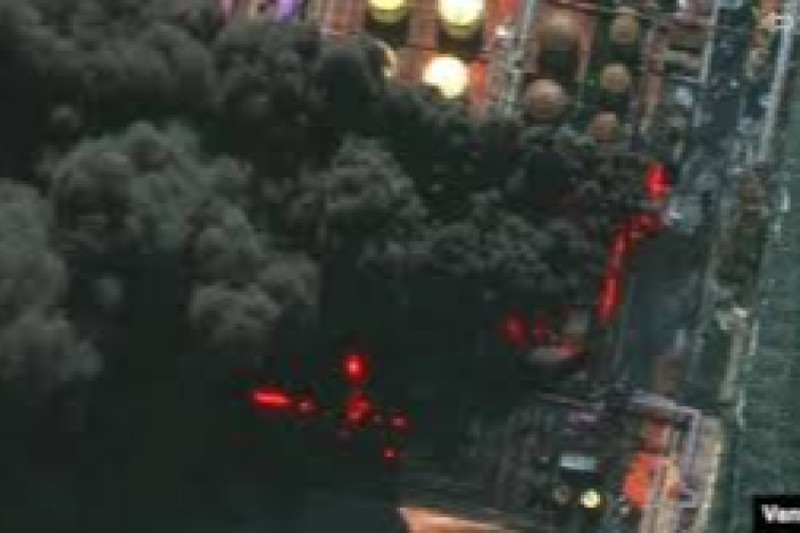
QatarEnergy confirmed that multiple LNG production and export facilities in Ras Laffan were hit in a missile attack early Thursday, sparking large fires and causing extensive damage. Emergency teams were deployed swiftly, and no casualties have been reported so far.
The facility had already experienced operational disruptions earlier this month, and experts say the latest damage could delay a return to full production.
Attacks Spread Across Oil Infrastructure
The crisis is not limited to Qatar. Across the region, several oil and gas installations have come under attack:
In Saudi Arabia, a drone crashed into the Samref oil refinery in Yanbu, with authorities assessing the extent of damage.
In Kuwait, fires broke out simultaneously at two major refineries—Mina Al-Ahmadi and Mina Abdullah—following reported attacks.
Another drone strike caused a limited fire at a separate Kuwaiti refinery earlier in the day.
These incidents highlight the growing vulnerability of critical energy infrastructure in the region.
Maritime Security Threats Intensify
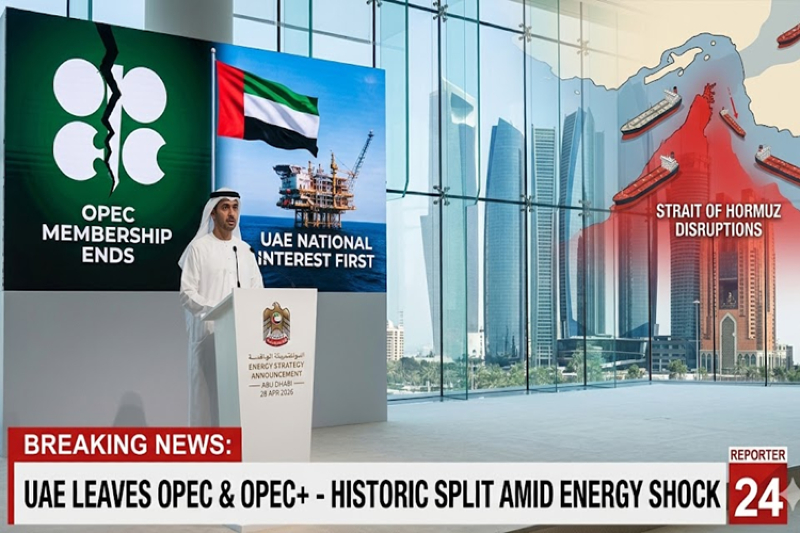
Tensions have also spilled into vital shipping routes. A vessel near the Strait of Hormuz, off the UAE coast, caught fire after being struck by an unidentified object, according to maritime authorities.
Since the conflict began, more than 20 ships have reportedly been targeted in or near the strategic waterway, a key corridor for global oil and LNG shipments.
Rising Tensions and Military Threats
Diplomatic rhetoric has grown increasingly sharp. Saudi Arabia has warned it may consider military action in response to repeated attacks, accusing Iran of attempting to pressure regional neighbors through strikes on energy facilities.
Meanwhile, U.S. President Donald Trump issued a stark warning, saying that any further attack on Qatar’s LNG infrastructure could provoke a massive response targeting Iran’s South Pars gas field—the world’s largest natural gas reserve.
At the same time, he has signaled reluctance to see further escalation targeting Iran’s energy sector, reflecting a complex and evolving stance.
Global Energy and Economic Impact
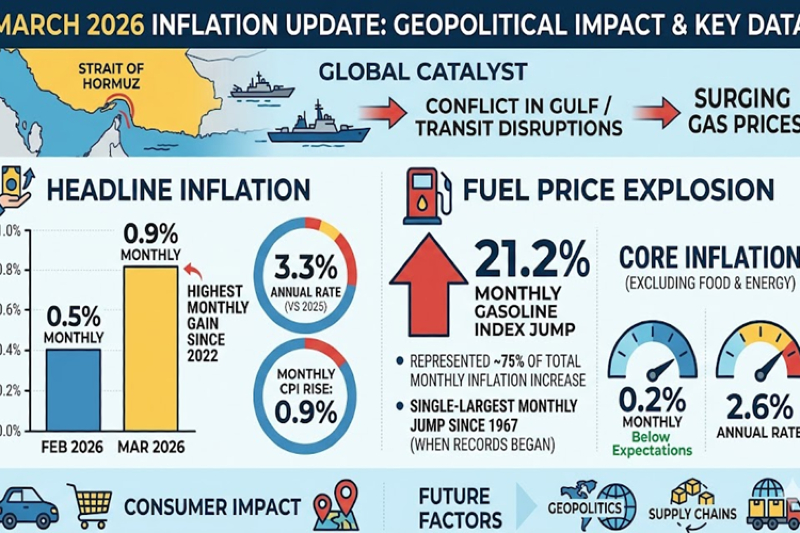
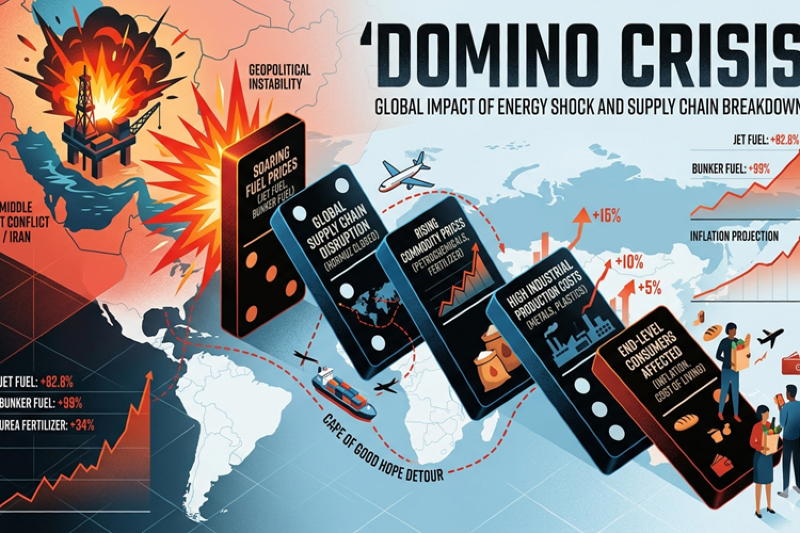
The conflict has already disrupted shipping through the Strait of Hormuz, through which a significant portion of the world’s energy supply passes. Reduced traffic and heightened risks have pushed global oil prices sharply higher, exceeding $100 per barrel in recent days.
Higher fuel costs are placing pressure on both developed and developing economies, with governments facing mounting challenges to stabilize markets and protect consumers.
Humanitarian and Political Fallout
Beyond economic concerns, the conflict continues to have severe humanitarian consequences. Airstrikes in Lebanon and other areas have resulted in casualties, while displacement and instability are affecting millions.
International calls for restraint are growing louder, with global powers urging all sides to avoid targeting civilian and energy infrastructure that could further destabilize the region.