
Oil Prices Slide as US–Iran Diplomacy Signals Ease Market Fears
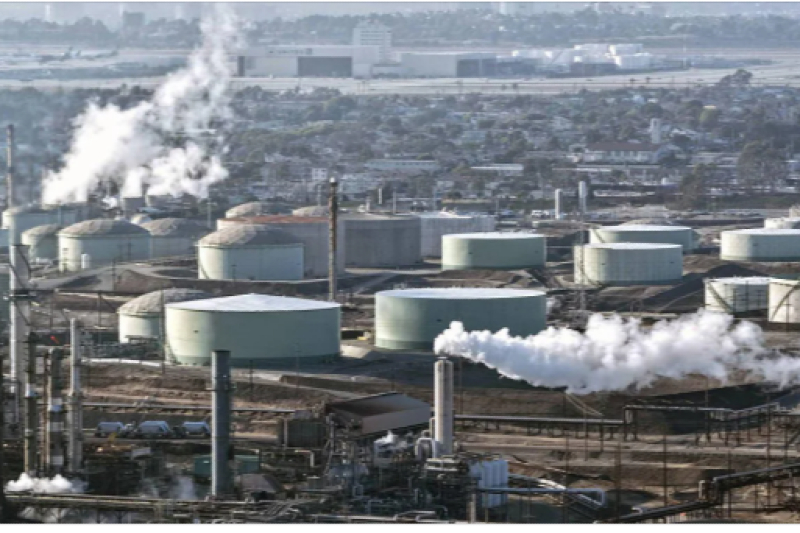
Global oil markets retreated sharply on Tuesday as renewed hopes of diplomatic engagement between the United States and Iran calmed fears of prolonged supply disruptions, even as tensions in the Middle East remain high.
Brent crude fell below the $96 mark, while US benchmark West Texas Intermediate dropped closer to $93, reversing part of Monday’s surge above $100 per barrel. The decline reflects growing optimism among traders that backchannel communication and potential talks could prevent further escalation in the region.
Diplomatic Signals Cool Market Tension
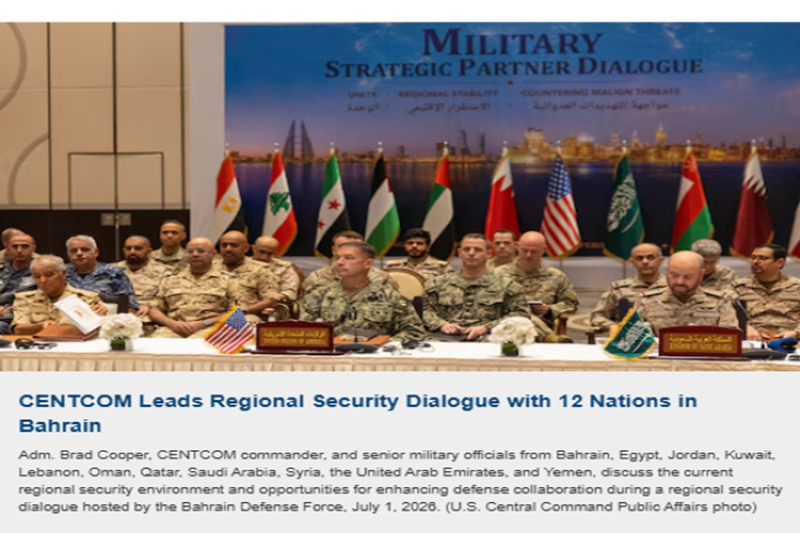
Investor sentiment shifted after indications emerged that Tehran may be open to renewed negotiations with Washington. Reports suggest informal proposals have already been exchanged, including possible limits on nuclear activity. While no agreement is imminent, the mere possibility of continued dialogue has softened immediate supply concerns.
Market analysts note that even small signs of de-escalation can significantly influence oil prices, particularly when geopolitical risks are centered around critical supply routes like the Strait of Hormuz.
Supply Risks Still Loom Despite Price Drop
Despite the recent dip, oil prices remain significantly higher than pre-conflict levels, underscoring ongoing uncertainty. The disruption in global supply—exacerbated by shipping concerns and halted exports—continues to pose a serious challenge.
Energy experts warn that the situation could worsen if the standoff intensifies or spreads beyond Iran. The International Energy Agency has already flagged record supply disruptions and signaled readiness to release additional reserves if necessary.
Markets React, But Volatility Likely Ahead
Asian stock markets responded positively to easing oil prices, reflecting reduced pressure on energy-importing economies. However, analysts caution that volatility will persist as traders closely monitor developments in the Gulf region.
The trajectory of oil prices in the coming weeks will largely depend on whether diplomatic efforts translate into concrete action—or if geopolitical tensions escalate once again.