
Pakistan’s Prime Minister to Visit Riyadh and Ankara to Revive U.S.-Iran Peace Talks
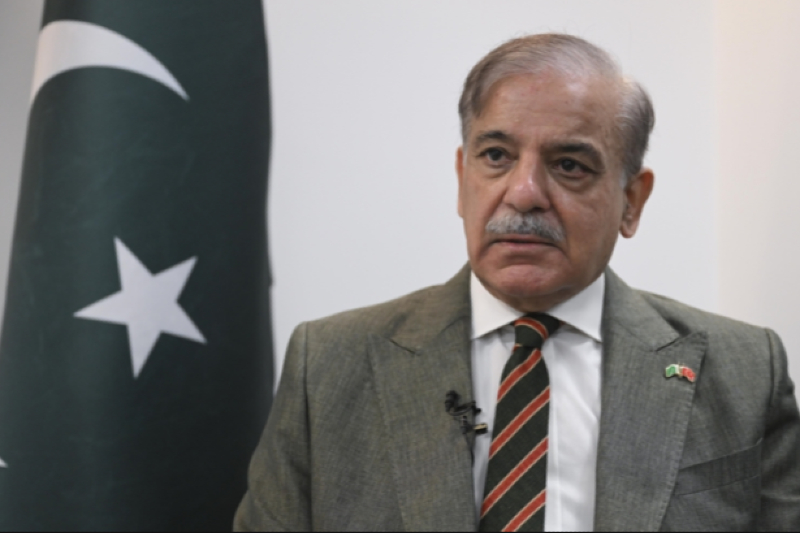
ISLAMABAD — Pakistani Prime Minister Shehbaz Sharif is scheduled to visit Saudi Arabia and Turkiye this week, signaling a renewed push to mediate a second round of high-stakes peace negotiations between the United States and Iran.
The diplomatic tour follows an announcement from President Asif Ali Zardari on Tuesday, confirming that Sharif has briefed the presidency on his strategy to engage fellow regional mediators.
High Stakes and Renewed Optimism
While the first 21-hour marathon session between U.S. Vice President JD Vance and Iranian parliament Speaker Mohammad Bagher Ghalibaf ended on Sunday without a formal agreement, international sentiment is shifting toward a second attempt.
In a surprising turn of events, U.S. President Donald Trump indicated on Tuesday that talks could resume in Pakistan within the next 48 hours.
The President also took the opportunity to praise Pakistan’s military leadership, specifically Army Chief Gen.
A Global Mediation Drive
Zardari’s statement emphasized Pakistan's commitment to remaining a "responsible and pivotal state" by providing a neutral platform for the warring sides.
The visits to Riyadh and Ankara are seen as essential steps to align regional powerhouses. Both Saudi Arabia and Turkiye have previously expressed their desire for de-escalation, given the significant economic fallout caused by the conflict and the recent blockade of the Strait of Hormuz.
Obstacles Remain
Despite the optimism, the path to peace is littered with challenges. The primary sticking points continue to be:
Uranium Enrichment: Disagreements over the duration and scope of a potential ban on Iran's nuclear program.
Economic Blockade: The ongoing U.S. naval blockade on Iranian ports remains a significant point of contention.
Regional Proxy Influence: Concerns over Hezbollah's role in the broader conflict.
As Prime Minister Sharif prepares for his diplomatic mission, the world remains focused on Islamabad. If successful, the upcoming round of talks could represent a turning point in a seven-week war that has already claimed thousands of lives and disrupted the global economy.