
Oil Surges Near $110 After Strike on Key Gas Field Raises Global Energy Fears
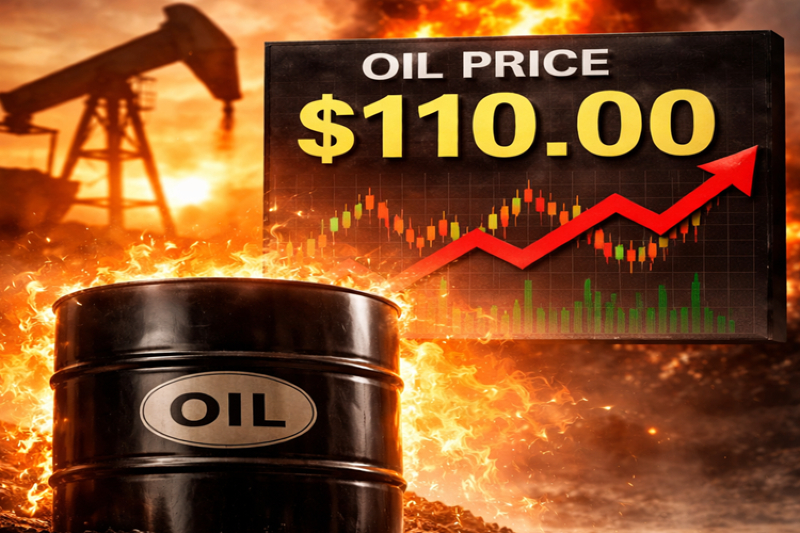
Global energy markets jolted on fresh geopolitical tensions as oil prices climbed close to $110 per barrel following reports of an airstrike on Iran’s massive South Pars Gas Field—the world’s largest natural gas reserve.
The international benchmark, Brent Crude Oil, briefly touched $109.91 per barrel during afternoon trading, marking a sharp rise of over 5% compared to the previous session. Prices later eased slightly but remained elevated, reflecting heightened uncertainty in energy markets.
At the same time, the UK’s wholesale gas price surged by around 6%, crossing 143 pence per therm before slipping back below the 140 mark.
Strike Triggers Regional Tensions
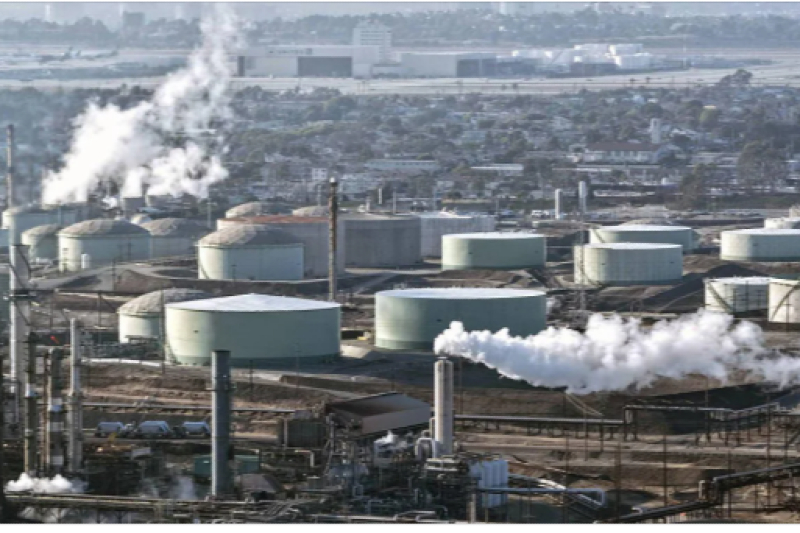
Iranian media reported that a petrochemical facility linked to the South Pars field had been hit, sparking a fire that authorities later claimed was under control. The development has intensified fears of further escalation in an already volatile region.
In response, Iranian military officials warned of strong retaliation, stating that any attack on the country’s energy infrastructure would prompt decisive countermeasures. The warning included potential strikes targeting the origins of such attacks, raising concerns about broader regional fallout.
Damage Reported in Qatar
The situation escalated further when Qatar confirmed significant damage at the Ras Laffan Industrial City—a major energy hub tied to the same gas field, known locally as the North Dome.
Authorities in Qatar reported a fire at the site following what was described as an Iranian strike. Emergency services managed to bring the blaze under control, and no casualties were reported. However, officials warned that attacks on such infrastructure pose a serious threat to global energy security.
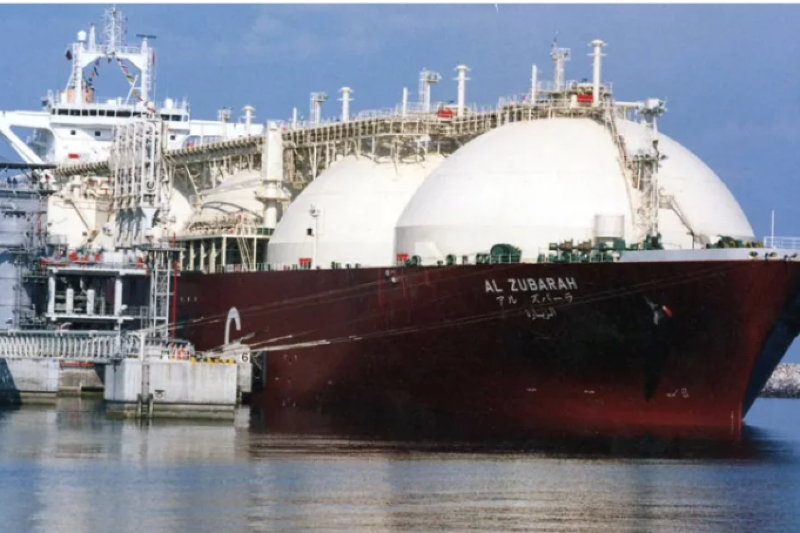
Qatar, one of the world’s leading liquefied natural gas exporters, had already reduced production earlier this month amid rising tensions, adding to supply concerns.
Markets Remain Volatile
Despite the recent spike, oil and gas prices are still below earlier peaks recorded this month. Oil previously climbed above $116 per barrel, while gas prices reached higher levels earlier in March.
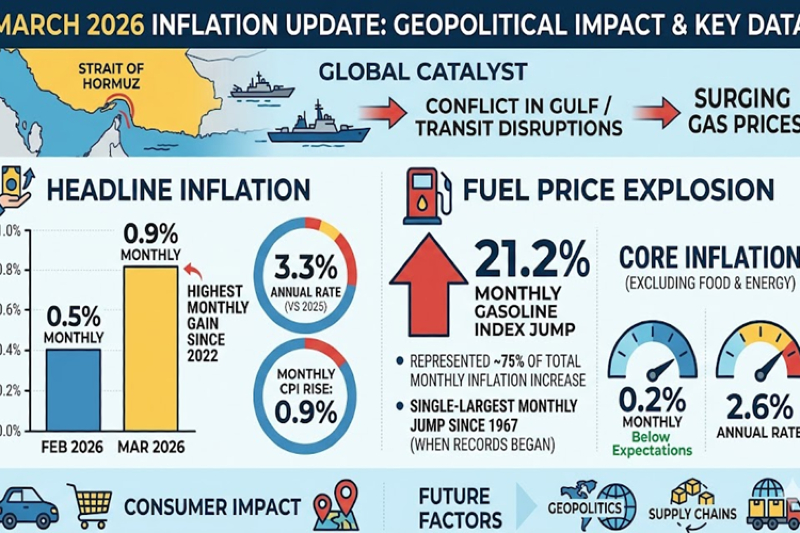
Market analysts say the ongoing uncertainty—particularly surrounding the strategic Strait of Hormuz—is likely to keep prices unstable. The waterway is a critical route for global oil shipments, and any disruption could significantly impact supply chains worldwide.
US Moves to Ease Supply Pressure
In response to rising prices, the White House announced a temporary suspension of the Jones Act. The 60-day waiver allows non-US-built vessels to transport energy supplies between domestic ports, aiming to improve the flow of oil, gas, and other essential resources.
However, industry experts suggest the move may have limited impact, noting that global oil prices—not shipping constraints—are the primary driver behind rising fuel costs.
Supply Strains Deepen
Adding to the pressure, Iran has reportedly halted gas exports to Iraq to prioritize domestic consumption. Data indicates that nearly all of Iran’s gas production is used internally, leaving little buffer for exports during times of crisis.
With geopolitical tensions showing no immediate signs of easing, analysts warn that global energy markets could face continued instability in the coming weeks.