
UAE Abandons OPEC and OPEC+ Amid Iran War and Energy Crisis
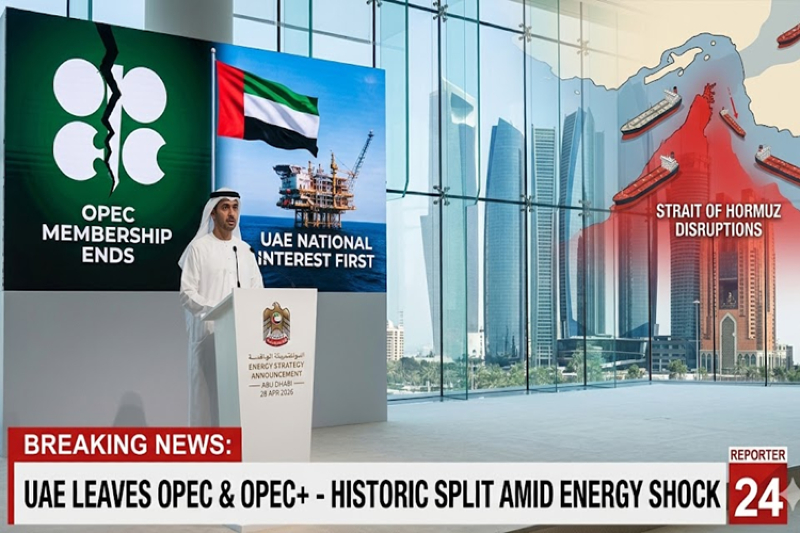
ABU DHABI / DUBAI — In a move that has sent shockwaves through global energy markets, the United Arab Emirates (UAE) officially announced on Tuesday its withdrawal from OPEC and the expanded OPEC+ alliance, effective May 1, 2026.
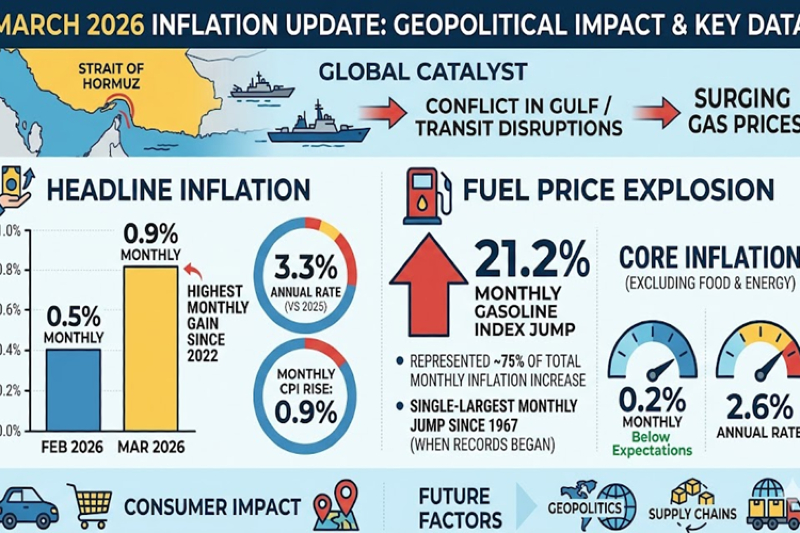
The decision marks a historic break from nearly six decades of coordinated oil policy. It comes as the federation seeks to prioritize its national interests during a "historic energy shock" triggered by the ongoing conflict in Iran and persistent disruptions in the Strait of Hormuz.
A Strategic Pivot to National Interests
The UAE’s Ministry of Energy and Infrastructure stated that the exit reflects the nation’s "evolving energy profile" and a strategic vision to ramp up domestic production.
Production Targets: The UAE aims to increase its output capacity from 3.4 million barrels per day (bpd) to 5 million bpd by 2027—a goal that had been consistently stifled by OPEC-imposed quotas.
Gradual Supply: Energy Minister Suhail Mohamed Al Mazrouei clarified that while the UAE is leaving the cartel, it intends to bring additional production to the market in a "gradual and measured manner" to maintain stability.
Frustration with Regional Allies
The departure is not merely economic; it is deeply rooted in geopolitical frustrations. On Monday, Anwar Gargash, diplomatic adviser to the UAE President, delivered a stinging rebuke of the Gulf Cooperation Council (GCC) and the Arab League at the Gulf Influencers Forum.
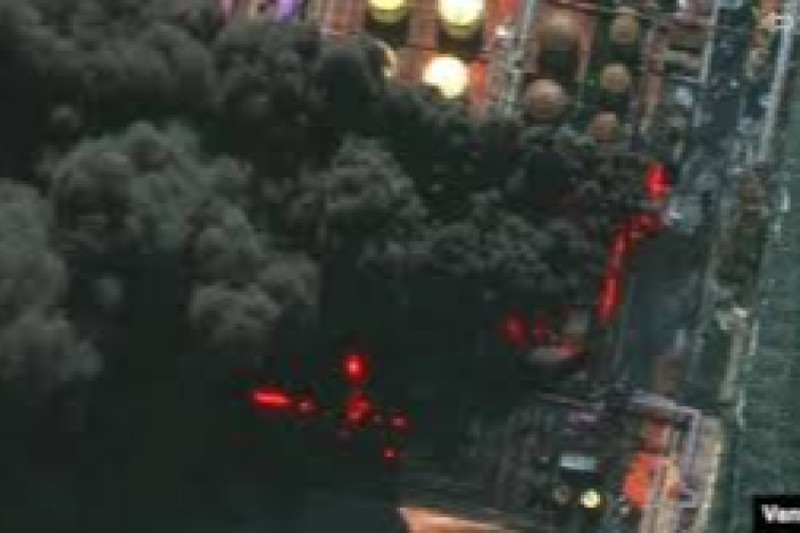
Gargash described the regional political and military response to Iranian attacks on UAE infrastructure—including the recent fire at the Habshan gas facility—as the "weakest historically."
"I expected this weak stance from the Arab League... but I haven’t expected it from the [Gulf] Cooperation Council and I am surprised by it," Gargash stated.
A Major Win for the Trump Administration
The UAE’s exit is seen as a significant political victory for President Donald Trump, who has long characterized OPEC as a cartel that "rips off the world" by artificially inflating prices.
The Military Link: Trump has frequently linked U.S. military protection in the Gulf to oil prices, pressuring allies to keep costs low in exchange for security.
Market Reaction: Following the news, Brent crude prices, which had spiked above $105 per barrel due to the Iran war, saw a brief dip as traders anticipated a future surge in Emirati supply.
Impact on the Global Oil Cartel
The loss of the UAE—OPEC’s third-largest producer—is a devastating blow to the group's de facto leader, Saudi Arabia.
Diminishing Influence: The exit of the UAE, following Qatar’s departure in 2019, suggests a fragmenting of the "united front" Gulf nations have traditionally maintained.
Russia's Struggle: For Russia, a key member of OPEC+, the timing is particularly difficult. As Russian oil revenues have already collapsed by 24% due to the war and international pressure, a potential flood of Emirati oil could further depress prices, hurting Moscow's war-torn budget.
As the May 1 deadline approaches, the global energy landscape faces a new era of volatility, with one of the world's most stable producers now operating as a "free agent" in a market already pushed to the brink by war.