
Bitcoin Reclaims $63K Level as Soft U.S. Labor Data Triggers Market Reversal
NEW YORK —Bitcoin (BTCUSD) experienced a sudden 1.03% uptick on July 4, pushing its price to $63,394 and extending its seven-day gains to over 5%. According to a recent TradingKey report, this upward momentum was primarily fueled by cooler-than-expected U.S. economic data, renewed institutional ETF inflows, and a massive liquidation of short positions in the derivatives market.
Macro Tailwinds and Shifting Fed Expectations
The spark for the July 4 rally was the June nonfarm payrolls report, which broadly missed expectations. The U.S. economy added just 57,000 jobs, falling far short of the anticipated 100,000-plus figure.
This cooling in the labor market led investors to scale back expectations for further interest rate hikes by the Federal Reserve, prompting a sell-off in the U.S. dollar and a rally in short-term Treasuries. As a result, capital began flowing back into risk-on assets like Bitcoin, providing much-needed relief after a turbulent first half of 2026.
Institutional Appetite Returns
Following a grueling ten-day streak of capital flight, U.S. spot Bitcoin exchange-traded funds (ETFs) finally saw a trend reversal. Institutional investors poured over $220 million in net inflows back into the market, heavily concentrated in Fidelity’s FBTC fund. This suggests institutional buyers are actively defending the psychological $60,000 support level.
Corporate accumulation also played a role in stabilizing sentiment. Japanese investment firm MetaPlanet recently bolstered its balance sheet by purchasing an additional $170 million in Bitcoin, reinforcing the narrative that long-term holders see value at current price levels.
Derivatives Market Short Squeeze
Bitcoin’s rapid price appreciation caught bearish traders off guard, triggering a classic short squeeze. Leading up to the rally, speculative short positions had piled up—partially driven by Citigroup’s decision to slash its 12-month Bitcoin price target to $82,000 amid sluggish summer demand.
When the macro data and ETF flows flipped positive, short-sellers were forced to buy back in to cover their positions. These forced liquidations accounted for nearly 90% of all liquidations during the trading session, significantly amplifying the intraday price spike.
Lingering Risks and Technical Headwinds
Despite the celebratory holiday bounce, the broader market landscape remains fragile. June 2026 was the worst month on record for U.S. spot Bitcoin ETFs, with staggering outflows exceeding $4.5 billion pushing year-to-date flows into negative territory.
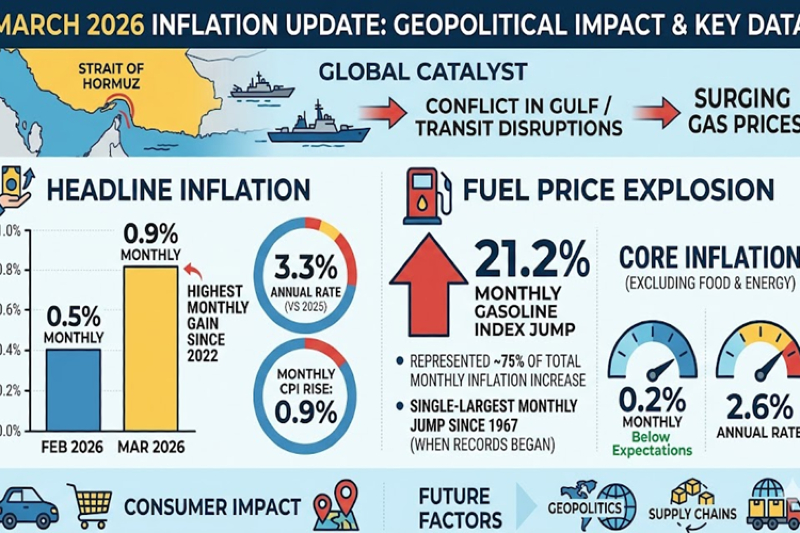
Furthermore, macroeconomic inflation remains sticky. May’s consumer inflation rate ran hot at 4.2%, keeping the threat of a prolonged "higher-for-longer" Federal Reserve rate policy alive. If upcoming CPI data disappoints, Bitcoin remains highly vulnerable to aggressive downside volatility.
Traders are also closely monitoring potential structural selling pressure from massive Bitcoin whales. Recent on-chain data flagged a 491 BTC movement from a wallet linked to MicroStrategy—shortly after the software firm authorized tactical sales of up to $1.25 billion. Additionally, blockchain trackers noted a 1,000 BTC transfer (valued around $62 million) to Coinbase Prime from a wallet historically tied to early investor Tim Draper.
From a technical standpoint, while indicators like the Williams %R suggest a buy condition and the RSI (50.5) sits in neutral territory, the asset's longer-term market structure shows weakness. Bitcoin continues to trade below its downward-sloping 200-day moving average. Until bulls can decisively clear the heavy resistance zone between $62,000 and $64,000, the risk of a retracement toward the $56,200 Fibonacci support—or even the low $50,000s—remains in play.
Disclaimer: This article is intended for general informational and educational purposes only. It does not constitute financial, legal, or investment advice. Cryptocurrency markets are highly volatile, and past performance is not indicative of future results. Always conduct your own research or consult with a licensed financial professional before making investment decisions.