
Oil Prices Surge After Qatar Warns Gulf Energy Production Could Halt Amid Iran War

Global oil prices jumped sharply after Qatar’s energy minister warned that escalating conflict in the Middle East could soon force major Gulf producers to suspend oil and gas production, raising fears of a wider global economic shock.
Brent crude rose 6.7% on Friday to above $91 per barrel, following comments by Saad al-Kaabi, Qatar’s energy minister and chief executive of QatarEnergy.
In an interview with the Financial Times, Kaabi warned that if the war involving Iran continues, oil prices could climb to as high as $150 per barrel in the coming weeks.
Kaabi cautioned that the conflict threatens the stability of global energy supply chains and could trigger severe economic consequences.
According to him, a prolonged war in the region could slow global economic growth, increase energy costs worldwide and disrupt industrial production due to supply shortages.
The Middle East plays a critical role in global energy markets, and disruptions there often ripple across the global economy. Rising oil prices typically increase transportation costs and raise prices for goods such as food, heating fuel and imported products.
LNG Production Halted in Qatar
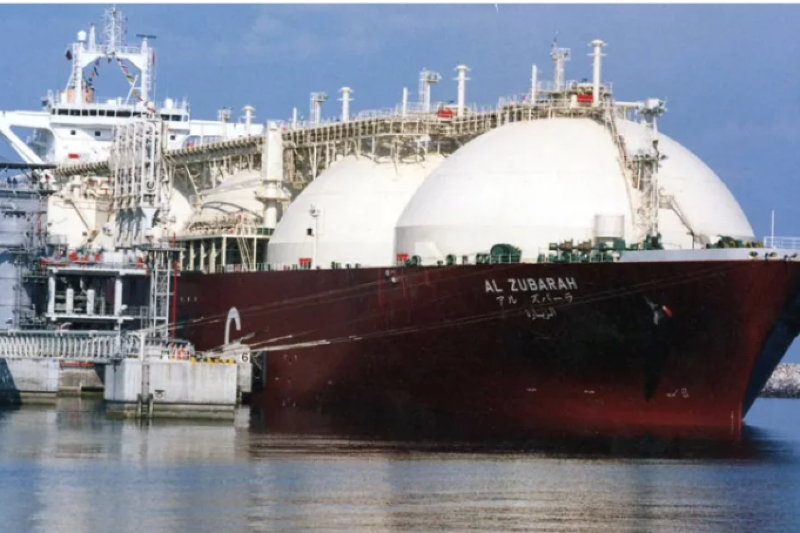
The warning came after QatarEnergy announced it had suspended liquefied natural gas (LNG) production following military attacks on its facilities.
The company declared “force majeure,” a legal clause that frees suppliers from contractual obligations when extraordinary circumstances prevent deliveries.
Kaabi suggested other Gulf exporters might soon face similar disruptions if the conflict persists, potentially forcing them to halt energy production as well. Even if hostilities ended immediately, he said it could take weeks or even months for operations to fully recover.
Strait of Hormuz Disruption Raises Global Concerns
The crisis has also affected shipping through the Strait of Hormuz, one of the world’s most critical energy chokepoints. Normally, about 20% of the world’s oil supply passes through this narrow waterway each day.
However, maritime traffic through the route has slowed dramatically since fighting began between Iran and the US-Israeli coalition last weekend. Disruptions to shipping could significantly affect major energy-importing economies including China, India and Japan.
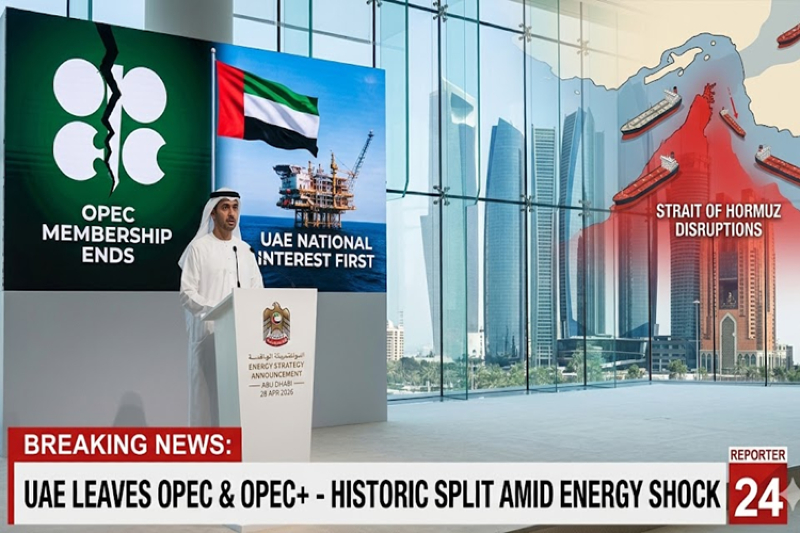
Although countries such as Saudi Arabia and the United Arab Emirates have alternative pipelines that bypass the strait, analysts warn prolonged threats to shipping could still drive oil prices higher.
Risk of Global Economic Shock
Energy analysts say the situation poses a serious risk to the global economy. Jorge Leon, an analyst at Rystad Energy, said the world may be approaching a turning point that could determine whether the crisis remains temporary or escalates into a major global energy shock.
If the conflict continues for more than two weeks, Leon warned, the chances of significant disruption to global energy markets and economic growth will increase sharply.
Should Gulf producers lose the ability to export oil, they would initially rely on storage facilities. But once storage capacity is exhausted — which analysts say could happen within days to several weeks depending on capacity — production would likely be forced to stop.
Inflation and Energy Costs Could Rise
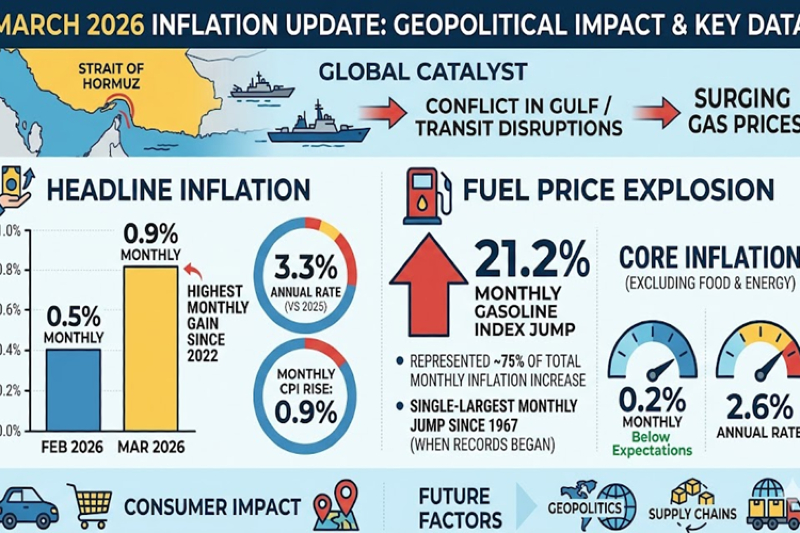
Economists say prolonged high oil prices could fuel inflation in major economies such as the United States and the United Kingdom, where inflation has recently been easing.
Higher fuel prices are already affecting consumers. Petrol and diesel prices have begun rising in the UK, and household energy costs could increase later this year depending on global market trends.
Investment strategist Lindsay James from Quilter described a complete halt in Gulf energy production as an “extreme scenario,” though she noted the risk increases the longer the conflict continues.
While some analysts believe the disruption may prove temporary, others warn that sustained instability in the Gulf could trigger prolonged energy price increases and slow economic growth worldwide.
Key Data in the Report
$91 per barrel – Brent crude price after the jump.
6.7% rise – Increase in Brent crude oil price.
$150 per barrel – Possible oil price if the conflict continues.
20% of global oil supply – Normally passes through the Strait of Hormuz.
Two weeks – Analysts warn that if the conflict lasts longer than this, the global energy system could face serious disruption.
Days to a few weeks – Estimated time Gulf producers may continue production before storage capacity forces them to halt output.
Weeks to months – Estimated time needed to restore full energy production even if the conflict stops immediately.