
Australian IS Families Repatriation Halted: Women and Children Return to Syria Camp
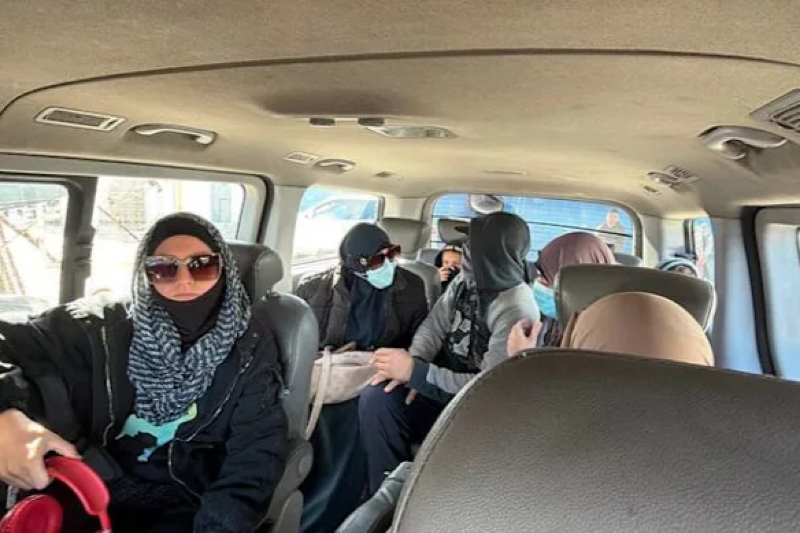
In an unexpected turn of events this week, 34 Australian women and children who had been detained in a northern Syrian camp for years were sent back after briefly being freed to begin their journey home.
The group — believed to be relatives of former Islamic State fighters — had been held in Roj, a sprawling makeshift detention centre, where displaced families have lived under difficult conditions since the collapse of IS-held territory in 2019.
Earlier Monday, the Australians were escorted out of the camp with the help of relatives who had travelled to Syria to assist them. They boarded vehicles accompanied by armed personnel, with the goal of reaching Damascus and, from there, obtaining travel documents to reintegrate into life in Australia.
But the effort stalled, sources close to the situation said, because the necessary security clearances and travel permissions were not fully coordinated among the various factions controlling parts of north‑east Syria. As a result, the group was returned to Roj and remains there for now.
For years, Canberra has taken a firm line on the issue. Government officials have repeatedly stated that Australians who were involved with extremist groups should face justice rather than be brought home without accountability. Yet, under international law, citizens who present themselves at Australian embassies abroad are entitled to travel documents and protection.
This dilemma has left families in limbo. Those inside the camp include young children who have known no life outside makeshift tents and crowded compounds. Aid workers and camp administrators caution that growing up in such an environment — where extremist beliefs can still circulate among residents — carries serious risks.
The co‑director of the Roj facility urged nations around the world to take responsibility for their citizens. “These are children and women who have spent the better part of a decade in detention,” she said. “Delaying their return only deepens the humanitarian crisis.”
Australia is not alone in grappling with these decisions. A smaller group of Australian detainees was brought home in 2022, a move that sparked debate over security and moral responsibility. Similar cases have played out in Europe, including the high‑profile situation of Shamima Begum, whose British citizenship was revoked after she left the UK as a teenager to join the Islamic State.
For now, the future of the 34 Australians remains uncertain. Back in Roj, they face the same overcrowded conditions and limited access to education and healthcare that have marked life there for years.
Officials in Canberra continue to monitor developments closely, with security agencies emphasising that public safety will guide any decisions about future repatriation efforts.
As debates over policy and humanitarian obligation continue, thousands of foreign families remain in camps across northern Syria — waiting, like those 34 Australians, for a path forward.