
War Escalates: Trump Demands Iran’s Surrender as Tehran Targets US Bases in UAE, Kuwait
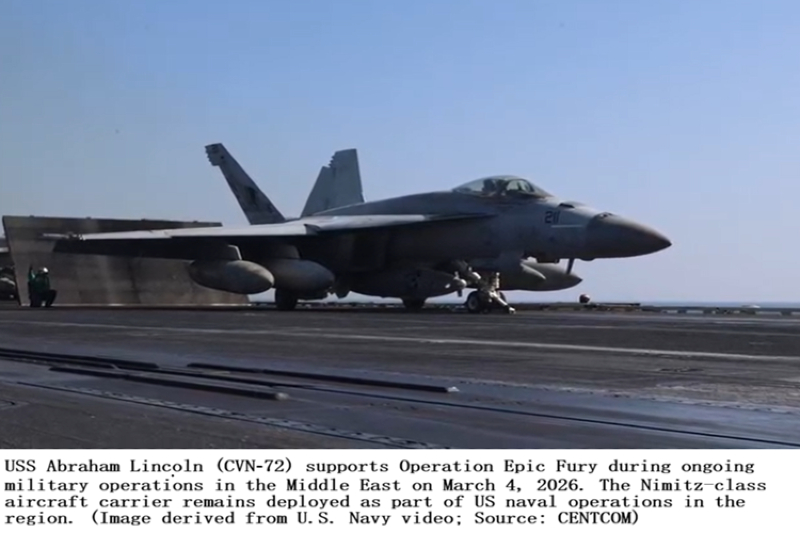
The escalating conflict between the United States, Israel, and Iran has entered its second week with no sign of de-escalation, as heavy air strikes and missile attacks continue across the Middle East.
Fresh explosions were reported in Tehran and other Iranian cities early Saturday, while regional tensions spread to several Gulf countries.
US President Donald Trump has demanded Iran’s “unconditional surrender,” rejecting the possibility of negotiations while Tehran continues to launch drones and missiles at targets in Israel and the wider Gulf region.
Explosions Rock Tehran as Civilian Toll Rises
Residents in Tehran woke to massive explosions as US-Israeli strikes continued overnight. Reports from Iranian authorities and humanitarian groups suggest the death toll could exceed 1,300 people, with many others injured.
Officials and observers say a wide range of locations have been hit in recent attacks, including residential neighborhoods, hospitals, schools, parking facilities and public parks. The World Health Organization has warned that damage to medical facilities could worsen the humanitarian situation.
Iran Claims Strikes on US Bases in Gulf
Iran’s powerful Islamic Revolutionary Guard Corps (IRGC) said it had launched a new phase of military operations using advanced missiles and drones targeting US positions across the Gulf.
According to statements carried by Iran’s state news agency Islamic Republic News Agency, Iranian forces struck the Al Dhafra Air Base in the United Arab Emirates. The IRGC claimed the attack destroyed an early-warning radar system, aircraft maintenance hangars used for MQ-9 drones, and facilities linked to US reconnaissance aircraft including the U-2.
Iran also reported heavy missile strikes on Ali Al Salem Air Base in Kuwait, claiming damage to radar systems, fuel storage facilities and two runways used by US aircraft. Independent confirmation of the damage has not yet been released.
Gulf Air Defenses Intercept Missiles and Drones
Several Gulf countries reported intercepting incoming threats as Iranian retaliation expanded across the region.
The Ministry of Defence of Saudi Arabia said its air defense systems shot down two drones on Saturday—one east of Riyadh and another over the remote Rub' al Khali (Empty Quarter) desert as it approached the Shaybah Oil Field.
Meanwhile, the Ministry of Defence of the United Arab Emirates said its forces were responding to incoming ballistic missiles and drones, with interception operations audible in several areas.
Lebanon Front Intensifies
Clashes have also been reported in Lebanon, where Israeli commandos reportedly attempted an incursion in the eastern Bekaa Valley. Anti-aircraft fire was seen in the area as fighters from Hezbollah reportedly confronted Israeli forces near the town of Nabi Chit.
Houthis Yet to Join War Directly
Despite their past alignment with Iran, Houthi movement forces in Yemen have so far limited their response to political statements and mass protests condemning the US-Israeli strikes.
The Houthis previously launched attacks on US and Israeli targets during the Gaza war that began in Israel–Hamas War, but analysts say it remains uncertain whether they will become directly involved in the current confrontation.
International Military Movements
Western countries are also adjusting their military posture as the conflict widens. A Rockwell B‑1 Lancer strategic bomber from the United States has arrived at RAF Fairford in Gloucestershire, United Kingdom.
British Prime Minister Keir Starmer has permitted the United States to use British bases for what London describes as defensive strikes against Iranian missile positions. The bomber can carry up to 24 cruise missiles and large quantities of conventional weapons.
Qatar Reopens Airspace
Amid the escalating tensions, Qatar has partially reopened its airspace after suspending flights when the war began on February 28. According to flight tracking services, the first aircraft to depart Doha since the closure was a large passenger jet heading to London.
Authorities said priority would be given to stranded passengers, families, elderly travelers and those requiring urgent medical travel.
Diplomatic Divisions in the West
The widening conflict is also creating political tensions among Western allies. Canadian Prime Minister Mark Carney has faced criticism domestically over his stance on the strikes.
Carney initially supported the US-Israeli attacks, arguing they could prevent Iran from obtaining nuclear weapons and threatening global security. However, he later expressed regret, saying the strikes appeared inconsistent with international law.
Canada, like several Western governments, is attempting to balance support for allies with calls for a rapid de-escalation of the conflict.
Officials from France, Germany, and the United Kingdom have also urged renewed diplomatic negotiations while increasing military readiness in the region.
Conflict Shows No Sign of Slowing
With missile strikes, drone attacks and military mobilizations expanding across multiple countries, analysts warn that the confrontation could grow into a broader regional war.
Despite international calls for restraint, both sides appear to be preparing for a prolonged conflict as military operations continue across the Middle East.