

Iran Reopens Strait of Hormuz Amid Fragile Ceasefire; Trump Maintains Naval Blockade
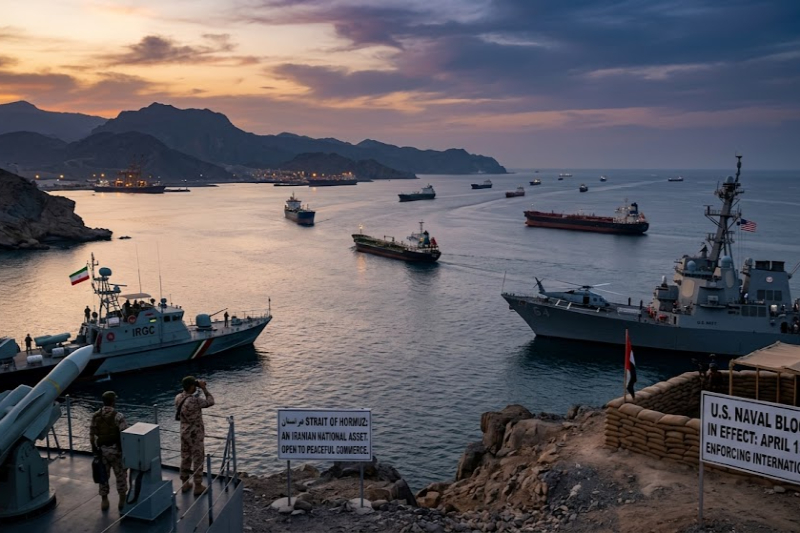
TEHRAN / WASHINGTON, April 17, 2026 – In a move that immediately impacted global energy markets, Iran has declared the Strait of Hormuz "completely open" for commercial shipping. The announcement, made by Iranian Foreign Minister Abbas Araghchi, comes during a temporary ceasefire period set to expire on April 22.
The strategic waterway, which handles approximately 20% of the world's daily oil and liquefied natural gas (LNG) supply, had been effectively restricted following recent regional escalations. Following the announcement, global oil prices saw a sharp decline, with Brent crude dropping below $90 per barrel after peaking near $100 earlier in the day.
Trump’s Response: "Open for Business, but Blockade Remains"
U.S. President Donald Trump responded to the reopening via Truth Social, initially thanking Iran for the move. However, he quickly clarified that the United States would not fully stand down its military pressure.
"The naval blockade will remain in full force and effect as it pertains to Iran, only, until such time as our transaction with Iran is 100% complete," Trump stated, adding that most negotiation points are already settled and the process should conclude quickly.
Global Markets and Regional Stability
Stock markets in Europe and the U.S. reacted positively to the news. The DAX in Frankfurt and the CAC in Paris both rose by over 2%, while the Dow Jones Industrial Average climbed 1.3% in early trading.
The reopening of the Strait coincides with a 10-day ceasefire between Israel and Lebanon. While celebrations broke out in Beirut, security analysts warn that the truce remains incredibly fragile. In southern Lebanon, Israeli troops continue to occupy a 10km (6.2 mile) "security zone," preventing many displaced residents from returning to their homes.
Why the Strait Matters
The Strait of Hormuz is a vital maritime chokepoint connecting the Gulf with the Arabian Sea. At its narrowest, it is only 33km wide. In 2025, an estimated 20 million barrels of oil passed through the corridor daily, representing nearly $600 billion in annual energy trade.
While the current opening provides a brief respite for global shipping and energy costs, the looming expiration of the Iran-U.S. ceasefire on April 22 leaves the international community on edge regarding the long-term stability of the route.