
Trump Declares War "Close to Over" as U.S. Navy Tightens Grip on Iranian Ports
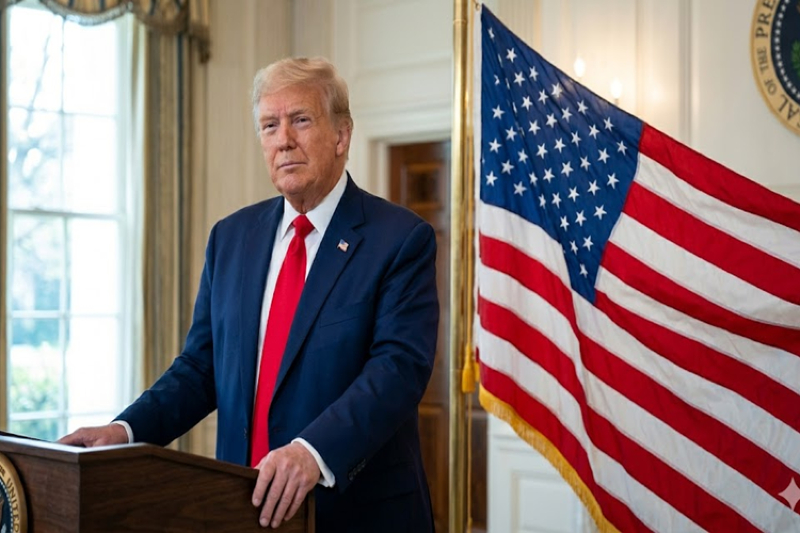
WASHINGTON, D.C. — President Donald Trump expressed high confidence on Wednesday that the seven-week conflict with Iran is nearing its end, even as the U.S. military fully implemented a maritime blockade designed to cripple the Islamic Republic’s economy.
Speaking to Fox News, the President stated that the war is "close to over" and predicted that Iran "wants to make a deal very badly."
Trump estimated it would take Tehran at least 20 years to recover from the devastation caused by U.S. and Israeli strikes, adding, "We are not finished... We'll see what happens."
The "Grand Bargain" vs. Economic Warfare
The administration’s dual-track strategy—offering diplomacy while applying maximum military pressure—was further detailed by Vice President JD Vance at a conservative conference in Georgia.
Vance signaled that the White House is not looking for a minor agreement but a "grand bargain" that would normalize relations if Iran agrees to "act like a normal country."
However, this diplomatic overture is unfolding against a backdrop of severe economic strangulation:
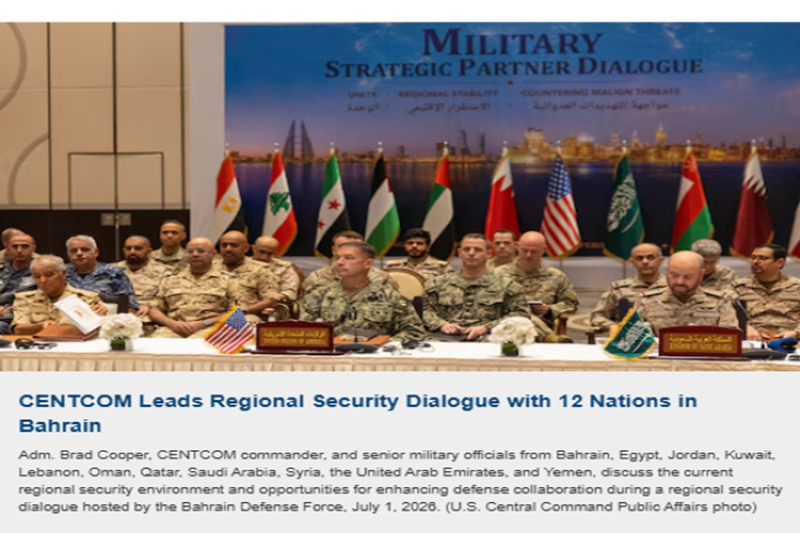
Naval Superiority: CENTCOM Commander Admiral Brad Cooper announced that U.S. forces have "completely halted" maritime trade into and out of Iran.
Tactical Success: The U.S. Navy reported that eight Iran-linked tankers have been forced to turn back since Monday. Central Command confirmed that no vessels have successfully breached the blockade since it began.
Pressure on China: U.S. Treasury Secretary Scott Bessent warned that the U.S. will block any Chinese tankers attempting to transport Iranian oil, calling Beijing an "unreliable global partner" for hoarding energy supplies.
Regional Instability and the "Fragile" Ceasefire
Despite the optimistic rhetoric from Washington, regional experts warn that the situation remains highly volatile. Abbas Aslani, a researcher at the Center for Middle Eastern Strategic Studies, described the current ceasefire as "fragile and shaking."
Tehran has criticized the U.S. blockade as a direct violation of the ceasefire terms. Simultaneously, the conflict in Lebanon continues to escalate, with Israeli forces reportedly encircling the southern town of Bint Jbeil. International calls for an end to the Lebanese hostilities have grown, with countries like Canada, the UK, and Australia issuing a joint plea for civilian protection.
Domestic and International Fallout
The war is causing significant ripples across the globe:
Energy Crisis: South Korea has launched a crackdown on hoarding as fuel supplies tighten. Canada has moved to temporarily suspend federal fuel taxes to offset skyrocketing gas prices.
Political Resistance: In the U.S. Senate, Democrats are planning a fresh vote on Wednesday to curb President Trump’s war powers, arguing the "war of choice" is unconstitutional and damaging to the global economy.
Religious Friction: Vice President Vance addressed criticism from Pope Leo XIV, arguing that the pontiff was wrong to suggest that political figures should never "wield the sword." Vance defended the administration’s actions by comparing them to the liberation of Europe during World War II.
Humanitarian Toll
While the political maneuvering continues, the human cost remains high. In Gaza, an Israeli strike on the Shati refugee camp reportedly killed five people on Tuesday. In Iran, social media has been flooded with tributes to rescue dogs that have saved hundreds of lives from the rubble of U.S. and Israeli strikes.
As Prime Minister Shehbaz Sharif heads to Riyadh and Ankara to coordinate a second round of talks in Islamabad, the coming 48 hours will likely determine if Trump’s "grand bargain" is a reality or if the region is headed for a deeper escalation.