
U.S. Maintains Naval Blockade as Iran Issues Missile Threats Amid Peace Efforts
WASHINGTON / TEHRAN — The global geopolitical landscape remains on a knife-edge this week as the United States military continues to enforce a strict naval blockade on Iranian ports, even as diplomatic channels struggle to find a path toward a lasting ceasefire.
U.S. Blockade Meets Iranian Defiance
Despite the anticipation of renewed peace talks, President Donald Trump has ordered the U.S. military to maintain its "Economic Fury" blockade, turning back all vessels traveling to or from Iranian territory. This military pressure is intended to force Tehran into concessions regarding its nuclear program.
However, Tehran has responded with significant military posturing. Mohsen Rezai, a senior adviser to Supreme Leader Ayatollah Ali Khamenei, warned that U.S. warships—including the USS Abraham Lincoln—are currently "under our missile launchers" in the Strait of Hormuz.
"We will sink them all. We will not allow a single one to escape us," Rezai stated in a video released by Iran International, signaling that the strategic waterway remains a high-risk flashpoint.
Energy Crisis Hits Australia and Europe
The ripple effects of the conflict are being felt globally as energy supplies tighten:
Australia: A major fire at the Viva Energy Geelong refinery near Melbourne has exacerbated an existing fuel crisis. The facility, which provides 10% of Australia’s fuel, is operating at reduced levels. Prime Minister Anthony Albanese has agreed to underwrite fuel purchases at inflated "spot market" prices to prevent a total shortage.
Europe: Energy buyers in Germany are considering incredibly costly alternatives, such as shipping Liquefied Natural Gas (LNG) from Canada’s Pacific coast through the Panama Canal to bypass the volatile Middle East routes.
Diplomatic Hopes: The "Pakistan Breakthrough"
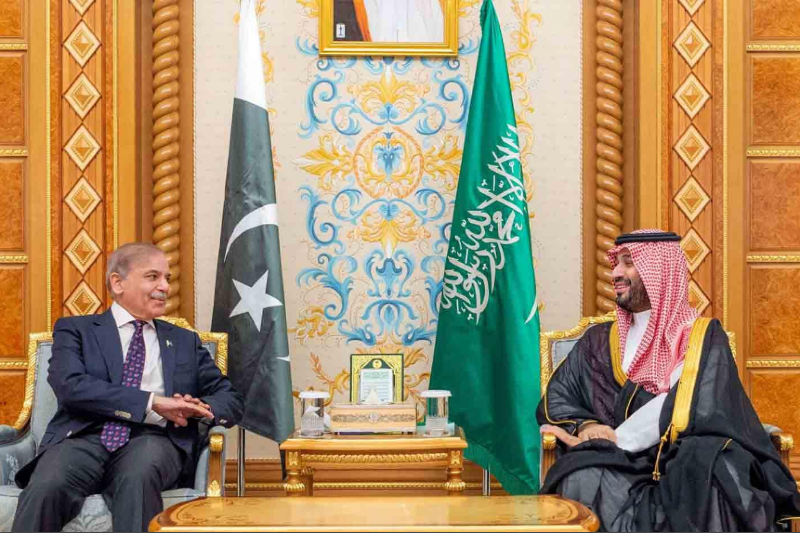
In a rare sign of potential progress, Pakistani officials are signaling a "major breakthrough" concerning Iran’s nuclear program.
High-Level Mediation: Pakistan’s Army Chief Asim Munir arrived in Tehran to deliver a direct message from Washington.
The Sticking Point: Negotiators are reportedly haggling over a freeze on uranium enrichment. While the U.S. seeks a 20-year freeze, Iran is pushing for five. Sources suggest a compromise "middle ground" is currently being discussed in Islamabad and Tehran.
Domestic Turmoil and Human Rights in Iran
While diplomats talk, the internal situation in Iran remains dire. Human rights organizations report that Bita Hemmati is set to become the first female protester executed in connection with the January 2026 uprisings. Alongside her husband and neighbors, Hemmati faces capital punishment as the regime continues its aggressive crackdown on dissent.
Political Friction in Washington
In the U.S. Senate, a growing divide is emerging within the Democratic Party. Over three dozen Democrats joined Senator Bernie Sanders in a failed bid to halt arms sales to Israel.
The Vote: The resolutions were defeated, but the support for Sanders' move has doubled since last year.
Quote: Sen. Mark Kelly (D-Ariz.) cited the "reckless decisions" of both Prime Minister Netanyahu and President Trump as the reason for his shift toward blocking military aid.
Summary of Current Conflict Status
| Sector | Current Status |
|---|---|
| Military | U.S. Blockade active; Iran claims U.S. ships are in missile range. |
| Diplomacy | Pakistan mediating; "major breakthrough" expected on nuclear enrichment. |
| Economy | U.S. stocks hit record highs; global energy prices surging. |
| Lebanon | Ceasefire between Israel and Hezbollah rumored to be "imminent." |
As the week progresses, the world watches to see if the mediation efforts in Islamabad can successfully de-escalate the naval standoff in the Persian Gulf before a miscalculation leads to further military engagement.