
Escalation in the Gulf: Iran Vows Retaliation After U.S. Seizes Cargo Ship in Strait of Hormuz
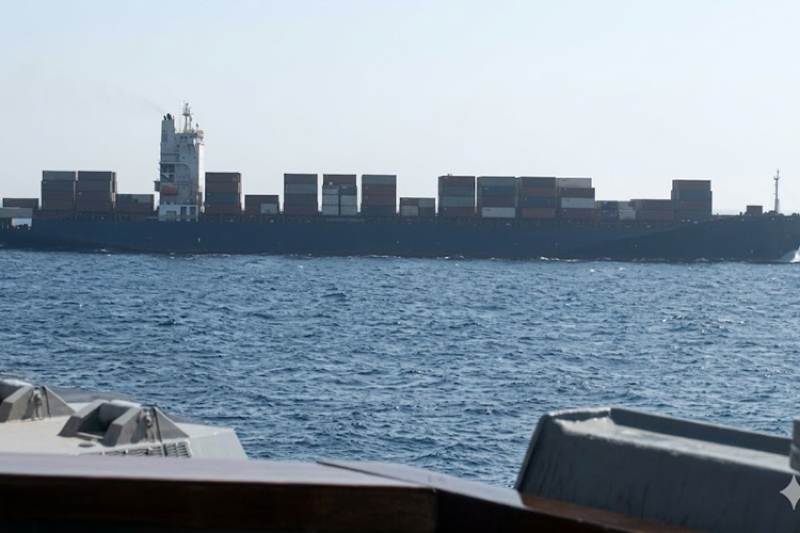
TEHRAN/WASHINGTON — Tensions in the Middle East reached a new boiling point on Monday, April 20, 2026, after the United States Navy seized an Iranian-flagged cargo ship in the Strait of Hormuz.
Tehran has condemned the move as an act of "armed piracy" and warned of an imminent military response, threatening to permanently weaponize the world’s most critical maritime chokepoint.
The incident occurred just as diplomatic hopes were being raised, with U.S. President Donald Trump announcing a delegation was headed to Islamabad, Pakistan, for potential peace talks. However, the seizure of the vessel—identified as the M/V Touska—has thrown any chance of negotiations into deep uncertainty.
The Interception: Fire in the Engine Room
According to U.S. Central Command (CENTCOM), the guided-missile destroyer USS Spruance tracked the 294-meter container ship for six hours in the North Arabian Sea. U.S. officials claim the Touska was attempting to violate a naval blockade on Iranian ports.
The Warnings: The U.S. military stated it issued multiple verbal warnings to the crew to halt their transit toward the port of Bandar Abbas.
The Attack: When the crew refused to stop, the USS Spruance fired its 5-inch MK 45 gun into the Touska’s engine room, disabling its propulsion.
The Seizure: U.S. Marines subsequently boarded the vessel and took it into custody. President Trump confirmed the seizure, stating the U.S. is currently "seeing what’s on board."
Tehran’s Stand: "Inalienable Right" to the Strait
Iran has reacted with fury, with the Supreme National Security Council convening an emergency session. Senior Iranian officials have dismissed the U.S. talk of negotiations as a "deception."
Threat of Legislation: Ebrahim Azizi, head of Iran's National Security and Foreign Policy Committee, told the BBC that Tehran is drafting a law to formalize their control over the Strait. "Iran will decide the right of passage," Azizi stated, calling the waterway an "asset to face the enemy."
Retaliation Vowed: The Iranian military warned that the seizure violated existing ceasefire understandings and promised that the U.S. "will soon face the consequences" of its actions.
Condition for Talks: Sources in Tehran indicate that Iran will refuse to participate in the Pakistan-brokered talks unless the U.S. immediately lifts the naval blockade on its shipping traffic.
A Widening Conflict: Impact on Peacekeepers and Shipping
The maritime standoff is part of a broader regional instability that continues to claim lives:
UNIFIL Fatality: In Lebanon, the UN peacekeeping force (UNIFIL) paid tribute to a French peacekeeper, Florian Montorio, killed by small arms fire. While France blames Hezbollah, the group has denied involvement.
Commercial Ships Hit: A French-owned vessel, the Everglades, was also reportedly subjected to "warning shots" by Iranian forces over the weekend as Tehran retaliates against the blockade.
The Global Stakes
The Strait of Hormuz is the transit point for nearly 20% of the world's oil and gas supply. The threat of its permanent closure has sent shockwaves through global markets, with energy prices expected to surge as the 72-hour window for a diplomatic breakthrough begins to close.