
Tehran Rejects Trump’s ‘False’ Claims as Tensions Flare Over Strait of Hormuz Blockade
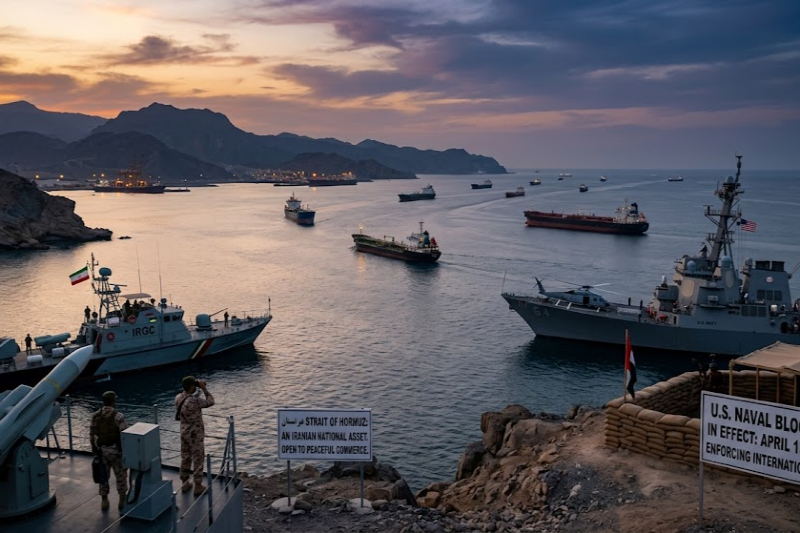
TEHRAN / WASHINGTON – A high-stakes diplomatic rift has opened between Washington and Tehran, with Iranian officials categorically denying U.S. President Donald Trump’s claims of an imminent nuclear deal. The verbal escalation comes as Iran warns it may re-close the critical Strait of Hormuz if the U.S. naval blockade of its ports is not lifted.
The Nuclear ‘Red Line’
In a series of optimistic social media posts and interviews, President Trump suggested that there were no remaining "sticking points" for a grand bargain with Iran. He specifically claimed that Tehran had agreed to transfer its entire stockpile of enriched uranium to the United States, tweeting that "the U.S.A. will get all Nuclear ‘Dust’."
However, Iranian officials quickly moved to dismantle this narrative:
"Sacred Soil": Foreign Ministry spokesperson Esmaeil Baghaei told the Tasnim news agency that enriched uranium is as "sacred as Iranian soil" and will not be moved under any circumstances.
Strategic Red Lines: Ebrahim Rezaei, spokesman for Iran’s National Security Committee, "categorically rejected" any agreement to zero out enrichment, calling the U.S. claims a total fabrication.
Framework vs. Deal: Analysts in Tehran suggest that any upcoming talks—potentially mediated by Pakistan—would focus only on a preliminary "framework" or outline, rather than a finalized transaction.
Strait of Hormuz: A War of Attrition
While the 10-day ceasefire in Lebanon appears to be holding, allowing tens of thousands of displaced civilians to return home, the maritime situation remains volatile:
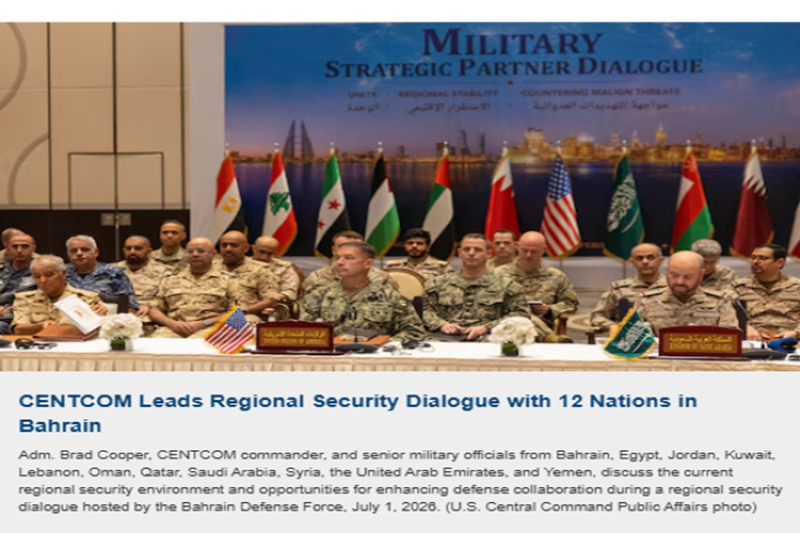
The Blockade: President Trump insisted that the U.S. naval blockade of Iranian ports will remain in "full force" until a deal is 100% complete. U.S. Central Command (CENTCOM) reported that 21 vessels have already complied with orders to turn back.
Iranian Ultimatum: Mohammad Bagher Ghalibaf, Speaker of Iran’s Parliament, warned that the Strait of Hormuz "will not remain open" if the illegal U.S. blockade continues. He identified seven specific claims by Trump as "false" and signaled that Tehran is drafting laws to impose "security fees" on commercial vessels.
Naval Tensions: Iran has stated it will explicitly block hostile military vessels from the U.S. and Israel from entering the waterway, while "friendly" commercial ships must coordinate directly with Iranian authorities.
Global Market Reaction
The conflicting signals have sent ripples through global finance:
Asian Markets Dip: Following a brief rally fueled by hopes of the Strait reopening, Asian markets opened lower on Saturday. Japan’s Nikkei fell 1.75%, while markets in Hong Kong, Taiwan, and South Korea also saw declines.
Wall Street Cautious: While U.S. markets showed optimism earlier in the week, analysts warn that "normalizing trade and confidence is likely to take months, not weeks."
Russian Oil Waiver: In an effort to stabilize skyrocketing energy prices caused by the Iran conflict, the U.S. Treasury has extended a waiver allowing countries to purchase sanctioned Russian oil until May 16. The move has drawn criticism from European leaders but aims to inject 100 million barrels into the global supply.
International Resolve
Despite President Trump’s dismissal of NATO and European allies as a "Paper Tiger," the UK and France are moving ahead with a multinational initiative to secure the Strait. The UK’s envoy to Washington, Christian Turner, announced a "wide-ranging military contribution" to the effort, signaling that nearly 50 countries remain committed to preventing any single nation from imposing tolls on the international shipping route.
As the Wednesday deadline for a potential ceasefire extension looms, the gap between Washington’s "upbeat" rhetoric and Tehran’s "red lines" suggests that a definitive resolution remains elusive.