
US Strikes Missile Sites in Southern Iran Amidst Stalled Qatar Peace Talks
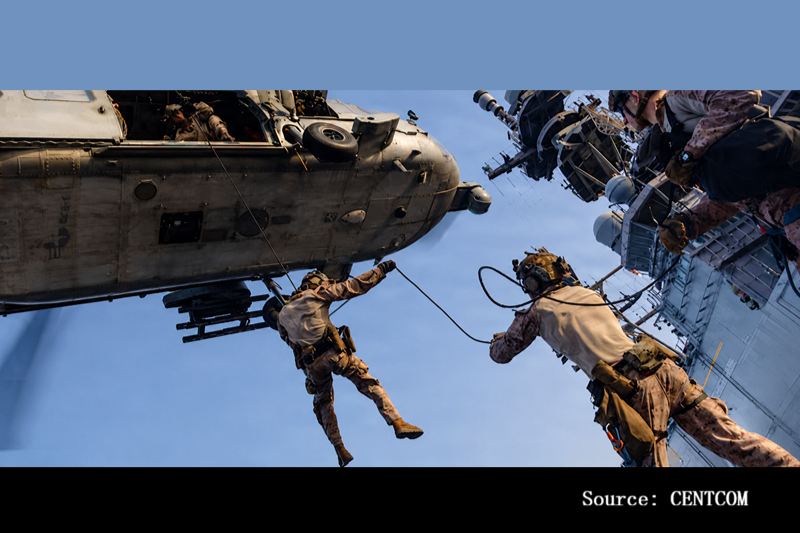
Washington, D.C— Tensions in the Middle East escalated on Tuesday as the United States military conducted targeted strikes against missile launch sites and mine-laying vessels in southern Iran.
The US Central Command described the action as a "self-defense" maneuver aimed at protecting American troops from ongoing regional threats.
Reports from Iranian state media confirmed explosions near the southern port city of Bandar Abbas, a strategic location overlooking the Strait of Hormuz. While Iran has yet to issue an official military response to these latest strikes, the development has cast uncertainty over delicate diplomatic negotiations currently underway in Qatar.
Diplomatic Hurdles in Doha
Top-level negotiators from Tehran have gathered in Qatar to discuss a potential framework to end the ongoing US-Iran conflict. Despite optimistic signals from Washington over the weekend, Iranian Foreign Ministry spokesperson Esmail Baqai tempered expectations, stating that while progress has been made on several fronts, a final agreement is not yet "imminent."
US Secretary of State Marco Rubio, speaking to reporters during an official visit to India, confirmed that discussions regarding specific language in the initial peace documents are ongoing.
"I think it’s a lot of talking back and forth... it’ll take a few days," Rubio remarked, reaffirming President Donald Trump’s stance that the administration will only accept a deal that is favorable to US interests.
Core Issues and Regional Impact
The reported memorandum of understanding under discussion includes a proposed 60-day ceasefire extension and the reopening of the vital Strait of Hormuz, which has been under Iranian control for much of the conflict. However, major sticking points remain, including the future of Iran’s nuclear program, the status of international sanctions, and the potential release of frozen funds.
President Trump has signaled that any definitive deal should include broader regional commitments, suggesting that Saudi Arabia, Pakistan, and Turkiye join the Abraham Accords to normalize relations with Israel.
Humanitarian Context
As diplomatic efforts continue, the broader impact of the conflict remains severe. Reports indicate that at least 3,185 people have been killed and over 9,600 wounded in Lebanon since March 2, following intensified Israeli military campaigns in the Bekaa Valley and southern regions.
Meanwhile, municipal officials in Tehran reported that roughly 97 percent of buildings damaged by earlier strikes in the capital have undergone repairs, as the nation grapples with the long-term infrastructure and economic costs of the war.
As of Tuesday morning, international markets are closely monitoring the Strait of Hormuz, a crucial artery for global oil transit, for any signs of de-escalation that could stabilize energy prices.
For more updates on this developing story, stay tuned to our ongoing live coverage.