
Trump Says US Doesn’t Need NATO Support Amid Iran War Tensions
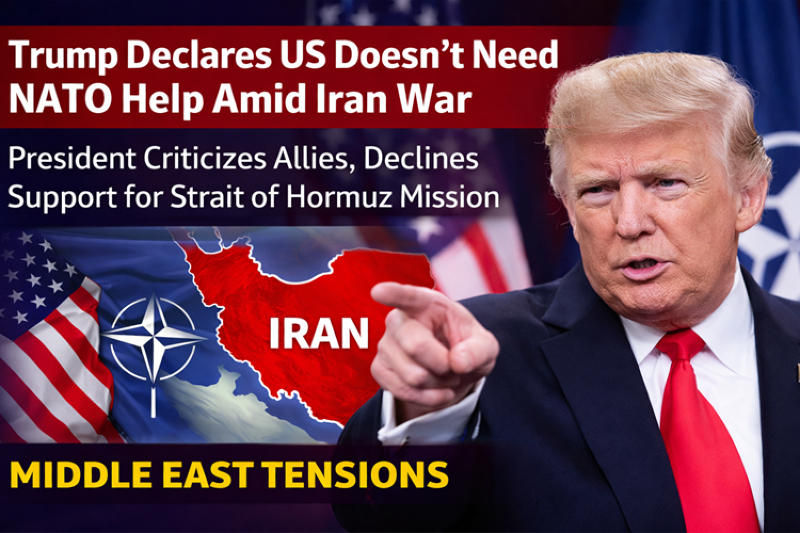
U.S. President Donald Trump has sharply criticised NATO allies, claiming the United States no longer needs their assistance in the ongoing Iran conflict.
His remarks come as several Western nations decline to join Washington’s proposed efforts to secure the strategically vital Strait of Hormuz.
In a strongly worded statement, Trump said many allies were unwilling to participate in the military campaign, adding that the U.S. has achieved enough strength to operate independently.
Rift with NATO Allies Widens
The latest comments highlight growing divisions between Washington and its traditional partners. Trump expressed frustration that NATO members refused to support operations aimed at protecting shipping routes in the Gulf, calling their stance a “mistake.”
He also singled out leaders including Emmanuel Macron and Keir Starmer, suggesting their lack of support could weaken collective security efforts.
Despite earlier appeals for assistance, Trump insisted the U.S. military is capable of handling the situation alone.
Strategic Importance of Strait of Hormuz
The dispute comes amid rising tensions in the Strait of Hormuz, a critical global oil transit route. Iran has reportedly disrupted maritime traffic, affecting energy supplies and increasing global economic concerns.
While some countries have shown willingness to assist in escort missions in the future, they have largely avoided direct involvement in the ongoing conflict.
Conflicting Views Within US Leadership
The situation has also exposed divisions within the U.S. administration. Earlier, senior counterterrorism official Joe Kent resigned, stating he could not support the war and arguing that Iran posed no immediate threat to the United States.
However, the White House rejected that assessment, maintaining that intelligence indicated a significant risk to national security.
Regional Tensions Continue to Rise
Meanwhile, the broader Middle East remains on edge, with ongoing military exchanges, reported strikes, and heightened security alerts across multiple countries. Civilians in affected areas have described increasing anxiety as the conflict continues.
Analysts warn that growing disagreements between the U.S. and its allies could complicate efforts to manage the crisis and prevent further escalation.