
Iran War: Hegseth Battles Lawmakers Over School Strike, Budget Surges, and "Quagmire" Claims
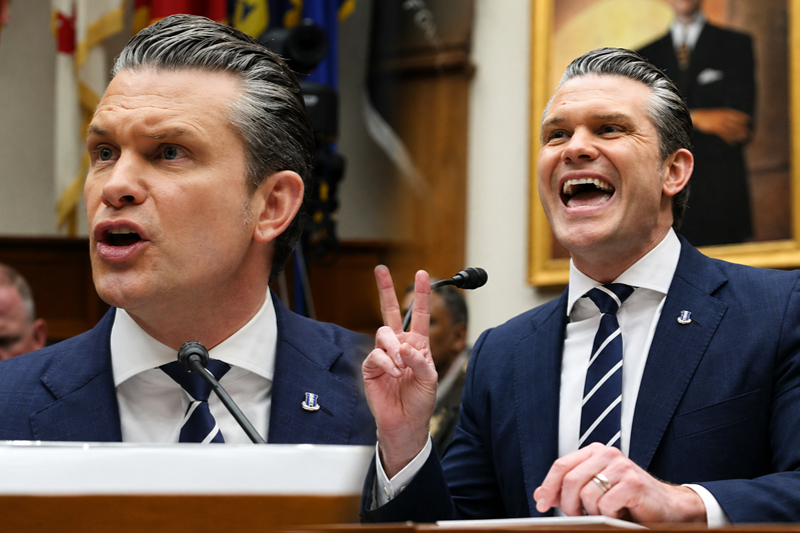
WASHINGTON — In a combative six-hour testimony on Wednesday, U.S. Defense Secretary Pete Hegseth faced his first intense grilling under oath since the outbreak of the Iran war, clashing with lawmakers over military strategy and a massive surge in defense spending.
Appearing before the House Armed Services Committee, Hegseth defended the administration's $1.5 trillion budget request—the largest since World War II—calling it a "historic down payment" necessary to counter existential threats.
War Costs and Casualties Revealed
Pentagon Chief Financial Officer Jules Hurst disclosed for the first time that the conflict has already cost American taxpayers $25 billion (£18.5bn).
While the military maintains the operation has been a success, the human toll was a central point of contention:
U.S. Losses: 13 American service members have been killed and 400 wounded.
Civilian Tragedy: Lawmakers demanded accountability for a February 28 airstrike on the Shajareh Tayyebeh school in Minab, which reportedly killed 168 people, including 110 children.
The Investigation: Hegseth acknowledged the strike was "unfortunate" but stated it remains under investigation, refusing to attach a specific "cost" or official admission of fault yet.
"Who Are You Cheering For?"
The hearing reached a boiling point when California Democrat John Garamendi accused Hegseth and President Trump of lying to the public, labeling the war a "quagmire" and a "strategic blunder."
Hegseth fired back with a sharp, personal rebuke, suggesting the opposition’s motives were partisan.
"Your hatred for President Trump blinds you to the truth of the success of this mission," Hegseth said. "The biggest adversary we face is the defeatist words of Democrats and some Republicans."
Republican members, such as Carlos Gimenez, stood by the Secretary, arguing that Iran’s decades-long rhetoric necessitated a preemptive strike to ensure they "never have a nuclear weapon."
Economic and Diplomatic Ripples
Beyond the battlefield, the hearing touched on the war's global shockwaves:
Oil & Inflation: Global oil prices have spiked, driving up the cost of food and consumer goods.
The Ceasefire: While a temporary ceasefire mediated by Pakistan is currently in place, Hegseth gave no indication of a permanent end to hostilities, citing Iran's "radical ambitions."
Leadership Shakeups: Democrats also questioned Hegseth on his recent dismissal of top military officials, including the Army Chief of Staff, which he defended as a necessary move to restore a "warrior ethos."
As the U.S. and Iran remain locked in a tense pause for peace talks, the $1.5 trillion budget request remains the next major battleground on Capitol Hill.
In the nearly six-hour hearing before the House Armed Services Committee on Wednesday, April 29, 2026, Defense Secretary Pete Hegseth faced intense and often combative questioning.
The specific lines of questioning included:
1. The Cost and Strategy of the Iran War
Financial Transparency: Lawmakers pressed for an exact accounting of the war's cost.
While Pentagon CFO Jules Hurst cited $25 billion spent so far, Representative Ro Khanna challenged this, arguing the figure was "totally off" and failed to account for the indirect economic impact on gas and food prices. Contradictory Justifications: Representative Adam Smith questioned why the administration launched the war on the basis of an "imminent nuclear threat" when Hegseth had previously claimed Iran’s nuclear capabilities were "obliterated" in 2025.
The "Quagmire" Debate: Representative John Garamendi accused the administration of being "stuck in a quagmire" and lying to the public about the war's progress, leading to a heated exchange where Hegseth accused him of being blinded by "hatred for President Trump."
2. Civilian Casualties and Accountability
The Minab School Strike: Representative Ro Khanna and others demanded a full explanation for the February 28 airstrike on the Shajareh Tayyebeh girls' school, which killed 168 people. Lawmakers questioned the use of outdated targeting data and the delay in acknowledging U.S. responsibility.
Rules of Engagement: Following Hegseth’s previous comments about having "no stupid rules of engagement," lawmakers asked if the military was complying with international law to prevent war crimes.
3. Military Management and "Warrior Ethos"
Dismissal of Senior Leaders: Hegseth was grilled on his decision to abruptly remove top military officials, including Army Chief of Staff Gen.
Randy George, Navy Adm. Lisa Franchetti, and Air Force Gen. Jim Slife. When asked for specifics, Hegseth repeatedly stated he was seeking to restore a "warrior ethos." Force Protection: Representatives Pat Ryan and Chris Deluzio questioned Hegseth about failures in troop protection following a deadly attack in Kuwait, suggesting the Pentagon had minimized the incident.
4. Definition of Victory
The End Game: Multiple Democrats pressed for a clear definition of what "victory" looks like and a specific timeline for ending hostilities, especially given the current ceasefire mediated by Pakistan.
Hegseth largely declined to provide a timeline, framing the mission as an ongoing necessity against a "radical" adversary.