
Trump to Review Aggressive New Military Options as Iran Standoff Intensifies

ASHINGTON — U.S. President Donald Trump is scheduled to meet with top military commanders on Thursday to review a fresh array of "short and powerful" military options designed to break the diplomatic deadlock with Tehran.
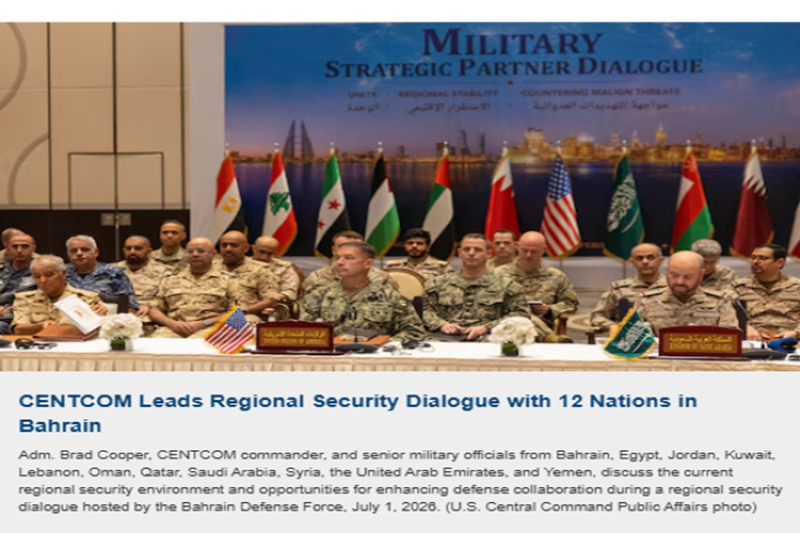
The briefing, led by CENTCOM chief Adm. Brad Cooper, comes as a fragile three-week ceasefire remains under heavy strain.
The Military Proposals
According to reports from Axios, the Pentagon has prepared several high-stakes strategies to increase pressure on the Iranian government:
Targeted Strikes: A series of rapid, high-intensity strikes aimed at forcing Iranian concessions during stalled peace talks.
Securing the Strait: A potential ground and naval operation to seize portions of the Strait of Hormuz, which Iran has currently blockaded.
Special Operations: A high-risk mission involving special forces to capture Iran's stockpile of highly enriched uranium, much of which is believed to be located at the Isfahan nuclear complex.
The Diplomatic and Economic Context
The conflict, which escalated on February 28, has severely disrupted global energy markets. The Strait of Hormuz is a vital chokepoint for approximately 20% of global oil and liquefied natural gas.
In response to the current blockade, Secretary of State Marco Rubio has approved the Maritime Freedom Construct (MFC). This joint State Department and Pentagon initiative seeks to build an international coalition to restore freedom of navigation and protect critical maritime infrastructure in the Persian Gulf.
Conflicting Perspectives
The administration’s stance remains focused on a "maximum pressure" campaign:
The White House View: President Trump reportedly views the current naval blockade on Iranian ports as his primary lever but remains open to using direct military force if Tehran refuses to yield on nuclear issues.
The Iranian Response: President Masoud Pezeshkian condemned the U.S. strategy on Thursday, labeling the blockade a violation of international law that is "doomed to fail" and will only further destabilize regional security.
Legal and Humanitarian Concerns
As the briefing proceeds, international law experts have raised alarms over previous threats by the President to target civilian infrastructure. Analysts note that under the 1949 Geneva Conventions, attacks on sites essential to the survival of the civilian population are strictly prohibited and could be classified as war crimes.
With Chairman of the Joint Chiefs of Staff General Dan Caine also expected to attend the briefing, the outcome of today's meeting will likely determine the next phase of U.S. involvement in the region.