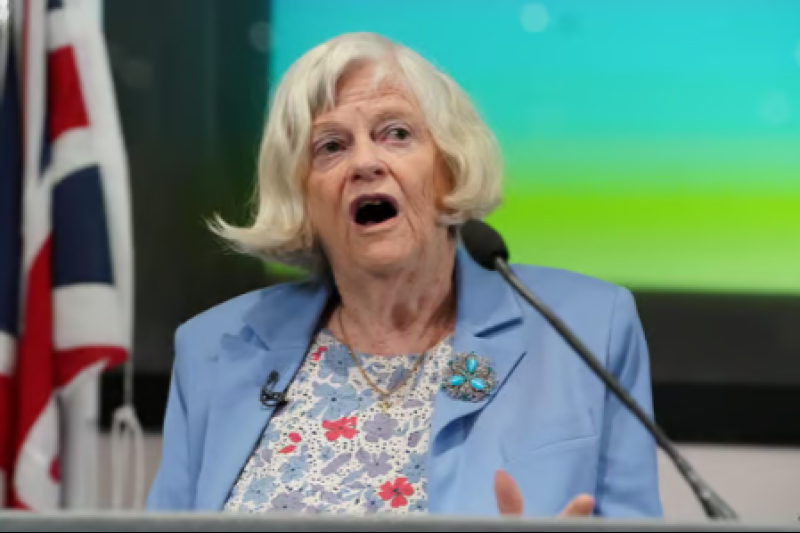

Colorado Governor Jared Polis Commutes Sentence of Election Conspiracy Theorist Tina Peters Following Pressure from Trump
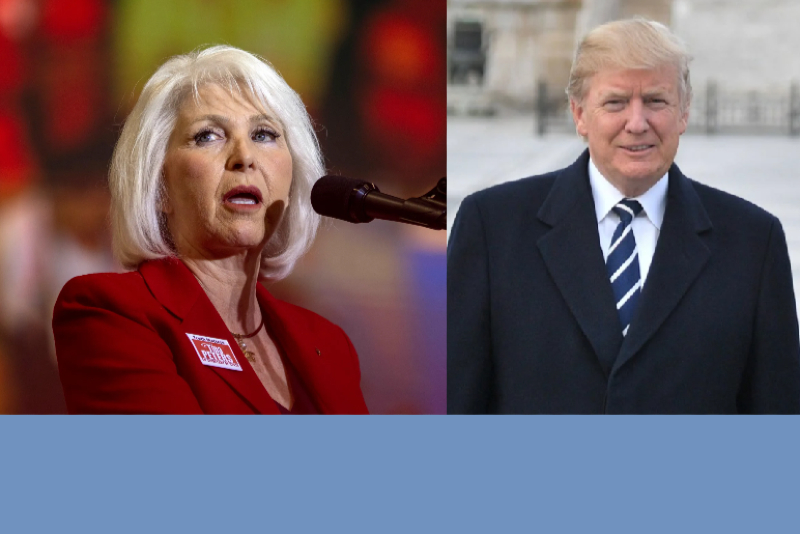
DENVER — Colorado Governor Jared Polis on Friday commuted the prison sentence of former county clerk and election conspiracy theorist Tina Peters.
The decision follows intense public and political pressure from President Donald Trump, marking a notable instance of the administration influencing state-level judicial outcomes for political allies.
Peters, 70, was serving a nine-year prison sentence following her 2024 conviction for illegally copying her county's election computer infrastructure. Under the commutation order, she is scheduled for release on June 1, 2026.
The decision comes shortly after a Colorado appeals court ordered a resentencing for Peters in April. While the court upheld her convictions, it ruled that the trial judge had improperly penalized her for her public statements regarding election fraud—a judicial assessment that Governor Polis openly supported.
In an official letter addressed to Peters, Governor Polis maintained that her actions were serious crimes deserving of incarceration. "However, this is an extremely unusual and lengthy sentence for a first-time offender who committed nonviolent crimes," Polis wrote. Around the time of the announcement, President Trump posted a brief message on his Truth Social platform: "FREE TINA!"
Fierce Backlash and Political Fallout
The commutation has triggered severe criticism from within the state's Democratic leadership. Colorado Secretary of State Jena Griswold condemned the move during a press conference, calling it "a dark day for democracy".
"Selling out our state’s justice system for Trump is an affront to the rule of law," Griswold stated. "A clear message is being sent to those willing to break the law and attack democracy for the president — they will likely not face consequences for their actions."
Because Peters was convicted of state rather than federal offenses, she fell outside the jurisdiction of the president's constitutional pardon powers. However, the White House aggressively championed her release. Trump frequently targeted both Governor Polis and the Republican District Attorney who prosecuted the case, Daniel Rubinstein, publicly labeling Polis and criticizing the state's handling of the "elderly" and "sick" former official.
The dispute escalated into broader federal retaliation against Colorado. Earlier this year, Trump barred Polis from a White House governors' meeting and warned that the state was paying a "big price" for keeping Peters behind bars. The administration subsequently restricted federal funding, withheld disaster assistance, and ordered the relocation of the U.S. Space Command to Alabama alongside the dismantling of the National Center for Atmospheric Research in Colorado.
Behind the Commutation
Peters’ legal team had repeatedly advocated for her release, citing a steep decline in her physical health. The former clerk, who underwent partial lung removal in 2017, suffered from severe respiratory issues during the winter prison months and experienced chronic pain linked to fibromyalgia.
Governor Polis, known for maintaining an independent political stance, had signaled a willingness to grant clemency as early as January, publicly describing the nine-year term as "unusual and harsh". Though he initially stated that Peters would need to show contrition to secure her freedom, the final commutation order was issued on Friday, bringing an abrupt end to one of the state's most polarizing post-2020 legal battles.