
Starmer Faces Growing Dissent as Labour MP Demands September Exit
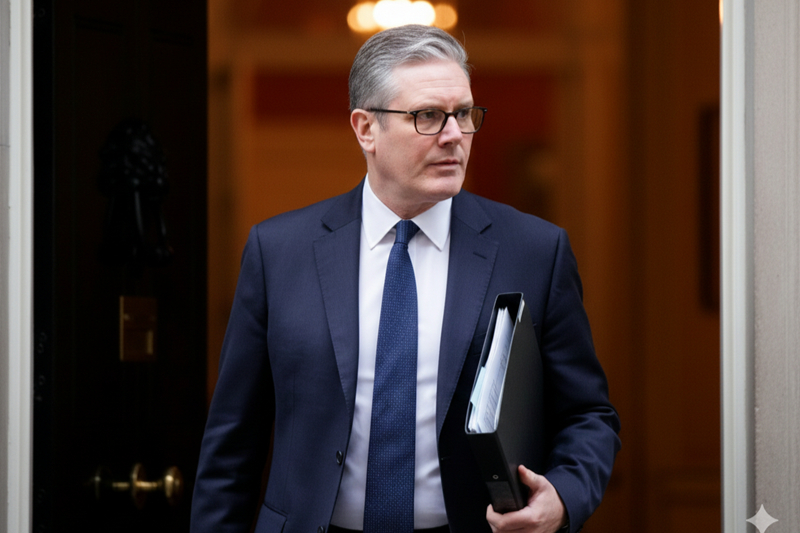
LONDON — May 11, 2026: British Prime Minister Keir Starmer’s grip on power remains precarious today as internal party pressure continues to mount despite the withdrawal of an immediate leadership challenge.
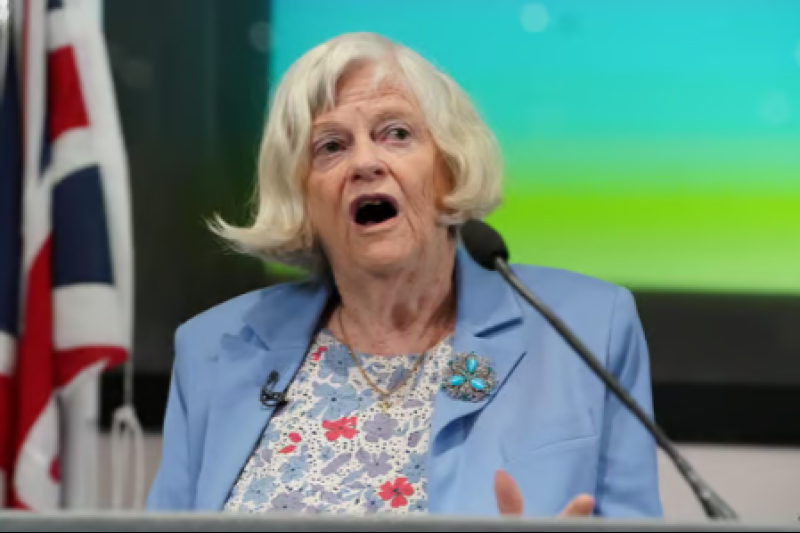
Catherine West, a prominent Labour backbencher, backed down from her threat to trigger a formal contest on Monday but issued a stark ultimatum: the Prime Minister must set a timetable to resign by September.
A Reprieve, Not a Resolution
The immediate crisis for Downing Street eased slightly after West, a former junior minister, reviewed Starmer’s high-stakes "make-or-break" speech delivered earlier today.
While West opted not to file the formal paperwork required to initiate a leadership bid—citing a desire for an "orderly transition"—she labeled Starmer’s attempts to reset his premiership as "too little, too late."
"The results from last Thursday show that the Prime Minister has failed to inspire hope," West said in a statement. "I am hereby giving notice to No. 10 that I am collecting names of Labour MPs to call on the Prime Minister to set a timetable for the election of a new leader in September."
Starmer Vows to "Prove Doubters Wrong"
Appearing without a jacket and tie in a deliberate show of "sleeves-rolled-up" determination, Starmer used his speech to acknowledge the bruising losses Labour suffered in recent local elections.
He admitted his government had "made mistakes" but insisted they got the "big political choices right," specifically regarding public service investment and foreign policy.
To appease his party's left and center-left wings, Starmer announced a major policy shift:
Nationalizing British Steel: Legislation will be introduced this Wednesday to bring British Steel into full public ownership, a move Starmer described as a matter of "sovereign capability."
European Re-engagement: He pledged to put Britain back at the "heart of Europe," focusing on a new youth experience scheme and stronger trade ties, though he stopped short of committing to a return to the Single Market.
The "Burnham Factor" and Cabinet Divisions
Despite the Prime Minister's defiant tone, the shadow of Andy Burnham, the popular Mayor of Greater Manchester, looms large over Westminster.
Deputy Prime Minister Angela Rayner intensified the internal friction by publicly stating that the party's leadership made a "mistake" by previously blocking Burnham from standing as an MP.
Rayner’s comments, delivered at a union conference in Bournemouth, underscored a deepening rift within the Cabinet.
While current Deputy Leader Lucy Powell dismissed the possibility of a Westminster return for Burnham in the near term, calling Reform UK the "real enemy," nearly 10% of Labour MPs have now publicly called for Starmer to step aside.
The Road to September
While Starmer has successfully avoided a flash-coup this week, political analysts suggest he has merely traded an immediate explosion for a slow-burning fuse.
With over 40 MPs now openly calling for his departure, the Prime Minister faces a grueling summer of discontent.
Conservative leader Kemi Badenoch characterized the Prime Minister as "floundering," while Green Party leader Zack Polanski argued that Starmer remains "incapable of taking on Reform."
As the Labour Party enters a period of intense soul-searching, the focus remains on whether Starmer’s promised "new direction" can materialize fast enough to satisfy a parliamentary party that is increasingly looking toward the exit.