
Is Iran Reviewing USA’s 14-Point Peace Proposal to End Gulf War?
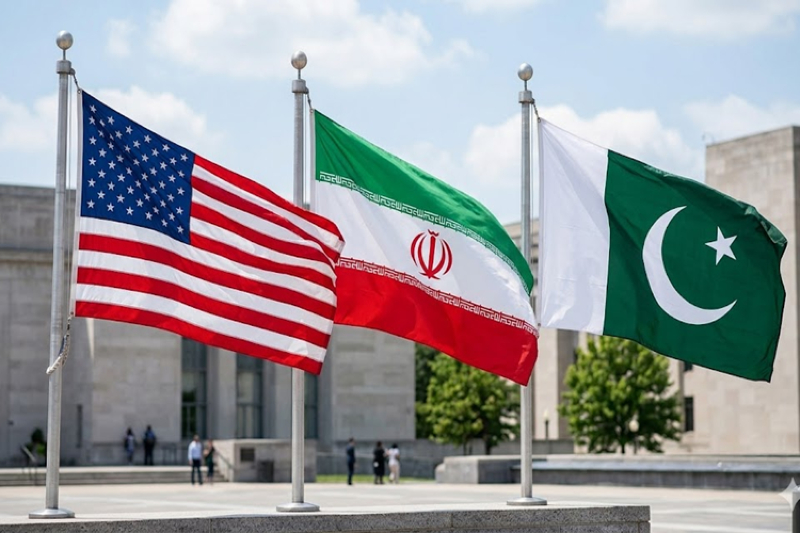
WASHINGTON – The eyes of the world are on Tehran as the Iranian government confirms it is formally reviewing a 14-point peace proposal submitted by the USA.
In a crucial shift from the rhetoric of the past few days, the focus has moved from President Trump’s "maximum pressure" threats to the negotiation table.
Iran’s Foreign Ministry spokesperson, Esmail Baghaei, confirmed that the USA proposal is being assessed by the Supreme National Security Council, with a formal response expected to be delivered via Pakistani mediators within 48 hours.
The 14-Point Peace Framework
Negotiated by U.S. envoys Steve Witkoff and Jared Kushner, the proposed one-page memorandum serves as a 30-day "bridge" to a permanent deal.
Sources familiar with the mediation efforts, primarily hosted in Pakistan, suggest the 14 points include the following critical provisions:
Immediate End to Hostilities: A formal declaration of the end of the war throughout the region, including Lebanon.
Uranium Enrichment Moratorium: A total suspension of all Iranian nuclear enrichment for a period of 12 to 15 years.
Stockpile Removal: The shipment of Iran’s existing highly enriched uranium stockpile out of the country (reportedly to the U.S. or a neutral third party).
Sanctions Relief: The immediate lifting of primary U.S. economic sanctions.
Release of Frozen Funds: The unfreezing of billions of dollars in Iranian assets currently held in international banks.
Strait of Hormuz Access: The restoration of free and safe transit through the Strait for all international shipping.
Lifting of Blockades: A gradual, simultaneous rollback of the U.S. naval blockade on Iranian ports and Iran's restrictions on the Strait.
Permanent Non-Nuclear Commitment: A binding pledge from Iran to never seek or develop nuclear weapons.
Enhanced Inspections: Agreement to snap inspections and a more intrusive monitoring regime by international regulators.
Regional De-escalation: Commitments to reduce cross-border tensions, specifically addressing the conflict between Israel and Hezbollah.
Trade Normalization: Opening paths for Iran to resume the legal export of oil and liquefied natural gas.
Military Safeguards: Provisions allowing the U.S. to reinstate the blockade or resume strikes immediately if the 30-day negotiation period fails.
Humanitarian Guarantees: Ensuring the safety and return of thousands of seafarers currently stranded in the Gulf.
Final Status Timeline: Establishing a strict 30-day window to finalize all technical details of a permanent treaty.
Tehran’s Response: Ambiguity vs. Defiance
Iranian Foreign Ministry spokesperson Esmail Baghaei confirmed that Tehran is "evaluating" the proposal and will communicate its views through Pakistani mediators within the next 48 hours.
However, the mood within Iran is far from uniform. Ebrahim Rezaei, spokesperson for the Iranian Parliament’s National Security Commission, dismissed the document as an "American wish-list," warning that the U.S. would not gain through a "failed war" what it could not achieve in direct negotiations.
Market and Regional Impact
The news of a potential breakthrough sent shockwaves through global markets, with Brent crude oil prices plunging nearly 11% to approximately $98 a barrel.
In Israel, Prime Minister Benjamin Netanyahu emphasized "full coordination" with the Trump administration, stating that the primary goal remains the "dismantling of Iran’s enrichment capabilities."
Despite the peace talk, the region remains on a knife-edge, as Israeli forces recently conducted strikes in Beirut, and Hezbollah continues to retaliate—reminders that until a signature is secured, the "Sword of Damocles" continues to hang over the Middle East.