
Starmer Appoints Senior Labour Veterans After Crushing Election Setback, Refuses to Quit Amid Growing Pressure
London, May 9, 2026 — British Prime Minister Keir Starmer has moved to strengthen his leadership team following major election setbacks for the Labour Party across England, Scotland and Wales, while firmly rejecting growing calls from within his own party to step down.
Gordon Brown and Harriet Harman Given Key Advisory Roles
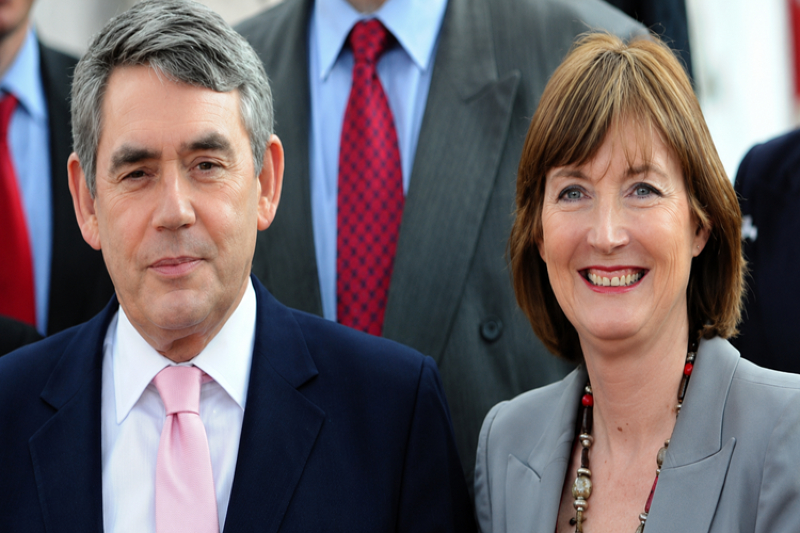
In the aftermath of heavy local and regional election losses, Starmer appointed former Prime Minister Gordon Brown as special envoy on global finance and senior Labour figure Harriet Harman as adviser on women and girls.
The appointments are widely seen as an attempt by Starmer to stabilise his leadership and restore confidence inside the Labour Party after disappointing election results triggered criticism from party members and senior MPs.
Starmer Admits Labour Made ‘Unnecessary Mistakes’
Speaking to broadcasters, Starmer admitted Labour had made “unnecessary mistakes” and failed to convince voters that their lives would improve under his government.
He acknowledged that while the party had focused on economic challenges and international instability, it had not communicated enough optimism or hope about the future.
Prime Minister Rejects Calls to Resign
Despite mounting pressure from some Labour lawmakers to resign or announce a timetable for departure, Starmer insisted he would not “walk away and plunge the country into chaos.” Instead, he pledged to rebuild public trust and outline a renewed political strategy in the coming days.
Starmer Defends Appointments as ‘Future-Looking Roles’
The prime minister defended the appointments of Brown and Harman, describing them as “future-looking roles.”
He said Brown’s experience in handling global financial crises would help Britain strengthen its economy and resilience at a time of international uncertainty, including economic pressures linked to tensions involving Iran and rising defence spending.
Starmer also said Harman would play a key role in tackling misogyny and expanding opportunities for women in politics and public life.
Labour Figures Question Return of Party Veterans
However, the appointments sparked mixed reactions within Labour ranks. Some MPs and party insiders questioned whether bringing back prominent figures from previous Labour governments signaled real political renewal.
Critics argued voters were seeking fresh ideas rather than a return to veteran politicians associated with earlier eras of Labour leadership.
Election Results Deliver Major Blow to Labour
The election results dealt a severe blow to Labour’s standing in several parts of the UK. In Wales, Plaid Cymru emerged as the largest party in the Senedd with 43 seats, while Labour suffered a dramatic collapse after decades of dominance.
In Scotland, the Scottish National Party retained power but fell short of an outright majority. Meanwhile in England, Reform UK made sweeping gains in local council elections, significantly damaging both Labour and Conservative support bases.
Political Pressure Mounts as Labour Faces Uncertain Future
Political analysts say the results reflect growing voter frustration over economic pressures, political direction and public confidence in traditional parties.
While Starmer has vowed to stay and fight, the coming weeks are expected to be critical for his leadership and Labour’s future direction.