
Starmer Defiant as Labour Reels from "Devastating" Election Losses
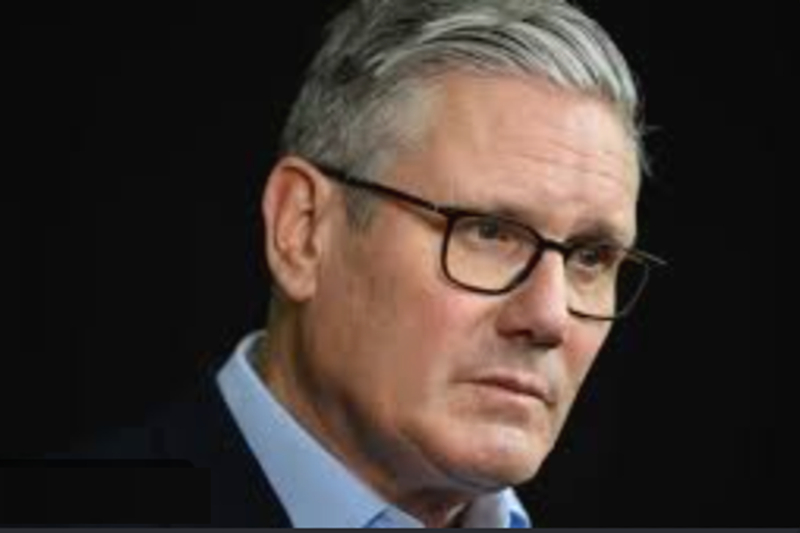
LONDON — British Prime Minister Sir Keir Starmer is facing the most significant challenge to his leadership since taking office, following a set of local and devolved election results that have redrawn the UK’s political map.
Despite a wave of losses across England, Scotland, and Wales, Starmer insisted on Saturday that he would not resign, arguing that a leadership contest would "plunge the country into chaos."
A "Historic Shift" in British Politics
The elections, held on Thursday, May 7, 2026, appear to have shattered the traditional two-party dominance of Labour and the Conservatives. According to the BBC’s Projected National Share (PNS), Reform UK has emerged as the largest political force in the country with 26% of the vote.
| Party | Vote Share (PNS) | Key Outcomes |
|---|---|---|
| Reform UK | 26% | Gained 1,400+ seats; took control of multiple English councils. |
| Green Party | 18% | Second place nationally; won the Hackney Mayoralty. |
| Labour | 17% | Lost 1,100+ seats; lost power in Wales after 27 years. |
| Conservatives | 17% | Lost hundreds of councillors; retained some London strongholds. |
Regional Breakdown: Labour’s Triple Blow
Wales: In a result described as "historic," Labour lost its position as the largest party in the Senedd (Welsh Parliament) for the first time in over a century. Plaid Cymru now leads the chamber, while Reform UK has become the official opposition. First Minister Eluned Morgan has announced her resignation.
Scotland: The SNP remains the largest party in Holyrood but fell short of a majority. Labour, which had hoped to reclaim its former Scottish heartlands, finished in a distant second place, tied in seats with Reform UK.
England: Labour’s "Red Wall"—the industrial heartlands in the North and Midlands—crumbled further as Reform UK seized control of councils in areas where Labour was once untouchable.
Pressure Within the Ranks
The scale of the defeat has sparked an immediate internal backlash. At least 22 Labour MPs have publicly called for Starmer to step down or set a deadline for his departure.
While Cabinet heavyweights like Chancellor Rachel Reeves and Health Secretary Wes Streeting have publicly backed the Prime Minister, the "soft left" of the party remains restless.
Many are looking toward Andy Burnham, the Mayor of Greater Manchester, as a potential successor should Starmer fail to "reset" his premiership in a planned address this coming Monday.
"We must respond to the message that voters have sent us," Starmer wrote in The Guardian. "That doesn’t mean tacking right or left—it means bringing together a broad political movement."
The Rise of the Outsiders
For Reform UK leader Nigel Farage, the results represent a "truly historic shift," proving his party can win in both former Labour and Conservative strongholds.
Meanwhile, the Green Party’s surge to 18% suggests a growing appetite for alternative platforms, particularly in urban centers and among younger voters.
With the next General Election looming on the horizon, Starmer now faces a grueling battle to convince both his party and the public that he can still deliver the "change" he promised in 2024.