
EU Ends Deadlock, Approves Sanctions Against West Bank Settlers
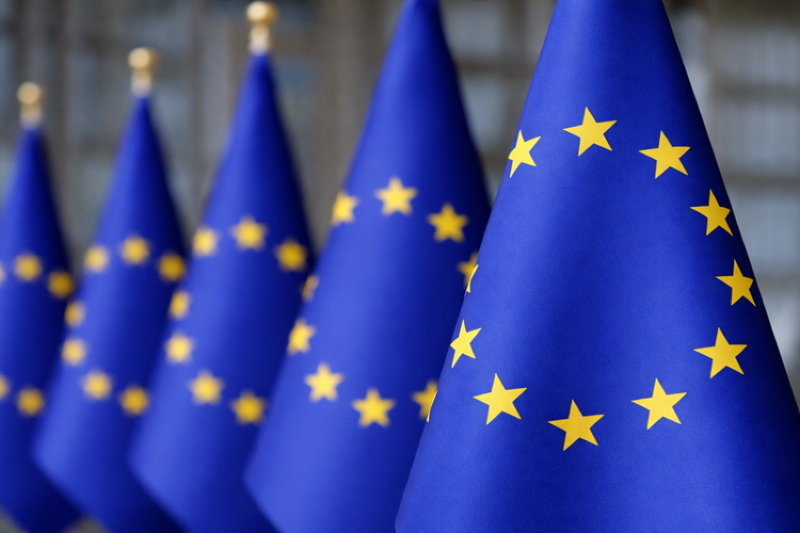
BRUSSELS — The European Union has finally broken a months-long political stalemate, with foreign ministers agreeing on Monday to impose new sanctions on Israeli settlers linked to a wave of violence in the occupied West Bank.
The move signals a shift in the bloc’s approach following a change in leadership in Hungary, which had previously served as the primary obstacle to the measures.
A New Political Landscape
For nearly a year, the proposed sanctions were stalled by former Hungarian Prime Minister Viktor Orbán, a staunch ally of the Israeli government.
However, the recent election of Péter Magyar has brought a more collaborative tone to Budapest. With Hungary’s veto lifted, the EU’s 27 member states reached the necessary consensus to move forward.
EU foreign policy chief Kaja Kallas emphasized that the decision was a matter of accountability.
Who is on the List?
While the official legal text is still being finalized, EU officials confirmed that the sanctions target seven individuals and organizations.
Daniella Weiss: Often described as the "godmother" of the settler movement, who is already under UK sanctions.
Key Organizations: Groups such as Amana, Regavim, Nachala, and HaShomer Yosh are expected to face asset freezes and travel bans for their roles in financing or supporting unauthorized outposts.
Hamas Representatives: In an effort to maintain political balance, the EU simultaneously approved new sanctions against several representatives of Hamas.
Rising Tensions and Regional Fallout
The decision comes amid a grim backdrop in the West Bank. UN data indicates that settler violence has surged to record levels since the outbreak of the Gaza war in October 2023.
The Israeli government reacted with sharp indignation. Foreign Minister Gideon Sa’ar dismissed the sanctions as "arbitrary and political," arguing that they punish citizens for their ideological beliefs.
The Trade Debate Lingers
Despite the breakthrough on individual sanctions, the EU remains deeply divided on broader economic measures. Nations like France and Sweden have pushed for a ban—or at least high tariffs—on products manufactured in West Bank settlements.
"We need to increase the pressure to halt settlement expansion," stated Swedish Foreign Minister Maria Malmer Stenergard.
As the technical work to implement the travel bans and asset freezes begins, the message from Brussels is clear: the era of diplomatic patience regarding West Bank instability appears to be reaching its limit.