
Ceasefire Under Strain: Iran Threatens to Destroy Ships in Strait of Hormuz as Israel Intensifies Lebanon Strikes
WASHINGTON D.C. / TEHRAN — The fragile two-week ceasefire between the United States and Iran is facing a critical collapse just hours after its implementation. Despite a global diplomatic effort to de-escalate Operation Epic Fury, a series of contradictory military actions and threats have left the Middle East on a knife-edge.
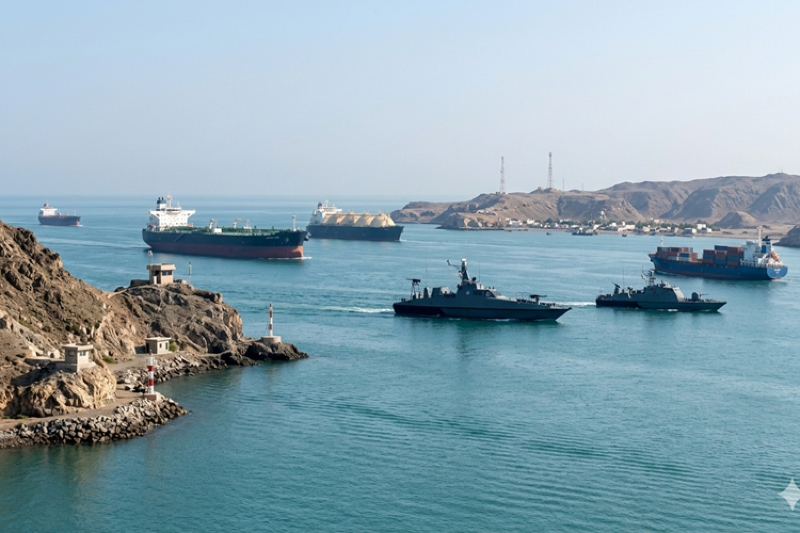
The Islamic Revolutionary Guard Corps (IRGC) has issued a chilling warning to international maritime traffic, declaring that the Strait of Hormuz remains closed and any vessel attempting to pass without explicit permission will be "targeted and destroyed."
The Maritime Ultimatum: Strait of Hormuz Lockdown
While the ceasefire terms announced by Pakistani mediators suggested the immediate reopening of the world’s most vital oil artery, the reality on the water is starkly different.
The IRGC Alert: Ship-brokers and maritime monitors confirmed that the IRGC Navy has been broadcasting warnings over international radio channels. The message to all vessels in the Persian Gulf and Oman Sea was clear: "Transiting the Strait of Hormuz remains closed... Any vessel trying to travel into the sea will be targeted and destroyed."
Tanker Standoff: Reports from the Islamic Republic News Agency (IRNA) indicate that while a few tankers passed with permission early Wednesday, the flow of oil has largely ground to a halt. Tehran has reportedly linked the closure to ongoing Israeli military operations in Lebanon.
The Lebanon Escalation: A 'Separated' Arena
The primary threat to the U.S.-Iran truce is the massive escalation of violence in Lebanon. Israel has launched its "biggest and most intense" wave of strikes since the start of its ground operation, hitting over 100 targets in just 10 minutes.
Massive Casualties: The Lebanese Health Ministry reports at least 89 deaths and over 700 injuries following strikes on residential areas in Beirut, Tyre, and the Bekaa Valley.
The Diplomatic Disconnect: Prime Minister Benjamin Netanyahu and President Donald Trump have both signaled that Lebanon is excluded from the two-week pause. This stands in direct opposition to the stance of Pakistani Prime Minister Shehbaz Sharif, who urged a ceasefire on "all fronts."
Targeting Leadership: Israeli Defense Minister Israel Katz issued a stern warning to Hezbollah Secretary-General Naim Qassem, stating his "personal turn" to be targeted is approaching.
The White House: Denying the '10-Point Plan'
In Washington, the Trump administration is pushing back against reports regarding the specifics of the peace deal.
'Fraudsters and Charlatans': President Trump took to Truth Social to dismiss various "agreements and lists" circulating in the media as fraudulent. He insisted that the true working framework remains confidential and under federal investigation.
Reparations Rejected: U.S. officials have signaled that Iran's demand for reconstruction reparations is a "non-starter." The only economic concession under discussion appears to be a potential toll-sharing agreement for the Strait of Hormuz, though both sides remain far apart on terms.
The Reporter24: Conflict Status Tracker
| Indicator | Current Status | Risk Level |
|---|---|---|
| Strait of Hormuz | Closed / Restricted | 🔴 Critical |
| Lebanon Offensive | Escalating (100+ Strikes) | 🔴 Critical |
| U.S.-Iran Combat | Paused (Ceasefire) | 🟡 Unstable |
| Global Oil Impact | Tanker Stoppage Reported | 🟠 High |
The Mediator’s Plea
Pakistani PM Shehbaz Sharif, the "silent architect" of the truce, expressed deep concern over the reports of violations.
He warned that the ongoing strikes "undermine the spirit of the peace process" and urged all parties to exercise maximum restraint to allow diplomacy to take the lead.
As Western leaders call for the ceasefire to become permanent, the world watches to see if President Trump will intervene to stop the strikes in Lebanon—or if the "Golden Age" of the Middle East will end before it truly begins.
The Lebanon Loophole: Trump and Netanyahu Align on Continued Strikes
Despite the high-stakes diplomatic breakthrough between Washington and Tehran, President Donald Trump has clarified a critical exclusion that threatens the regional stability of the truce. In an interview with PBS News Hour, Trump confirmed that Lebanon is not part of the two-week ceasefire deal, a stance that aligns directly with Israeli Prime Minister Benjamin Netanyahu’s "separation of arenas" strategy.
This confirmation effectively grants Israel a green light to continue its maximalist offensive against Hezbollah, even as U.S.-Iran combat operations pause. The discrepancy has created a dangerous diplomatic rift, as Pakistani mediators—who were instrumental in securing the "Midnight Miracle"—had previously signaled that the agreement was intended to be comprehensive, covering all regional fronts.