
Apple Bets on Innovation as John Ternus Replaces Tim Cook as CEO
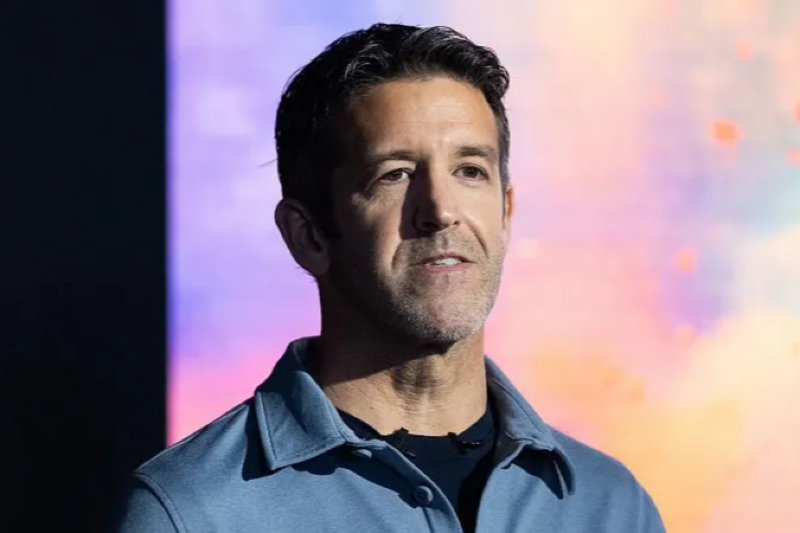
In a landmark transition for one of the world’s most influential technology companies, Apple has announced that John Ternus will take over as chief executive officer starting 1 September. The move marks the end of Tim Cook’s 15-year tenure as CEO, during which he transformed Apple into a $4 trillion powerhouse. Cook will remain with the company as executive chairman, ensuring continuity during a critical phase of leadership change.
The Rise of a Product-Focused Leader
John Ternus, currently serving as Apple’s senior vice president of hardware engineering, brings over 25 years of experience within the company. Known for his deep involvement in product development, Ternus has contributed to nearly every major Apple innovation in recent decades. From successive generations of the iPhone and iPad to the introduction of AirPods and the Apple Watch, his fingerprints are across Apple’s most iconic devices.
Importantly, Ternus also played a central role in Apple’s transition to its own silicon chips for Mac computers—a strategic move that strengthened the company’s control over its ecosystem and performance capabilities. His engineering-first mindset signals a potential shift in Apple’s future direction.
Tim Cook’s Legacy: Growth and Stability
When Tim Cook succeeded Steve Jobs in 2011, he faced the daunting task of leading a company synonymous with groundbreaking innovation. While Cook was not a product visionary like Jobs, he excelled as an operational strategist. Under his leadership, Apple’s annual profits soared, and the company became the first publicly traded firm to reach a $1 trillion valuation in 2018—quadrupling that figure in the years since.
Cook described his tenure as “the greatest privilege” of his life and expressed strong confidence in Ternus, calling him a leader with “the mind of an engineer and the heart to lead with integrity.”
A Strategic Pivot Toward Innovation
Industry analysts see Ternus’s appointment as a deliberate move to reinvigorate Apple’s innovation pipeline. Despite its financial success, the company has faced criticism for relying heavily on incremental upgrades to existing products, particularly the iPhone. The lack of a breakthrough product comparable to the iPhone has raised questions about Apple’s long-term growth engine.
Experts believe Ternus’s hardware expertise could push Apple toward bold new categories, including foldable devices and advanced wearables such as smart glasses. His leadership may also accelerate Apple’s integration of artificial intelligence, an area where competitors like Google, Microsoft, and Meta Platforms have made aggressive investments.
Challenges Ahead in the AI Era
Apple’s cautious approach to AI has drawn attention, especially as it recently incorporated external technologies like those from OpenAI into its ecosystem. As the tech industry increasingly pivots toward AI-driven experiences, Ternus will need to balance Apple’s hallmark precision with the speed and experimentation required in this new landscape.
Looking Forward
This leadership transition represents more than a change in title—it reflects a broader strategic recalibration. With Ternus at the helm, Apple appears poised to return to its roots of bold innovation while maintaining the operational excellence established under Cook.