
White House Standoff: Trump Convening Emergency Situation Room Meeting as Iran Nuclear Talks Edge Closer to Collapse
WASHINGTON — U.S. President Donald Trump has issued a stark warning to Tehran, declaring that "the clock is ticking" on a revised nuclear agreement, as the White House prepares for a pivotal national security meeting.
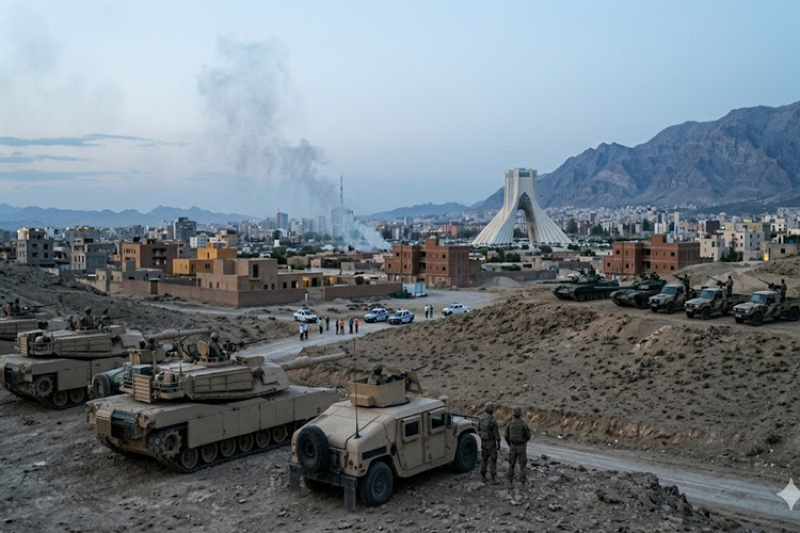
The President is scheduled to convene a top-level Situation Room meeting with senior military and intelligence advisers on Tuesday to review potential military options.
The administration has indicated that an armed response is being actively considered if Iran fails to cooperate with American demands regarding its nuclear ambitions.
The diplomatic standoff intensified after the White House rejected Tehran’s latest proposal, signaling that an existing fragile ceasefire is now on "life support." Trump has repeatedly underscored the urgency of the situation, stating on social media that Iranian leadership must act immediately "or there won’t be anything left of them."
Gulf Allies Face Escalating Strains
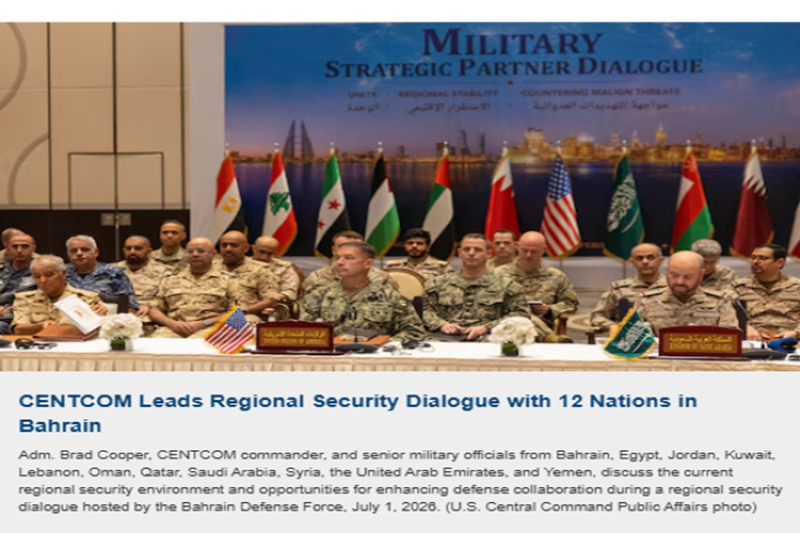
The geopolitical ripples of the standoff are already impacting the broader Middle East, threatening key diplomatic frameworks:
Strategic Infrastructure Targeted: The United Arab Emirates heavily condemned a weekend drone strike on its Barakah nuclear power plant, a crucial clean-energy facility. While UAE officials refrained from naming Iran directly, regional intelligence points to Tehran, which has stepped up missile and drone strikes against neighboring energy infrastructure.
Abraham Accords Under Pressure: The U.S.-brokered alignment designed to isolate Iran is facing domestic friction. Relations between Israel and the UAE soured following a diplomatic dispute.
Prime Minister Benjamin Netanyahu's office claimed a "secret breakthrough meeting" occurred with UAE President Sheikh Mohammed bin Zayed Al Nahyan, which Abu Dhabi swiftly and publicly denied, calling the claims "baseless."
Tehran Admits Internal Strain But Refuses to Back Down
In a rare televised admission during a Government Information Council meeting, Iranian President Masoud Pezeshkian acknowledged that his country has "suffered harm" from ongoing U.S. military strikes. He urged government officials to confront reality rather than misinform the public with false narratives of prosperity.
"Anyone in a position of leadership must speak honestly and transparently to their society," Pezeshkian remarked. "The truth is that both we and others face challenges."
Despite acknowledging these vulnerabilities, Pezeshkian maintained a defiant tone, asserting that Iran would not compromise its sovereignty or yield entirely to Western pressure. Behind the scenes, Iranian state media reported that Tehran has dispatched a new 14-point framework through Pakistani mediators. However, early assessments indicate the plan focuses on localized confidence-building measures and completely omits the nuclear concessions demanded by Washington.
Trump Blasts Media Coverage While Military Pressure Mounts
The domestic debate over the potential conflict has also grown highly polarized. President Trump lashed out at major news networks on Truth Social, accusing mainstream media outlets of spinning developments in Tehran's favor. In a characteristically blunt post, Trump claimed that even if the entire Iranian military completely surrendered, major publications would still frame it as a "masterful victory" for Iran.
Meanwhile, defense analysts and retired military leaders are advocating for decisive action. Retired General Jack Keane publicly called for the U.S. to resume "full-throttle" combat operations to permanently neutralize Iran's ballistic missile and nuclear infrastructure. Conversely, other security experts argue that over a month of targeted U.S. airstrikes has already left Iran's primary military assets severely degraded and lagging behind the strategic power curve.
Spreading Conflict in Lebanon
As Washington deliberates on direct action against Iran, the regional proxy war continues to escalate. The Israel Defense Forces (IDF) carried out a wave of roughly 30 airstrikes in Lebanon over a 24-hour window.
The military operation successfully eliminated Wael Mahmoud Abd al-Halim, a senior commander for Palestinian Islamic Jihad in the Beqaa Valley, who was accused of integrating militant operations alongside Hezbollah.
Following allegations of ceasefire violations, the IDF has ordered Lebanese civilians in target zones to immediately evacuate their homes and move at least 1,000 meters away from suspected weapon storage facilities.