
Washington Halts Naval Escorts as Iran Peace Talks Reach Critical Turning Point
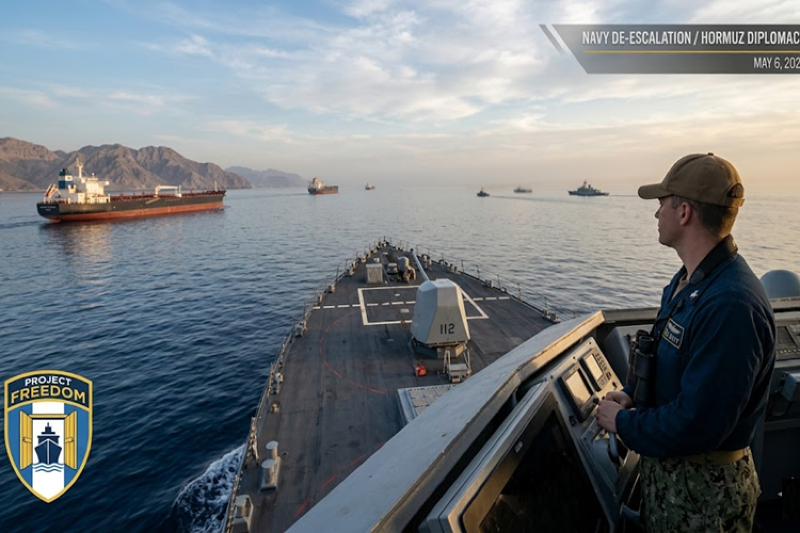
WASHINGTON — In a move designed to preserve a fragile diplomatic opening, the United States has suspended its newly launched mission to forcibly reopen the Strait of Hormuz.
The decision signals a strategic shift from military confrontation toward a negotiated settlement that could finally end the months-long maritime standoff with Tehran.
The suspension of the escort mission, which had seen U.S. warships protecting commercial vessels against Iranian interference, comes as mediators report "monumental progress" toward a final peace agreement.
While the move lowers the immediate risk of a naval skirmish in the world’s most vital energy corridor, the underlying tensions remain high.
The Diplomatic Trade-Off: Security for Stability
The consequence of pausing these naval operations is twofold: it removes a primary "trigger" for direct military engagement while placing the burden of regional stability squarely on the shoulders of negotiators in Islamabad.
De-escalating the Strait: By withdrawing active escort units, the U.S. is testing Tehran’s willingness to maintain the current ceasefire. The move aims to prevent accidental escalations that could scuttle the "Complete and Final Agreement" currently being drafted.
The Blockade Persistence: Despite the halt in escorts, the U.S. naval blockade of Iranian ports remains active. This "pressure-cooker" strategy ensures that while the guns may be quiet, the economic leverage over Tehran remains absolute.
The "Pakistan Path" to a Final Accord
International leaders are closely watching the mediation efforts led by Pakistan. The pause in military movement is widely viewed as a direct response to a request from regional powers who warned that continued U.S. naval incursions into contested waters would empower hardliners in Tehran to walk away from the table.
Sources close to the negotiations suggest the draft agreement focuses on a "New Regional Architecture," which would exchange the lifting of the U.S. blockade for a permanent, internationally monitored guarantee of free navigation through the Strait of Hormuz.
Consequences for Global Markets
The immediate fallout of the U.S. decision has been felt in global energy markets. Oil futures, which spiked during the brief launch of the escort mission, showed signs of stabilization as traders gambled on a diplomatic breakthrough.
However, the maritime industry remains cautious; without a signed treaty, insurance premiums for tankers in the Gulf remain at historic highs.
For global leaders, the coming days represent the most significant diplomatic window since the conflict began in early 2026.
The shift from "enforced transit" to "negotiated peace" marks a pivotal moment where the path to global energy security now leads through a conference room rather than a carrier strike group.