
US Prefers Diplomacy With Iran Over Threat, Says Rubio in Exclusive Interview With Al Jazeera
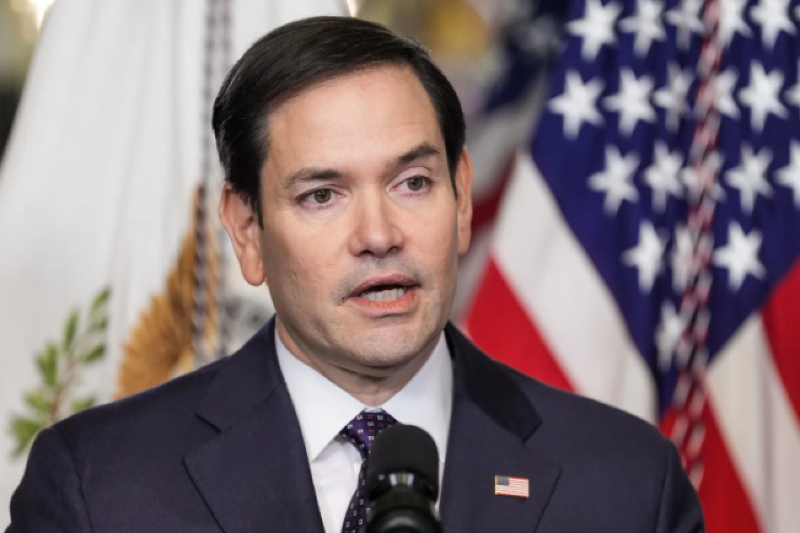
In an exclusive interview with Al Jazeera, U.S. Secretary of State Marco Rubio emphasized that Washington still favours diplomatic engagement with Iran, despite escalating regional tensions and continuing military operations.
Rubio said President Donald Trump prefers negotiation over outright force and is seeking indirect talks with Tehran through intermediaries to ease the conflict.
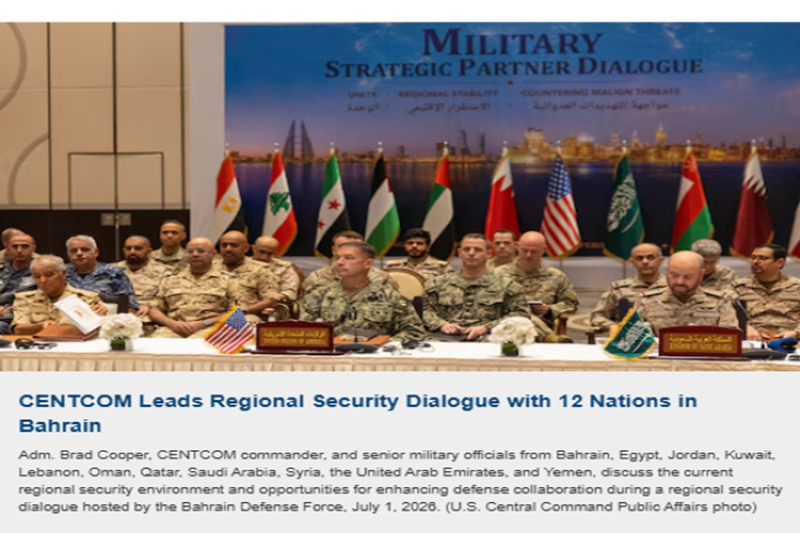
Rubio’s remarks come as Trump issued an ultimatum to Iran to reopen the strategically vital Strait of Hormuz or face severe U.S. retaliation, including possible strikes on Tehran’s energy infrastructure.
Hard Line on Missiles and Nuclear Ambitions
In the interview, Rubio criticised Iran’s missile programme, stating that the country’s short‑range missiles are designed to threaten neighbouring Gulf states rather than serve defensive purposes.
He said Tehran must halt production of these weapons, which have been used in recent weeks against regional targets.
Although Iran has not publicly acknowledged that it is pursuing nuclear weapons, Rubio insisted that “Iran will never acquire nuclear weapons” under current U.S. policy and that the U.S. will not allow Tehran to develop such capabilities.
These comments reflect broader U.S. concerns over ballistic missile proliferation and Tehran’s regional influence.
Strait of Hormuz and Regional Stability
Rubio also stressed the importance of the Strait of Hormuz for global energy markets.
He warned that any attempt by Iran to close the waterway permanently would trigger strong international consequences.
The U.S. aims to ensure freedom of navigation either with Iran’s consent or through a multinational effort if necessary.
Diplomatic Channels Still Active
Despite the harsh rhetoric, Rubio highlighted that diplomatic channels remain open, with ongoing indirect communications intended to de‑escalate the conflict.
He reiterated that diplomacy is preferred to prolonging hostilities and that the United States is exploring all options to secure a peaceful outcome.
Market and Global Impact
Financial markets reacted to the mixed signals from Washington and Tehran. Oil prices climbed amid supply concerns, while U.S. stock indices showed some recovery after recent declines tied to the conflict.
Economists warn that prolonged uncertainty could continue to disturb global markets.
Rubio’s interview underlines the complex dynamics in U.S. policy—balancing pressure with diplomacy as the conflict with Iran unfolds on multiple fronts.