
US House Republicans Reject Senate Deal, Affecting Passport Processing, Immigration, and Disaster Relief
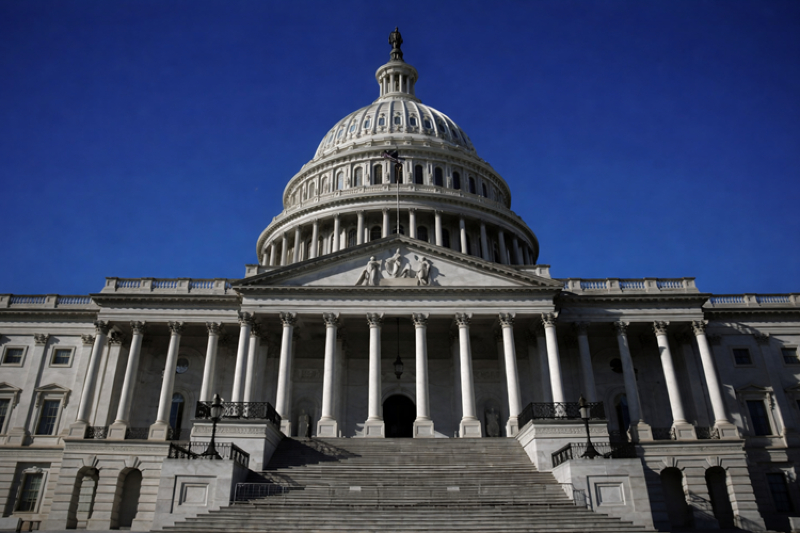
The partial shutdown of the US government is set to continue after the House of Representatives, led by Republicans, dismissed a bipartisan Senate agreement aimed at restoring funding to the Department of Homeland Security (DHS).
The decision has intensified political tensions in Washington and prolonged disruptions, particularly affecting air travel across the country.
House Speaker Mike Johnson strongly criticized the Senate proposal, calling it inadequate. The Senate-backed bill had sought to reopen most DHS operations but deliberately excluded funding for key immigration enforcement agencies to gain Democratic support.
However, House Republicans opposed this approach, insisting that any funding package must include resources for immigration enforcement.
Instead, the House narrowly passed its own measure in a 213–203 vote, proposing to fund DHS at existing levels—including agencies like Immigration and Customs Enforcement (ICE)—for a temporary period of 60 days.
The bill now returns to the Senate, where it faces stiff opposition. Senate Majority Leader Chuck Schumer has already dismissed it as unlikely to pass.
The deadlock has had real-world consequences, especially at airports. Thousands of Transportation Security Administration (TSA) officers have gone unpaid for over a month, leading to staff shortages, long security lines, and growing frustration among travelers.
Reports suggest that many officers have stopped reporting to work or have resigned due to financial strain, leaving airport operations severely understaffed.
In response to the crisis, President Donald Trump has ordered emergency payments for TSA workers. While the administration says payments could begin within days, the move may face legal challenges, as federal spending typically requires congressional approval.
The standoff also reflects deeper disagreements over immigration policy. Democrats have pushed for reforms tied to DHS funding, including stricter oversight of ICE operations, limits on enforcement practices, and protections against racial profiling. Republicans, however, argue that such conditions would weaken border enforcement and national security.
With Congress now heading into a two-week recess, prospects for a quick resolution appear slim. Meanwhile, the shutdown continues to disrupt essential services, highlighting the broader impact of political gridlock on everyday life in the United States.
What the rejection means (implementation)
By rejecting the Senate deal, House Republicans are:
- Blocking a compromise bill that would reopen the Department of Homeland Security (DHS) without full immigration funding
- Pushing their own version of funding that includes money for immigration enforcement agencies like ICE
- Extending the shutdown, using it as leverage to force their demands into the final bill
In simple terms: they are saying “no funding deal unless it includes stricter immigration enforcement.”
Is it pro-Trump or anti-Trump?
👉 Mostly pro-Trump:
- Mike Johnson and House Republicans are aligned with Trump’s hardline stance on immigration
- Their bill supports continued funding for enforcement agencies, which matches Trump’s policies
- Trump himself has emphasized not weakening border control, which aligns with their rejection
👉 But not perfectly aligned:
- Trump had to step in with an executive order to pay TSA workers, suggesting frustration with the ongoing gridlock
- Prolonging the shutdown creates economic and public pressure, which can politically affect his administration
Bottom line
- Politically: The rejection supports Trump’s immigration agenda
Practically: It complicates governance and puts pressure on his administration to manage the fallout
Who Gains and Who Suffers from the US Shutdown Standoff?
The rejection of the Senate deal by House Republicans—aligned largely with the policies of Donald Trump—has mixed consequences. However, in the short term, most groups are affected negatively, while only a few gain politically or strategically.
Who Are Affected the Most?
1. US Citizens
Ordinary Americans are already facing the impact:- Long airport queues due to fewer TSA staff
- Delays in public services linked to the Department of Homeland Security (DHS)
- Economic inconvenience, especially for business travelers
2. Foreign Visitors & Tourists
- Increased waiting time at airports and immigration checkpoints
- Travel uncertainty, missed connections, and poor travel experience
- Negative perception of US travel reliability
3. International Students
- Possible visa processing delays
- Slower immigration services and documentation issues
- Anxiety over travel, re-entry, or status-related procedures
👉 Overall, these three groups are directly affected by operational disruptions and uncertainty
Who Might Benefit?
1. Trump Administration & Republican Base (Politically)
- The rejection reinforces a strong stance on immigration control
- Appeals to supporters who prioritize border security
- Helps figures like Mike Johnson show commitment to strict enforcement policies
2. Immigration Enforcement Agencies (If Bill Passes Later)
- Agencies like ICE could secure continued or increased funding under the House proposal
Strengthens enforcement power in the long run
Final Assessment
- Short-term reality:
Almost everyone—citizens, tourists, and students—is negatively affected due to disruption and uncertainty - Long-term political angle:
The rejection benefits pro-enforcement policymakers by keeping pressure on negotiations and pushing their agenda In simple terms:
👉 People suffer now, politicians negotiate for future gains.When will it come into effect?
Right now, there is no fixed date when the situation (or the rejection outcome) will take effect fully—because nothing has been finalized yet.
Here’s the clear timeline based on the latest developments:
1. The House decision (already happened)
- The rejection of the Senate deal took place on March 27–28, 2026
- At the same time, the House passed its own temporary funding bill
2. What the House bill proposes
- It would fund the Department of Homeland Security (DHS) for about 60 days—until May 22, 2026
- BUT 👉 this bill is not in effect yet
3. Why it is not implemented yet
- The bill must be approved by the Senate
- The Senate has already signaled it will likely reject it (“dead on arrival”)
- Congress is also going on a two-week recess, delaying action
4. What is happening now (real situation)
- The shutdown that began on February 14, 2026 is still ongoing
- So:
- Airport disruptions continue
- Workers are still affected
- No final law has been implemented
5. Only partial immediate effect
- One exception:
- Some TSA workers may start receiving pay from March 30, 2026, due to an executive order—not because of the rejected bill
Final Answer (Simple)
👉 The rejection itself has no direct “start date” of implementation
👉 The House plan (if passed) would run until May 22, 2026
👉 But currently:- Nothing new has taken effect
The shutdown simply continues until both chambers agree on a final law
What People Have to Do / What Happens to Them After the Rejection
The rejection does not create a new rule instantly—but it keeps the shutdown going, which forces people to adjust in different ways. Here is a clear, practical list:
✈️ Travelers (US citizens, tourists, students)
- Expect long airport queues due to fewer Transportation Security Administration staff
- Arrive much earlier than usual (2–4 hours before flights)
- Be prepared for flight delays or missed connections
Carry all documents properly, as checks may take longer
🎓 International Students & Visa Holders
- Expect delays in visa processing and approvals
- Plan travel carefully—re-entry into the US may take longer
- Keep extra time buffer for any immigration-related work
Stay updated with rules from Department of Homeland Security
🧍♂️ US Citizens (General Public)
- Face slower government services (passports, immigration, disaster response, etc.)
- Experience travel disruption and economic inconvenience
May need to delay official work linked to federal agencies
👮 Federal Workers (especially DHS staff)
- Many continue working without timely pay
- Some may stop reporting to work or resign due to financial stress
Must rely on temporary measures (like emergency orders from Donald Trump)
🏢 Businesses & Airlines
- Must manage passenger complaints and delays
- Face operational disruptions at airports
Adjust schedules due to staffing shortages
🏛️ Government / Political Side
- Mike Johnson and House Republicans continue pressuring for stricter immigration funding
- Chuck Schumer and Democrats resist without reforms
Negotiations continue with no immediate resolution
Bottom Line (Simple)
👉 People must wait longer, plan more carefully, and face delays
👉 Government workers must work under uncertainty
👉 Politicians continue negotiations while the public deals with the impact