

US Attorney General Summoned by Congress Over Handling of Epstein Investigation
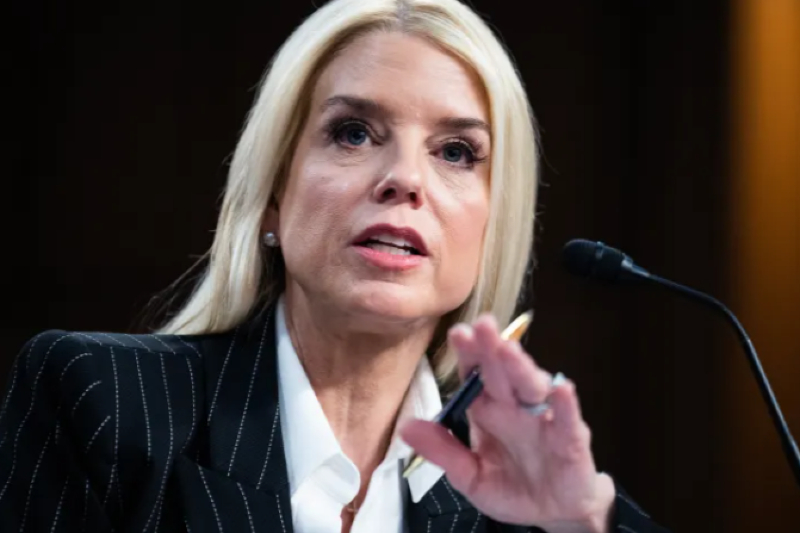
A congressional committee in the United States has formally issued a subpoena to Attorney General Pam Bondi, asking her to testify regarding the Department of Justice’s handling of the investigation into convicted offender Jeffrey Epstein.
The move comes from the House Oversight Committee, led by Republican chairman James Comer, who stated that lawmakers are examining potential “mismanagement” in how the case and related documents were handled.
Growing Political Pressure
Calls for Bondi’s testimony intensified after Republican lawmaker Nancy Mace pushed for a subpoena, alleging that authorities may have attempted to conceal key details during the release of Epstein-related files.
In response, the Department of Justice has dismissed the subpoena as unnecessary, saying lawmakers have already been given opportunities to review relevant materials and engage directly with officials.
Concerns Over Document Release
The controversy follows the release of a large volume of records linked to the Epstein investigation, mandated under transparency legislation signed by Donald Trump last year.
However, the document release sparked criticism from both political parties. Some lawmakers raised concerns that sensitive information—particularly details that could identify victims—was not properly redacted, while other names remained protected.
According to Comer, the committee is seeking clarity on how decisions were made regarding the collection, review, and disclosure of these files.
Scheduled Appearance and Broader Inquiry
Bondi has been asked to appear before the committee on April 14. If she testifies, she will join other high-profile figures who have recently appeared before the panel, including Bill Clinton and Hillary Clinton.
The Justice Department maintains that it has been transparent and cooperative, reiterating that officials remain available to address lawmakers’ concerns.
The development highlights ongoing scrutiny in Washington over accountability and transparency in high-profile investigations, as well as the balance between public disclosure and protecting sensitive information.