

U.S. Moves to Revoke Passports for Parents with Delinquent Child Support
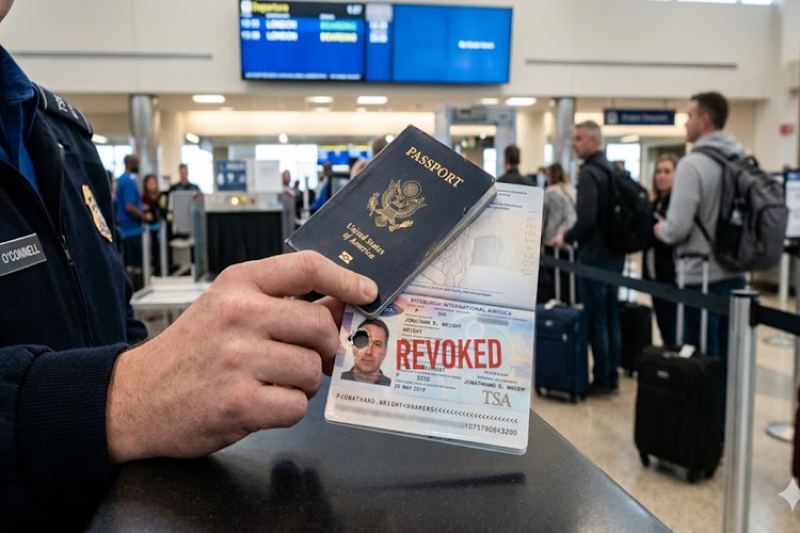
WASHINGTON — The U.S. State Department is launching a major crackdown on parents with significant unpaid child support, beginning a proactive campaign on Friday to revoke the passports of those in debt.
Initial Focus on High-Value Arrears
The department confirmed to the press that the first phase of this enforcement will target approximately 2,700 individuals who owe $100,000 or more in child support. This data, provided by the Department of Health and Human Services (HHS), identifies a specific group of high-debt passport holders who will now lose their travel privileges.
Expansion to the $2,500 Threshold
While the initial wave focuses on six-figure debts, the State Department plans to rapidly expand the program. Under a 1996 law that has historically seen limited enforcement, the legal threshold for passport denial or revocation is only $2,500.
Previously, this penalty was only triggered when an individual attempted to renew or apply for a passport. Under the new policy, HHS will proactively share names of all qualifying debtors with the State Department to trigger immediate revocations for existing documents.
"A Privilege, Not a Right"
Assistant Secretary of State for Consular Affairs, Mora Namdar, described the move as a common-sense measure to ensure parents fulfill their financial obligations.
“Once these parents resolve their debts, they can once again enjoy the privilege of a U.S. passport,” Namdar stated.
The State Department noted that since news of the planned expansion broke in February, hundreds of parents have already moved to settle their arrears with state authorities. Since the program’s inception in the late 90s, the government has successfully recovered over $657 million in unpaid support through passport-related pressure.
Impact on Travelers Abroad
U.S. citizens currently outside the country whose passports are revoked will not be stranded indefinitely, but they will face significant hurdles. They must visit a U.S. embassy or consulate to secure an emergency travel document, which will only be valid for a direct return to the United States. To regain full travel rights, they must settle their debts and reapply for a new passport from scratch.