
U.S. Announces Israel-Hezbollah Ceasefire Agreement Amid Fresh Lebanon Strikes and Risks to Wider Iran Pact
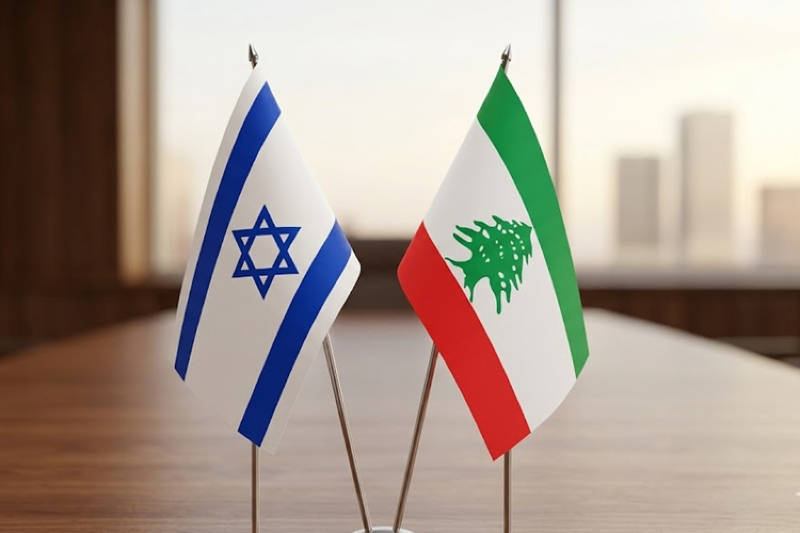
WASHINGTON/ BEIRUT — A fragile ceasefire between Israel and Hezbollah has been brokered by the United States following a night of devastating bombardments in southern Lebanon.
However, immediate reports of subsequent air strikes and ongoing combat have cast deep skepticism over the truce, threatening to derail the broader peace accord recently orchestrated between Washington and Tehran.
According to Lebanese health officials, intense Israeli air raids immediately preceding the truce killed at least 47 people, including women and children, across multiple districts such as Nabatieh. The escalation also claimed the lives of four Israeli soldiers, including a battalion commander, during a Hezbollah ambush in southern Lebanon.
Key Developments on the Ground
Despite the official implementation of the ceasefire, local rescue workers reported a succession of subsequent air strikes, underscoring the extreme volatility of the situation. The diverging rhetoric from all involved parties highlights the deep friction points remaining:
The Israeli Stance: While acknowledging the ceasefire, the Israel Defense Forces (IDF) emphasized that operations would persist to "remove immediate threats" and counter any violations by Hezbollah. Domestically, far-right elements within the Israeli cabinet, including National Security Minister Itamar Ben Gvir, have aggressively pushed for continued military action.
The Hezbollah Position: Hezbollah’s Secretary General, Sheikh Naim Qassem, proclaimed that the military campaign to eradicate the group had failed, asserting that Israeli forces would be compelled to withdraw completely from occupied Lebanese territory.
The Diplomatic Repercussions: In Tehran, Iranian Foreign Minister Abbas Araghchi blamed the ongoing violence on Israeli non-compliance and warned that any collapse of the regional memorandum of understanding would be directly attributed to the United States.
Geopolitical Implications for the Trump Administration
The ongoing violence exposes the limitations of President Donald Trump's direct diplomatic approach. The baseline Memorandum of Understanding (MoU) signed between the U.S. and Iran explicitly mandated a complete cessation of hostilities on all fronts, including Lebanon.
The failure to achieve an immediate, stable peace on the ground has led Tehran to accuse Washington of failing to manage its primary regional ally.
In an unprecedented shift, Trump has publicly leveled sharp criticism at Israeli Prime Minister Benjamin Netanyahu, suggesting that the scale of civilian casualties in Lebanon has been excessive.
The Humanitarian Toll Since Lebanon was pulled into the wider conflict—initiated after Hezbollah retaliated for an earlier strike that killed Iran's supreme leader—the humanitarian cost has been catastrophic.
Over 3,900 people have been killed.
More than 11,600 individuals have been wounded.
Approximately 1 million people remain internally displaced, with dozens of southern communities entirely decimated.
Next Steps in Washington
To prevent a total collapse of the diplomatic framework, the U.S. State Department announced that direct negotiations between Israeli officials and the Lebanese government are scheduled to resume in Washington next week.
However, Lebanese President Joseph Aoun has signaled to U.S. Secretary of State Marco Rubio that these talks will not progress unless a comprehensive ceasefire is strictly maintained and all active cross-border operations cease entirely.
Displaced citizens remain highly skeptical, citing a long historical precedent of unfulfilled peace agreements in the region.