
Turkey or Pakistan May Emerge as Israel’s Next Regional Rival, Says Analyst
JERUSALEM / ISLAMABAD, April 17, 2026 – As diplomatic efforts to finalize a peace deal with Iran gain momentum, Israeli strategic circles are already looking toward the next potential shift in Middle Eastern geopolitics.
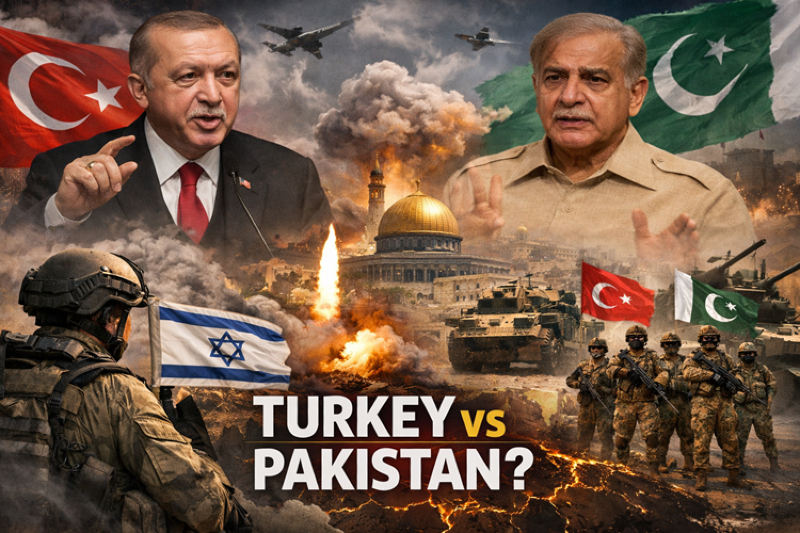
In a prominent analysis published by the daily newspaper Maariv, analyst Boaz Golani suggests that the conclusion of the war on Iran will leave a "strategic vacuum" that either Turkey or Pakistan is likely to fill.
Golani argues that the protracted conflict, combined with a severe domestic economic collapse, has effectively dismantled the Islamic Republic’s capacity to function as Israel’s primary military adversary.
Consequently, he posits that the regional "arch-nemesis" role held by Tehran for three decades is now shifting toward other major Sunni-majority powers.
The Case for Turkey and Pakistan
The analysis identifies Turkey and Pakistan as the leading contenders for this role, citing their massive populations, significant military strength, and complex, often strained, relationships with the West.
Turkey: Tensions between Jerusalem and Ankara have spiked recently. Prime Minister Benjamin Netanyahu lately accused President Recep Tayyip Erdogan of supporting regional proxies and criticized Turkey’s domestic human rights record. Analysts suggest a new rivalry could center on competing interests in Syria.
Pakistan: While Islamabad has positioned itself as a key mediator during the Iran-US peace talks, rhetoric from Pakistani officials has remained sharp. Recently, Pakistan’s defense minister, Khawaja Asif, drew international attention for highly critical remarks directed at Israel just as high-level delegations arrived in Islamabad for negotiations.
A New Strategic Challenge
Golani’s piece emphasizes that both nations maintain sophisticated military infrastructures and historical ties to the United States, making any future confrontation a diplomatic minefield for Israel.
"Israel must prepare for a scenario in which one of these two countries confronts it immediately after the fighting against Iran subsides," Golani warned, noting that Israel’s primary defense against such a shift remains its foundational alliance with Washington.
While Greek-flagged vessels continue to transport energy and supplies through Turkish ports like Ceyhan to Israel, the underlying diplomatic friction suggests that the "shifting sands" of the Middle East may soon move from the Persian Gulf toward the Mediterranean and South Asia.