
🚨Trump Suggests Annexing Venezuela as 51st State; Acting President Rejects Proposal
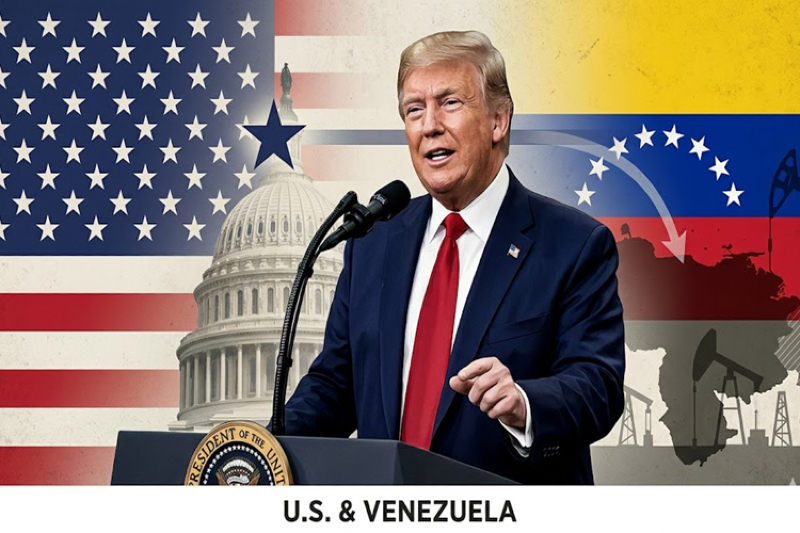
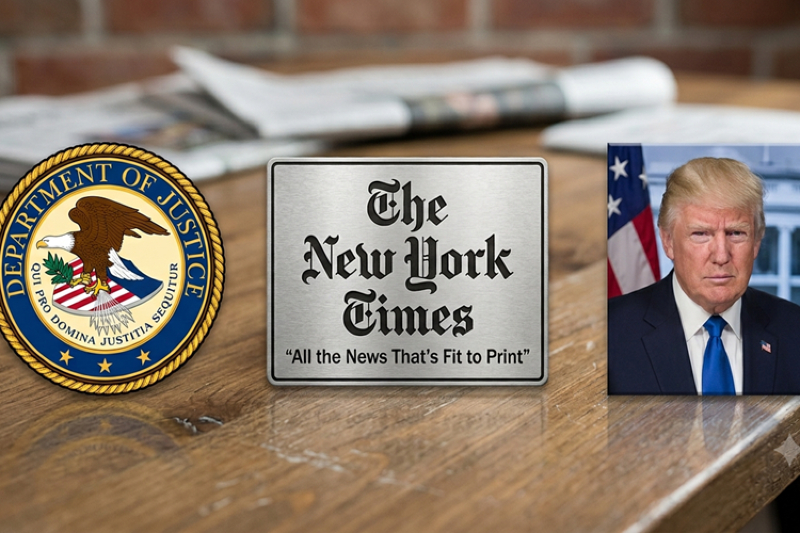
WASHINGTON D.C. – President Donald Trump has reignited international debate by suggesting that his administration is exploring the possibility of incorporating Venezuela as the 51st state of the United States.
The comment comes nearly five months after a U.S. military operation resulted in the capture of former Venezuelan leader Nicolás Maduro.
In an interview with Fox News on Monday, May 11, President Trump stated he was "seriously considering" the annexation of the oil-rich South American nation.
Venezuela Responds: "Not a Colony"
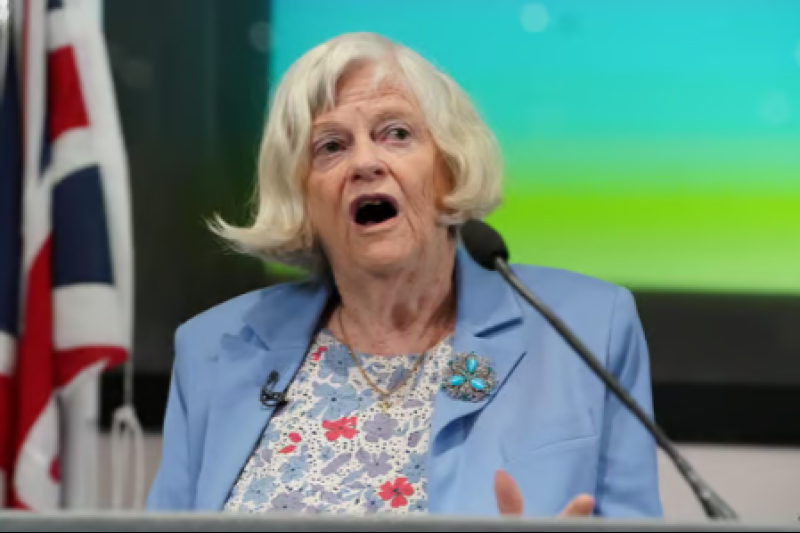
Venezuela’s acting President, Delcy Rodríguez, issued a swift and firm rejection of the proposal. Speaking from the International Court of Justice in The Hague, Rodríguez emphasized that Venezuela remains a sovereign and independent nation.
Sovereignty: Rodríguez stated that Venezuela has no intention of being annexed and will continue to defend its history and integrity.
Independence: “We are not a colony, but a free country,” she told reporters on Monday.
Context of U.S. Administration
Since the January 2026 military action that led to the arrest of Maduro and his wife, Cilia Flores, the U.S. has maintained a significant role in overseeing Venezuela's affairs.
Resource Management: President Trump has prioritized securing access to Venezuela’s vast oil reserves for U.S. companies, noting that oil is beginning to flow and bringing financial aid to the country.
Transition Period: The President previously stated in January that the U.S. would manage the country until a "safe, proper, and judicious transition" could be achieved.
A Pattern of Expansionist Rhetoric
Venezuela is the third territory President Trump has mentioned as a potential addition to the Union during his second term.
Greenland: In December 2025, Trump cited national security concerns regarding Russian and Chinese maritime activity as a reason to acquire Greenland.
Canada: In late 2025, following trade tensions, Trump reportedly suggested Canada join the U.S., even referring to then-Prime Minister Justin Trudeau as a "governor".
Constitutional Hurdles
Despite the President's suggestions, the U.S. Constitution provides a strict framework for admitting new states. Under Article IV, the admission of a new state requires the approval of Congress and, in cases involving existing jurisdictions, the consent of the relevant legislatures.
Legal experts note that Trump cannot unilaterally declare Venezuela a state without both congressional backing and the consent of the Venezuelan people.