
Trump’s 15-Point Plan Reaches Tehran Amid Iran’s Sharp Rejection of US “Talks”
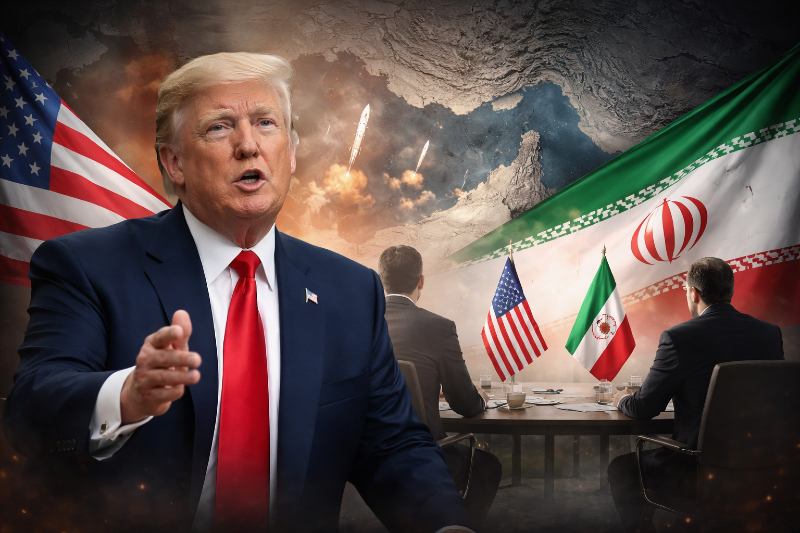
Tensions between the United States and Iran have taken a new turn after reports emerged that a detailed 15-point proposal from Donald Trump has been delivered to Tehran through intermediaries, while Iranian officials insist no real negotiations are taking place.
Plan Delivered Through Backchannel Diplomacy
According to regional sources, the United States has conveyed a comprehensive peace framework to Iran with the help of Pakistan, which is reportedly acting as a mediator.
Although the full contents of the plan have not been officially disclosed, early indications suggest it includes major concessions and demands on both sides.
At the core of the proposal is a requirement for Iran to dismantle key elements of its nuclear infrastructure. In return, Washington is believed to be offering a gradual lifting of long-standing economic sanctions that have severely impacted Iran’s economy.
Tehran Rejects Claims of Negotiations
Iran, however, has publicly dismissed the idea that meaningful talks are underway. A spokesperson linked to the Iranian military establishment criticized the US stance, saying Washington is effectively “negotiating with itself.”
The comment reflects deep skepticism in Tehran, where officials appear unwilling to engage under current conditions. The sharp tone also signals that any agreement—if pursued—faces significant political and strategic hurdles.
Trump Insists Iran Wants a Deal
Despite Iran’s denial, President Donald Trump continues to claim that Tehran is eager to reach an agreement.
Speaking from Washington, he stated that Iran “wants a deal very badly” and even suggested that recent developments have benefited the United States financially.
His remarks highlight a widening gap between the narratives coming from Washington and Tehran, raising questions about whether any backchannel diplomacy is genuinely progressing.
Mixed Reactions from Israel
In Israel, reactions to the reported plan have been cautious. One senior official described the proposal as “appealing on paper” but expressed doubt that Iran would ultimately accept its terms.
Israel, which has long opposed Iran’s nuclear ambitions, remains a key stakeholder in any potential agreement and is closely monitoring developments.
Strait of Hormuz Remains Open—for Now
Amid rising tensions, Iran’s mission to the United Nations has stated that non-hostile vessels will be allowed to pass through the strategically vital Strait of Hormuz.
This assurance comes as global concerns grow over the safety of one of the world’s most important oil transit routes.
Reports indicate that ships from countries including China, India, and Pakistan have continued to navigate the passage without major disruption.
Escalation Continues Across the Region
While diplomatic messaging remains contradictory, military activity in the region shows no signs of slowing. Gulf states have reported intercepting drones, and missile exchanges between Iran and Israel continue, increasing fears of a broader regional conflict.
The combination of ongoing military escalation and uncertain diplomacy suggests that, despite the existence of a proposed framework, a breakthrough remains far from certain.