
Trump Questions Iran’s Stance Amid Military Pressure and Ongoing Nuclear Talks
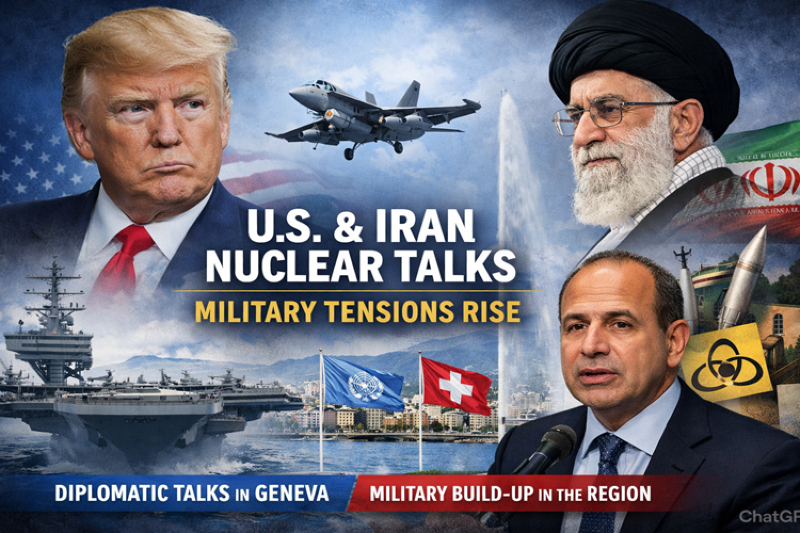
US President Donald Trump has expressed curiosity about why Iran has not agreed to what he described as possible diplomatic or political concessions under growing military pressure from Washington, according to comments made by his special envoy.
Trump is wondering why Tehran has not shown willingness to “capitulate” despite the expansion of US military deployment in the Middle East, said U.S. special envoy Steve Witkoff in an interview with Fox News.
The envoy avoided using the word “frustrated” but indicated that the president was interested in understanding Iran’s response to the pressure strategy.
Witkoff explained that the US maintains several strategic options, including diplomatic and military measures, and questioned why Iran has not approached Washington with a clear commitment regarding its nuclear programme.
He suggested that if Tehran truly does not intend to develop nuclear weapons, it could present a framework for agreement during negotiations.
Middle East Military Build-up
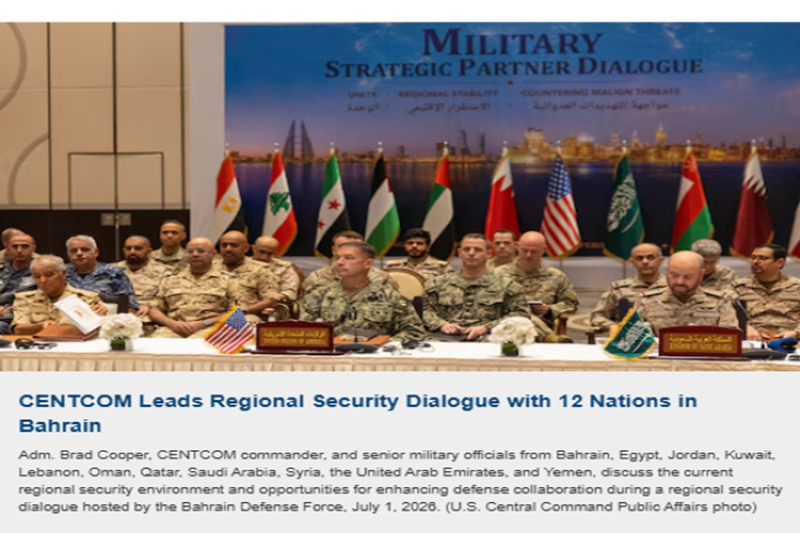
The United States has recently strengthened its military presence around Iran and the broader Middle East region amid rising geopolitical tensions.
The deployment reportedly includes major naval assets such as the aircraft carrier USS Gerald R. Ford and the carrier USS Abraham Lincoln, along with accompanying destroyers, combat vessels, and fighter jets operating in nearby waters.
US officials have indicated that the military movement is intended to increase pressure during ongoing diplomatic discussions over Iran’s nuclear activities, although Washington has not publicly confirmed any imminent offensive plan.
Diplomatic Talks Continue in Geneva
Representatives from the United States and Iran have held indirect negotiations in Geneva, mediated by Oman.
The latest round of talks took place on 17 February, with both sides describing the initial progress as positive.
Iran’s Foreign Minister Abbas Araghchi said there was still a possibility of reaching a mutually beneficial agreement.
Tehran is reportedly preparing a draft proposal outlining possible settlement terms and intends to present it during the ongoing diplomatic process.
US officials have not released detailed comments on the negotiation content, but both sides have expressed cautious optimism about continuing dialogue.
Domestic Unrest Inside Iran
Meanwhile, protests have been reported at several universities inside Iran, marking what observers say is the largest student mobilization since a deadly crackdown earlier this year.
Verified video footage showed confrontations between anti-government demonstrators and pro-government supporters at institutions including the Sharif University of Technology and other academic campuses in Tehran and Mashhad.
Human rights monitoring groups reported thousands of deaths during the previous wave of unrest, although Iranian authorities have disputed those figures, stating that many casualties involved security personnel or people killed during violent attacks.
Strategic Significance of the Situation
The current tensions reflect a complex interplay of diplomacy, military signalling, and domestic political pressure.
Analysts suggest that the United States is using a combination of negotiation and deterrence to influence Iran’s nuclear policy, while Tehran continues to emphasize diplomatic engagement as a possible pathway toward resolving the dispute.
The outcome of the talks in Geneva is expected to play a key role in determining whether the confrontation will move toward a negotiated settlement or escalate further.