
Andrew Mountbatten-Windsor Arrested on Suspicion of Misconduct
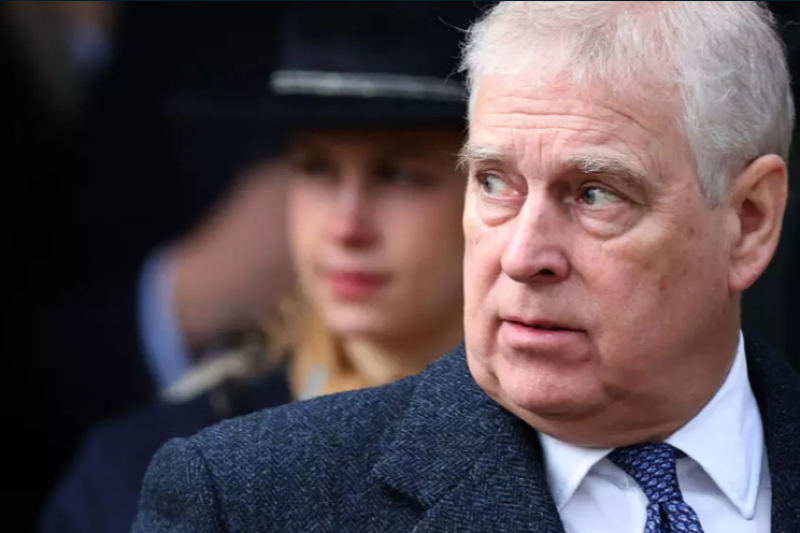
Andrew Mountbatten-Windsor, widely known as Prince Andrew, is a senior member of the British royal family and the younger brother of King Charles III and the third child of the late Queen Elizabeth II, got arrested.
The Duke of York was arrested on suspicion of misconduct in public office following an investigation led by Thames Valley Police. The case reportedly relates to actions during his tenure as the UK’s Special Representative for International Trade and Investment, a role in which he promoted British business interests overseas.
Police are examining allegations that confidential or official materials may have been improperly shared during his time in public office. Andrew has previously denied wrongdoing in related matters.
Andrew Mountbatten-Windsor has been arrested on suspicion of misconduct in public office, prompting a formal statement from King Charles III that “the law must take its course.”
Arrest and Searches
According to police, Andrew was detained at around 08:00 at a residence on the Sandringham Estate in Norfolk. Officers are conducting searches at addresses in Norfolk and Berkshire, including Royal Lodge in Windsor Great Park, where he lived until recently.
Thames Valley Police is leading the investigation, with support from Norfolk Constabulary. Authorities have not disclosed where Andrew is currently being held.
What the Allegation Involves
The arrest relates to alleged misconduct during Andrew’s tenure as the UK’s Special Representative for International Trade and Investment. Police are assessing claims that confidential or official materials may have been improperly shared, including matters reportedly connected to the late financier and convicted sex offender Jeffrey Epstein.
Andrew has previously denied wrongdoing in relation to Epstein. He has not publicly responded to the latest specific allegations tied to recently released documents.
Legal experts explain that misconduct in public office is a serious and complex offence. Prosecutors must show that a public official willfully neglected their duty or abused the public’s trust without reasonable justification. An arrest allows police to question a suspect under caution and to search properties and devices for potential evidence.
Palace Reaction
In a statement issued shortly after the arrest, King Charles said he had learned of the development “with the deepest concern,” adding that the matter should proceed through “the full, fair and proper process” and affirming that the authorities have the Palace’s “full and wholehearted support and co-operation.”
The BBC understands that neither the King nor Buckingham Palace was informed in advance of the arrest. The Prince and Princess of Wales are understood to support the King’s position.
Political and Public Response
Senior government figures have stressed that no individual is above the law and that the investigation must proceed independently. Former Prime Minister Gordon Brown confirmed he had submitted additional information to police drawn from documents related to the Epstein case.
Public engagements by senior royals have continued as scheduled, though today’s events are likely to intensify scrutiny of the monarchy and its handling of controversies involving Andrew.
A Broader Moment for the Monarchy
While the legal process is at an early stage and no charges have been filed, the arrest marks a significant escalation in a long-running saga that has already reshaped Andrew’s public role. Once a prominent trade envoy, he stepped back from official duties amid mounting controversy.
As investigators examine documents, communications and financial records, the coming days will determine whether the case proceeds to formal charges or further inquiries. For now, the Palace has signaled deference to the justice system — underscoring the King’s central message: the law must run its course.
What Is “Misconduct in Public Office”?
Andrew Mountbatten-Windsor has been arrested on suspicion of misconduct in public office, following an investigation led by Thames Valley Police. The arrest reportedly relates to actions during his time as the UK’s Special Representative for Trade and Investment and concerns alleged sharing of confidential material, including matters linked to Jeffrey Epstein. Andrew has previously denied wrongdoing.
What does “misconduct in public office” mean?
Misconduct in public office is a serious criminal offence under UK common law. It applies when:
A person holds a public position — such as a government official, police officer, civil servant, or public envoy.
They willfully neglect their duty or misuse their position.
Their actions amount to an abuse of the public’s trust.
They have no reasonable excuse or justification for their conduct.
In simple terms, it means someone trusted to act in the public interest is accused of knowingly doing something seriously wrong in connection with their official role.
The offence does not automatically mean corruption or financial gain. It can also involve:
Allegedly leaking or sharing confidential government documents
Using official status for private benefit
Failing to perform official duties intentionally
Passing sensitive information to unauthorized individuals
What happens next?
An arrest allows police to:
Question the suspect under caution
Search homes, offices, and electronic devices
Collect documents and digital evidence
Being arrested does not mean someone has been charged or found guilty. Prosecutors must later decide whether the evidence meets the legal threshold for charges.
Palace Response
King Charles III said he learned of the arrest “with the deepest concern” and emphasized that “the law must take its course.” Buckingham Palace was reportedly not informed in advance.
The investigation remains ongoing.