
Peru’s Political Turmoil Deepens as Congress Prepares to Name Eighth President in 10 Years
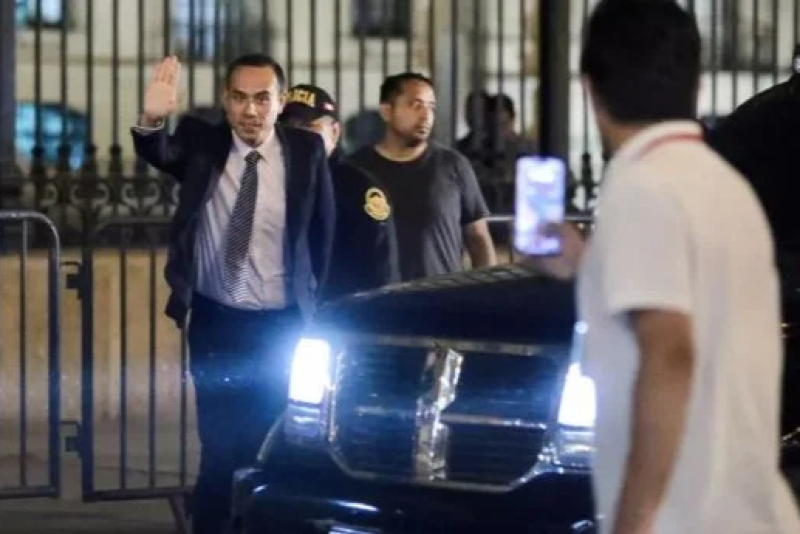
Peru’s legislature is poised to select a new president — the eighth in just 10 years — following the impeachment of interim leader José Jeri amid persistent corruption allegations and political instability.
Peru is grappling with an unrelenting cycle of political instability that continues to undermine governance and public confidence. On Wednesday, February 19, 2026, lawmakers in Lima are expected to appoint a new head of state after Congress removed José Jeri, 39, from office just four months into his presidential term. Jeri’s rapid fall from power underscores a persistent struggle between Peru’s executive branch and a fragmented, powerful legislature.
Chronic Leadership Turnover
This decision marks the eighth presidential change in a decade, an extraordinary rate of turnover that reflects deep institutional fragility. In the past ten years, four presidents have been ousted by impeachment proceedings, two have resigned under pressure, and only one completed a full term. This pattern of leadership churn makes effective long-term policy difficult and contributes to public disenchantment with political institutions.
Political analysts say this turbulence is rooted in endemic corruption, rivalries within and between political factions, and an assertive Congress that frequently clashes with executives perceived as weak or controversial. In Jeri’s case, allegations of irregular hiring of staff and questionable meetings with a Chinese businessman intensified scrutiny and fueled lawmakers’ resolve to remove him.
What Comes Next?
With the presidency vacant, Congress will convene to elect a new president who will serve through July 28, 2026, when the current constitutional term ends. The candidates include former congressional leaders and political figures from across ideologies. However, experts warn that given the entrenched challenges — from corruption to public safety crises — even the next officeholder may struggle to hold the position.
Public response mirrors widespread frustration. For many ordinary Peruvians, political drama in Lima feels detached from everyday life, where economic worries and insecurity take precedence. Voices like that of 29-year-old doctor Erick Solorzano capture a sense of unease: “We live in uncertainty,” he told reporters, describing how frequent leadership changes have shaken confidence in national direction.
Broader Implications
Peru’s leadership volatility has broader geopolitical and economic implications. Frequent presidential transitions can disrupt policymaking on key issues such as economic reform, anti-corruption measures, social cohesion, and foreign investment. The instability also poses challenges for Peru’s diplomatic relationships and participation in regional initiatives. Analysts argue that until systemic reforms reduce the incentive for legislative-executive conflict and strengthen accountability, political instability may remain entrenched.