
Trump Issues Warning to Iran’s Energy Infrastructure in Push for Peace Deal; Haifa Refinery Hit by Advanced Missiles
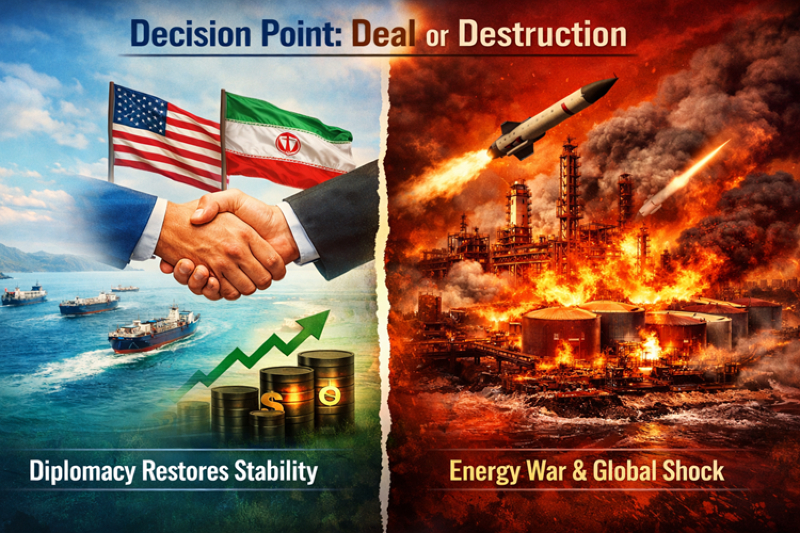
The Middle East is teetering on the edge of a total regional war as U.S. President Donald Trump issued a final ultimatum to Tehran: reopen the Strait of Hormuz immediately or face the "complete obliteration" of Iran's civilian energy infrastructure.
The threat follows a night of heavy fire, including a high-profile missile strike on an Israeli oil refinery and a widening conflict that now involves over half a dozen nations.
1. The "Energy Ultimatum": Kharg Island in the Crosshairs
In a move that has paralyzed global energy markets, President Trump singled out Kharg Island—the terminal through which nearly 90% of Iran’s oil exports flow—as a primary target.
"If the Hormuz Strait is not immediately 'Open for Business,' we will conclude our lovely 'stay' in Iran by blowing up all of their Electric Generating Plants, Oil Wells, and Kharg Island," Trump posted on social media.
This "Trump Doctrine" of maximum economic destruction has already sent Brent Crude soaring toward $120 a barrel, a record 51% increase in just one month.
2. The Haifa Inferno: Hezbollah’s "Advanced" Retaliation
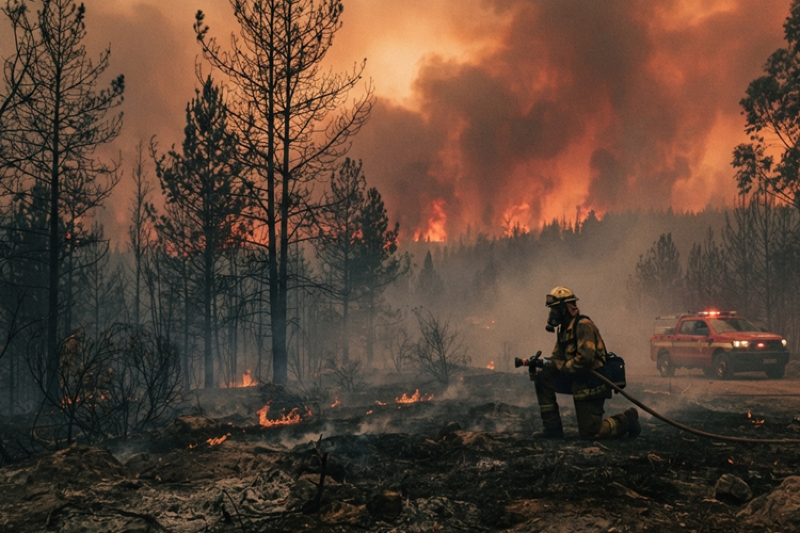
While Trump issued threats from Washington, the battlefield in Israel turned into a furnace. A massive fire erupted at the Bazan oil refinery in Haifa following a barrage of "advanced missiles" launched by Hezbollah.
Verified Impact: Al Jazeera has verified footage showing thick black smoke billowing from the refinery, a site previously hit on March 19.
Tactical Shift: This marks a transition from border skirmishes to deep-strike operations targeting the economic heart of the Mediterranean coast.
3. The "Secret" 15-Point Peace Plan and Tehran’s Defiance
In a surprising twist, Iranian Foreign Ministry spokesperson Esmaeil Baghaei confirmed today that Tehran has received a 15-point peace proposal from the Trump administration via intermediaries.
However, the "twist" lies in Tehran's internal reaction. Iran's Parliament Speaker, Mohammad Bagher Qalibaf, dismissed the talks as a "smoke screen" for a U.S. ground invasion.
4. Global Fallout: Airspace Closures and "False Flags"
The conflict is no longer contained to the Gulf. Major updates from the last 24 hours include:
Spain’s Defiance: In a historic move, Spain has barred all U.S. military aircraft involved in the Iran war from its airspace, forcing U.S. logistics to reroute thousands of miles around Africa.
The Kuwait Crisis: A deadly strike on a Kuwaiti desalination plant killed an Indian worker today.
While Qatar and the UAE have blamed Iran, Tehran has officially accused Israel of a "false flag" operation designed to turn Arab nations against the Islamic Republic. Proxy Fronts: Iraq is facing a diplomatic breaking point as six Arab nations issued a joint condemnation of Baghdad for failing to stop Iran-aligned militias from using Iraqi soil to launch drones into the Arabian Peninsula.
5. Economic Shockwaves: "The End of the Safe Gulf"
The International Energy Agency (IEA) has characterized this as the "largest supply disruption in history." * Food Security:
Refinery Collapse: Over 4 million barrels per day of refining capacity in the Gulf has shut down due to direct attacks or lack of export outlets.
Key Data at a Glance (March 30, 2026)
| Indicator | Status | Impact |
|---|---|---|
| Brent Crude Oil | $116.40 / barrel | 51% Monthly Surge |
| Strait of Hormuz | Closed | 20% of Global Supply Blocked |
| EU Gas Prices | Up 70% | Immediate Inflation Crisis |
| Casualties (IDF) | 6 Soldiers | Ground War Expansion |
Trump Pushes for "Peace Deal" Exit; Iraqi Proxies Strike U.S. Base
In a high-stakes diplomatic gamble, U.S. President Donald Trump has issued a final warning to Iran: agree to the proposed 15-point peace deal or face the total destruction of the nation’s energy infrastructure.
1. The Peace Deal vs. The Energy Ultimatum
President Trump confirmed that "serious discussions" are ongoing via Pakistani intermediaries.
The Goal: A comprehensive settlement to end military operations and stabilize oil prices, which have surged 70% since February.
The Threat: "If a deal is not shortly reached... we will conclude our 'stay' in Iran by blowing up and completely obliterating their Electric Generating Plants," Trump stated on Truth Social.
2. Iraqi Soil: The New Frontline for Proxy Attacks
While diplomats meet in Islamabad, the war has expanded into Iraq.
Baghdad Airport Strike: A barrage of rockets hit the Mohamad Alaa Airbase at Baghdad International Airport today. The attack destroyed a transport aircraft and caused a massive fire at a U.S. diplomatic support hub.
Regional Fallout: These groups are also launching drones from Iraq into Syria and Saudi Arabia.
Over 300 U.S. service members have been wounded in these "shadow front" attacks since the war began.
3. Summary of Military and Infrastructure Impact
To give you a clear view of the escalating costs of this conflict, the following table tracks major losses over the last 24 hours:
| Region | Target Category | Reported Status |
|---|---|---|
| Haifa, Israel | Bazan Oil Refinery | On Fire (Hit by advanced missiles) |
| Baghdad, Iraq | U.S. Logistics Base | Heavy Damage (Rocket barrage) |
| Tyre, Lebanon | Military Checkpoint | 1 Fatality (Lebanese Army soldier) |
| Kuwait | Desalination Plant | 1 Fatality (Civilian worker) |
| Tehran, Iran | IRGC University | Destroyed (Targeted air strike) |
4. Global Diplomacy in Crisis
The war is causing unprecedented friction among Western allies. Spain has officially barred U.S. military aircraft from its airspace, citing opposition to the continued bombing of Iranian civilian sites.
Dramatic Escalation of Rhetoric
In a dramatic escalation of rhetoric, U.S. President Donald Trump has threatened to "completely obliterate" Iran’s civilian energy infrastructure if the Strait of Hormuz is not immediately reopened.
The warning comes as the regional conflict expands, with a major missile strike hitting a refinery in Israel and diplomatic efforts in Pakistan hitting significant hurdles.
Trump’s Ultimaum: Open for Business or "Obliterated"
Writing on social media, President Trump identified specific targets including power plants, oil wells, and the strategic Kharg Island. While the President expressed optimism that a deal remains possible, his language left little room for ambiguity regarding the consequences of continued maritime blockades.
"If the Hormuz Strait is not immediately 'Open for Business,' we will conclude our lovely 'stay' in Iran by blowing up and completely obliterating all of their Electric Generating Plants, Oil Wells and Kharg Island," the President stated.
The Strait of Hormuz is a vital artery for global energy. Since the conflict began on February 28, European gas prices have reportedly jumped more than 70%, causing severe economic tremors across the EU.
Haifa Refinery Ablaze Following Missile Barrage
On the ground, the conflict has moved into a high-intensity phase:
Haifa Strike: A major fire broke out at the Bazan oil refinery in northern Israel. Hezbollah claimed responsibility, stating they targeted the city’s naval base with a "barrage of advanced missiles."
Lebanese Army Targeted: An Israeli strike on a military checkpoint near Tyre killed at least one Lebanese soldier. Analysts suggest these strikes are intended to force the Lebanese military—who are not active combatants—to pull back from the coastal road.
IDF Casualties: The Israeli army confirmed the death of another soldier in southern Lebanon, bringing the total killed in the current ground offensive to six.
Regional Disruptions and Interceptions
The reach of the war is expanding across the Arabian Peninsula:
UAE & Bahrain: The UAE Defense Ministry reported intercepting 27 drones and 11 ballistic missiles in a single day. Bahrain also reported destroying 15 projectiles in the last 24 hours.
Kuwait Infrastructure: A desalination plant and power station in Kuwait were hit, resulting in the death of an Indian worker. Iran’s military has denied responsibility, instead accusing Israel of a "false flag" operation to frame Tehran.
Iraq's Crisis: Iraq is facing mounting regional isolation as Iran-aligned groups use Iraqi soil to launch drones toward neighboring Gulf states.
Diplomatic Deadlock in Islamabad
Despite Pakistan’s efforts to host "meaningful talks" between the U.S. and Iran, Tehran remains defiant. Iranian Foreign Ministry spokesperson Esmaeil Baghaei dismissed U.S. diplomatic messages as "unreasonable requests" and denied that any direct negotiations have taken place.
Meanwhile, Spain has officially barred U.S. military aircraft involved in the conflict from using its airspace, a move that forces long-range rerouting for American operations in the region.