
Trump Delays Strikes on Iran Amid ‘Constructive’ Talks to End Conflict
President Donald Trump announced Monday that potential U.S. strikes on Iran’s energy infrastructure have been postponed, citing ongoing “productive” discussions with Tehran aimed at ending the conflict.
The decision extends the previously set 48-hour deadline for Iran to reopen the Strait of Hormuz.
Trump, in a post on Truth Social, instructed the War Department to halt attacks on Iranian power facilities for five days, noting that discussions with Iranian leaders have been “very good” and could pave the way for a complete cessation of hostilities.
International Reactions and Military Preparations
The postponement comes after Trump and UK Prime Minister Kier Starmer jointly called on Iran to reopen the strategic Strait of Hormuz.
While diplomatic engagement progresses, Israeli Prime Minister Benjamin Netanyahu emphasized that Israel’s military operations continue.
Netanyahu confirmed ongoing strikes against Iranian and Hezbollah targets and highlighted recent actions, including the elimination of two Iranian nuclear scientists.
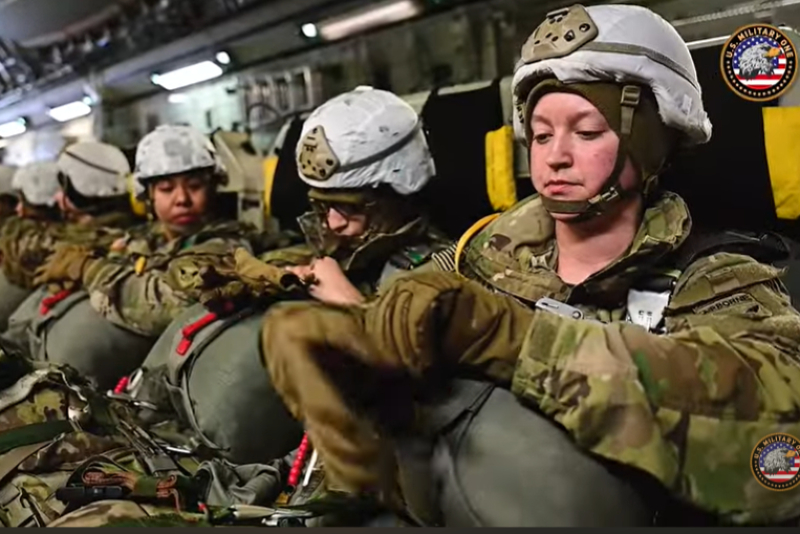
Meanwhile, U.S. military deployments to the region continue. Reports indicate that 3,000 paratroopers, 2,500 Marines, nearly 2,000 sailors, and three amphibious ships are being mobilized, although Trump clarified that no ground troop deployment has been ordered.
White House officials stressed that military preparations provide the President with “maximum optionality” but do not indicate immediate action on the ground.
Bahrain has circulated a draft U.N. Security Council resolution condemning Iran for threatening the freedom of navigation in the Strait of Hormuz and for attacks on commercial vessels.
The draft authorizes member states to take “all necessary means” to ensure safe passage and allows for sanctions against parties obstructing lawful transit.
Regional Escalation
The Israel Defense Forces (IDF) warned that Hezbollah, backed by Iran, is putting Lebanese civilians at risk through missile attacks, including two launched overnight that landed in Lebanon. U.S. Central Command (CENTCOM) reported more than 9,000 strikes on Iranian targets since the war began, resulting in significant damage to naval vessels and military infrastructure, including missile sites, air defense systems, and communication networks.
The United Kingdom has also increased its regional presence. HMS Dragon arrived in Cyprus to integrate into local defense networks, while the Rapid Sentry missile system was deployed to Kuwait. British authorities continue defensive operations using Typhoon and F-35 jets and confirmed the interception of two Iranian drones in the area.
Ongoing Investigations and Security Concerns
The conflict has raised security concerns beyond the Middle East. In London, UK counterterrorism police are investigating an antisemitic arson attack on Jewish community ambulances, with a group allegedly linked to Iran claiming responsibility.
The U.K. also summoned the Iranian ambassador over charges against an Iranian national and a dual national for suspected intelligence activities targeting Jewish communities.
Additionally, Ukrainian President Volodymyr Zelenskyy claimed that Russia is providing intelligence to Iran, including battlefield information and control of UAV operations, signaling an expanded web of foreign involvement in the conflict.
Strategic Implications
Trump’s postponement of strikes comes as the U.S. seeks to leverage diplomatic channels while maintaining military pressure. The delay also impacts energy security, including China’s oil imports, as regional disruptions continue to raise risks and costs for global supply.
Trump’s planned summit with Chinese President Xi Jinping, originally set for late March, has been delayed to allow focus on the unfolding Middle East crisis.
CENTCOM confirmed that U.S. forces continue precision strikes against Iranian military targets, prioritizing assets that pose imminent threats. Trump emphasized that the talks with Tehran remain constructive, signaling cautious optimism for a diplomatic resolution while keeping military options available.