
Officials Disclose U.S.-Iran Pact Details as Trump Signals Signing Could Happen Tomorrow
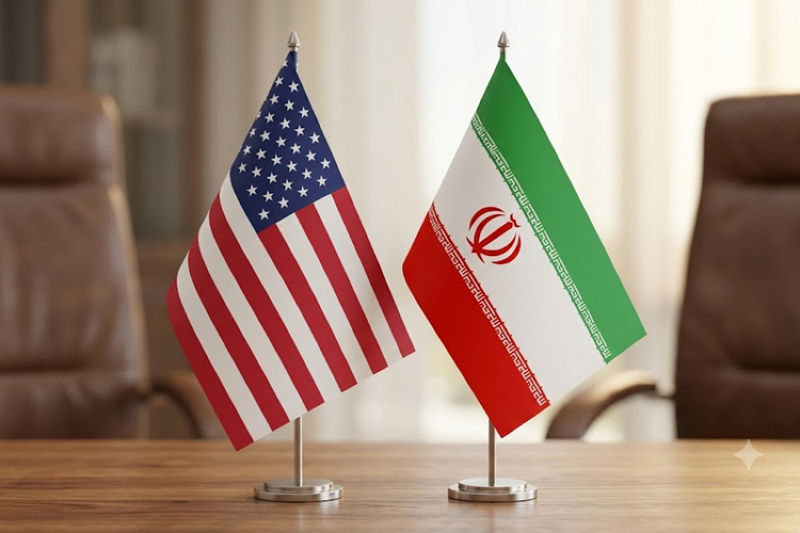
GENEVA — Senior U.S. officials have laid bare the highly anticipated details of a 14-paragraph interim agreement with Iran, just as President Donald Trump announced from the G7 summit that the historic accord could be officially signed as early as tomorrow.
While the text establishes an immediate blueprint to halt hostilities and revive global energy markets, Trump maintained a characteristically aggressive posture, warning that the U.S. will immediately resume heavy military bombardment if Tehran deviates from the pact. The diplomatic breakthrough arrives amid intense domestic pressure following a controversial late-February U.S. missile strike in southern Iran that reportedly caused heavy civilian casualties.
Technical Terms of Reference
The core framework of the Memorandum of Understanding (MoU) sets up an aggressive, performance-driven agenda to transition away from active conflict. The explicit operational terms include:
Total Cessation of Hostilities: Mandates the immediate and permanent termination of all military operations across all active fronts, explicitly including the conflict in Lebanon.
Naval Blockade Rollback: The U.S. will completely dismantle its naval blockade of Iran within a 30-day window, incrementally restoring commercial shipping traffic to pre-war volumes.
Free Passage Through the Strait of Hormuz: Iran commits to keeping the critical maritime choke point entirely toll-free for commercial vessels for an initial 60 days. Long-term maritime governance will be negotiated between Iran, Oman, and other Gulf littoral states.
Nuclear Material Elimination: The text explicitly dictates that Iran will never possess a nuclear weapon. Its existing highly enriched uranium will be systematically blended down on-site under direct International Atomic Energy Agency (IAEA) supervision.
Sanctions Termination: The U.S. pledges to eliminate all categories of economic sanctions against Iran, following a specialized timeline to be negotiated.
$300 Billion Development Fund: A multilateral fund of at least $300 billion will be established alongside regional allies for Iran's reconstruction. Crucially, the text does not obligate the U.S. Treasury to contribute a single cent; the U.S. role is limited to granting necessary regulatory licenses, waivers, and permissions.
The 60-Day Clock: Both Washington and Tehran commit to finalizing a permanent treaty within a maximum of 60 days, a deadline that can only be extended via mutual consent.
Analytical Deal Insights
1. The "Zero U.S. Dollars" Coercive Framework The structural brilliance—and primary risk—of the deal lies in its performance-based nature. U.S. officials have made it clear that Washington is legally bound to "nothing" unless Iran demonstrates absolute compliance. By engineering a $300 billion reconstruction fund financed entirely by third-party regional partners (such as the UAE or Saudi Arabia) rather than American taxpayers, the Trump administration has insulated itself from domestic fiscal blowback while using the promise of U.S. regulatory waivers as massive diplomatic leverage.
2. The Lebanon Sticking Point While the text explicitly notes that military operations must end "on all fronts, including in Lebanon," the geopolitical reality on the ground remains highly volatile. Iran and regional mediators view a Lebanese ceasefire as a non-negotiable pillar of the MoU. However, parallel narratives from Israel suggest they view their theater of operations as entirely independent of this bilateral U.S.-Iran text. Bridging this disconnect is the most immediate threat to the deal’s survival.
3. An Unprecedented Diplomatic Sprint For context, the 2015 Obama-era nuclear deal (JCPOA) required nearly two years of exhausting multilateral negotiations to write. This framework gives negotiators a maximum of 60 days to hammer out an entirely new, permanent treaty covering everything from ballistic missile proportions to total infrastructure rehabilitation. It is a high-speed, high-stakes gamble that favors rapid executive deal-making over meticulous, long-term diplomatic diplomacy.