
Netanyahu Refuses to Set War Deadline as Trump Threatens Iranian Infrastructure
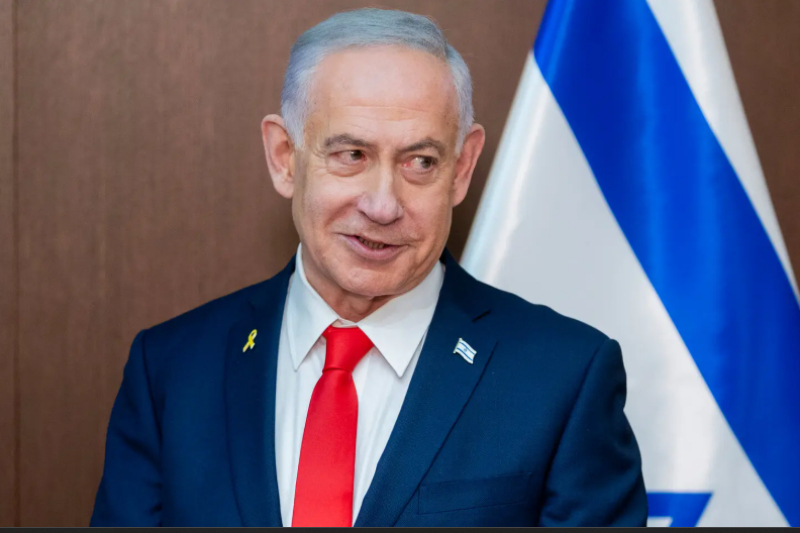
Israeli Prime Minister Benjamin Netanyahu has signaled that the ongoing conflict with Iran is “definitely beyond the halfway point,” but remains firm in refusing to set any deadline for ending hostilities.
His stance comes as U.S. President Donald Trump intensifies rhetoric, warning that Washington could “obliterate” Iran’s key civilian and energy infrastructure if a diplomatic agreement is not reached soon.
Netanyahu Projects Confidence Without Timeline
In a recent U.S. media interview, Netanyahu described the military campaign as a transformative phase in regional dynamics. While highlighting progress by the Israel Defense Forces (IDF) and allied operations, he rejected mounting pressure to outline an exit strategy.
“I don't want to put a schedule on it,” he said, arguing that internal pressures within Iran could eventually weaken the regime. His approach signals a strategy of sustained military pressure rather than a rapid disengagement, even as Israel continues operations across multiple fronts, including Lebanon and Gaza.
Trump’s Ultimatums: Civilian Infrastructure in Focus
President Trump has raised the stakes with warnings of potential strikes on previously avoided targets if Tehran fails to agree to a ceasefire deal within a short timeframe.
He specifically referenced power plants, oil facilities, and water desalination systems, adding that the U.S. is prepared to hit sites it has “purposefully not yet touched.” Despite this, reports indicate Washington may not pursue a prolonged campaign to reopen the Strait of Hormuz, instead leaning toward diplomatic and economic pressure.
The White House later clarified that while diplomacy is preferred, “real consequences” remain on the table.
Maritime Crisis: Tanker Strike in Dubai
The conflict’s economic and security risks were underscored when the oil tanker Al Salmi, carrying two million barrels of crude, was struck by an Iranian drone while docked in Dubai.
The Kuwait Petroleum Corporation termed the incident a “brutal airstrike.” All 24 crew members were reported safe, and the fire was contained, but the attack has heightened fears across global shipping networks.
Analysts warn the strike signals that no regional port can currently be considered fully secure.
Oil Market Shock and Global Economic Impact
The escalation has triggered sharp volatility in energy markets. Brent crude surged to $115 per barrel, while U.S. crude climbed above $106. Traffic through the Strait of Hormuz has dropped by 95% since the war began on February 28, severely disrupting one of the world’s most vital oil transit routes.
Rising fuel prices are already impacting global economies, with record highs reported in parts of Europe and growing concerns about inflationary pressure worldwide.
Expanding Conflict: Lebanon and Isfahan
The war continues to widen geographically. Reports from Isfahan indicate fresh waves of strikes targeting Iranian military sites, with President Trump sharing footage of the attacks.
In southern Lebanon, the deaths of three UN peacekeepers from the United Nations Interim Force in Lebanon have triggered international outrage. France has called for an emergency meeting of the UN Security Council, while the IDF says the incident is under investigation, describing the area as an active combat zone involving Hezbollah.
U.S. Strategy Shift: Containment Over Prolonged War
A notable shift in U.S. strategy has emerged, with indications that Washington may conclude military operations even if the Strait of Hormuz remains partially restricted. Reports suggest a full-scale effort to reopen the waterway could extend beyond Trump’s preferred four-to-six-week timeline.
Instead, the U.S. appears to be pivoting toward a containment model—weakening Iran’s naval and missile capabilities before transitioning responsibility for long-term maritime security to European and Gulf allies. This reflects an effort to avoid extended military entanglements while maintaining pressure on Tehran.
Pentagon Rejects War Profiteering Allegations
Amid the conflict, controversy has surfaced over U.S. Defense Secretary Pete Hegseth. A report alleged that a broker linked to him sought major investments in defense-related firms shortly before the war began.
The Pentagon has strongly denied the claims. Spokesman Sean Parnell dismissed the report as a “baseless, dishonest smear,” stating neither Hegseth nor his associates approached firms such as BlackRock.
Regional Defense on High Alert
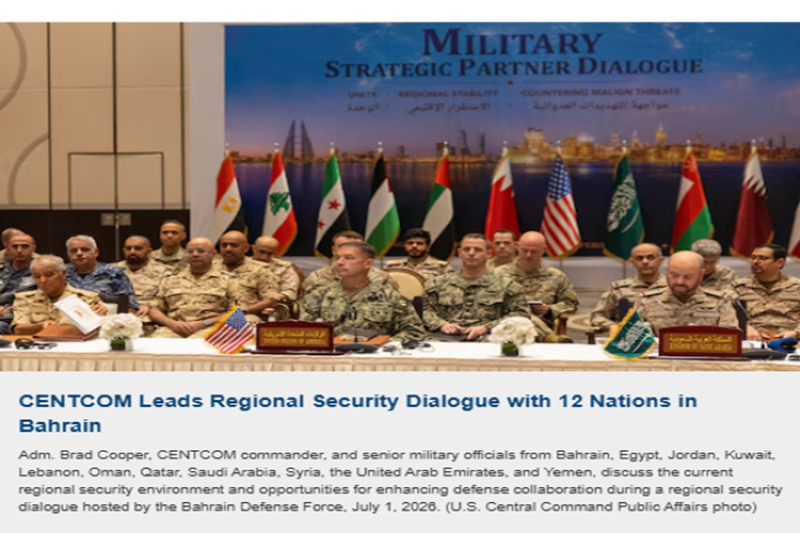
Neighboring states are increasingly drawn into the conflict. The United Arab Emirates has confirmed that its air defense systems are actively intercepting missile and drone threats, while Kuwait has activated response protocols following the tanker attack.
These developments highlight the growing risk of a broader regional escalation, as Iran moves to impose restrictions and potential tolls on vessels passing through the Strait of Hormuz.
Humanitarian Crisis Intensifies in Lebanon
The human toll is mounting in southern Lebanon, where Israeli evacuation orders have forced residents from villages in the Bekaa Valley to flee northward.
In Beirut, damaged buildings and overcrowded shelters reflect a worsening humanitarian situation. The deaths of UN peacekeepers have further escalated diplomatic tensions, with France calling the incident “unjustifiable.”
Strategic Flashpoints: Kharg Island and Hormuz
A key focal point remains Kharg Island, which handles most of Iran’s crude exports. Analysts warn that any strike on the facility could cripple Iran’s economy but would carry significant military risks, including sea mines and coastal defense systems.
Iran has also moved to restrict access to the Strait of Hormuz, compounding uncertainty for global shipping and energy markets.
Leadership Uncertainty Inside Iran
Speculation is growing over Iran’s internal stability. Mojtaba Khamenei, who reportedly succeeded his father as Supreme Leader, has not appeared publicly since early March, fueling rumors about his condition.
Meanwhile, President Masoud Pezeshkian has attempted to project normalcy, even as internet outages and restricted communications suggest increasing internal strain.
Long-Term Economic Risks
Economists warn that elevated oil prices could become a lasting reality if the conflict drags on. With Brent crude holding above $115, global markets—including the S&P 500 and Nasdaq Composite—have already shown signs of strain.
A prolonged disruption in the Strait of Hormuz could trigger cascading effects on global trade, manufacturing, and inflation, raising fears of a broader economic slowdown.
As the war enters its second month, the divergence between Washington’s push for a swift deal and Netanyahu’s open-ended strategy underscores a volatile and uncertain phase for both the Middle East and the global economy.