
Netanyahu Discloses Secret Prostate Cancer Treatment Amid Confrontation with Iran
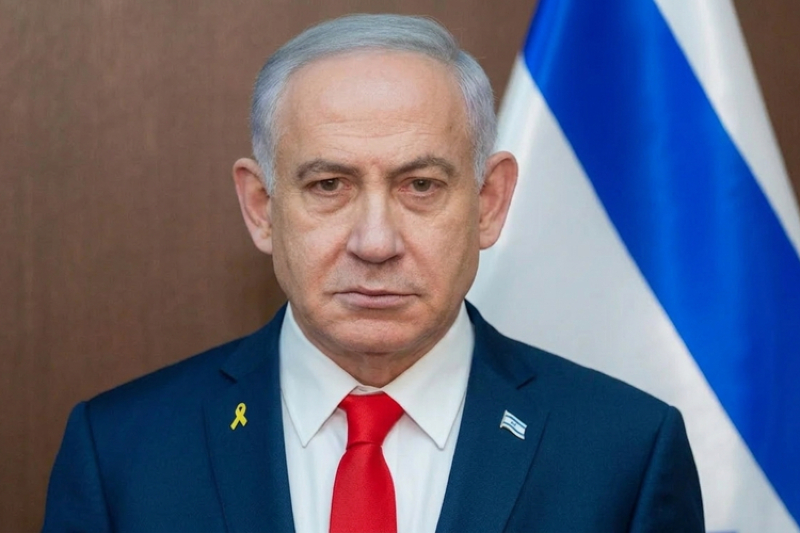
TEL AVIV — Israeli Prime Minister Benjamin Netanyahu confirmed on Friday that he has successfully undergone treatment for early-stage prostate cancer.
The Prime Minister admitted to withholding the diagnosis from the public for over two months, claiming the secrecy was a strategic necessity to prevent the "Iranian terror regime" from using his health for propaganda purposes during active military hostilities.
Netanyahu, 76, insisted that he is now in "excellent physical shape" and that the malignancy has been entirely eradicated following targeted radiation therapy.
Diplomacy and Deception
The diagnosis was discovered during a routine follow-up after a previously reported surgery for an enlarged prostate in December 2024.
According to Dr. Aron Popovtzer, head of oncology at Hadassah Medical Center, the Prime Minister opted for an intensive course of radiation rather than "active surveillance."
Netanyahu justified the delay in revealing his condition by linking his personal health to the stability of the state.
The Strategic Delay: The Prime Minister stated he did not want his health report released at the "height of the war," specifically during the period surrounding the joint U.S.-Israeli strikes against Iran that commenced in late February.
The Treatment Process: Netanyahu described the sessions as brief and non-disruptive. "I went in for a few short treatments, read a book, and continued working," he said, adding that the spot has "completely disappeared."
A Pattern of Medical Secrecy
The announcement has drawn sharp criticism from opposition leaders and the Israeli press, who pointed to a history of delayed medical disclosures.
2023 Incident: In July 2023, a fainting spell was initially characterized as simple dehydration before it was revealed that Netanyahu required a pacemaker.
Opposition Response: Lawmaker Naama Lazimi took to social media to argue that the public is "entitled to know the truth" in real-time, especially when the leader’s health impacts national security decisions.