
Legal Fee Battle: Judge Questions Sanctions as Maduro Faces 'Plunder' Allegations in NY Court
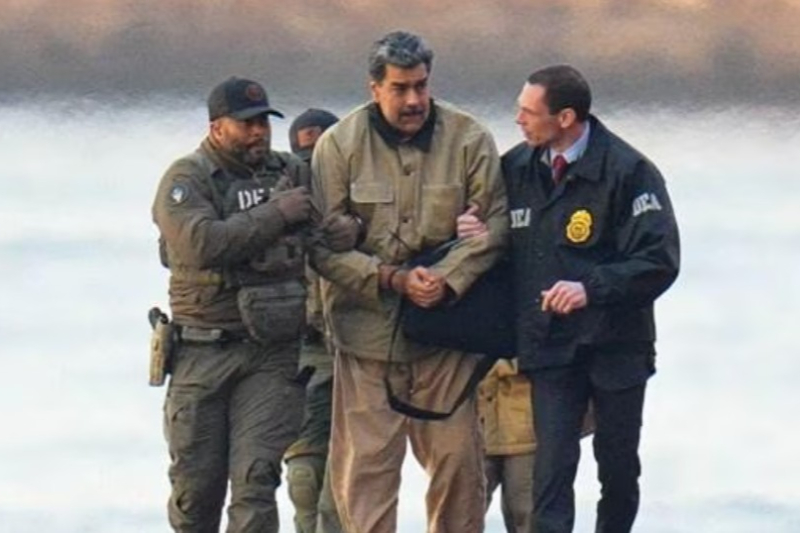
The high-stakes legal drama surrounding former Venezuelan leader Nicolás Maduro reached a new impasse in a New York federal court on Thursday, March 26, 2026.
At the heart of the dispute is a fundamental constitutional question: Should a sanctioned foreign official be allowed to use their government’s wealth to fund a private legal defense against U.S. criminal charges?
The Argument Over Government Funds
Attorneys representing Maduro and his wife, Cilia Flores, petitioned Judge Alvin Hellerstein to dismiss the narco-terrorism case against the couple. They argued that current U.S. sanctions have unfairly stripped them of the ability to pay their legal team, effectively hampering their right to a fair trial.
While the U.S. Treasury’s Office of Foreign Assets Control (OFAC) initially granted a license for the Venezuelan government to cover the fees, that license was later revoked.
Prosecutors argued fiercely against restoring it, claiming Maduro "plundered" the national wealth of Venezuela and should not be permitted to use state funds for personal criminal defense, especially citing national security concerns.
"The Right to Defense is Paramount"
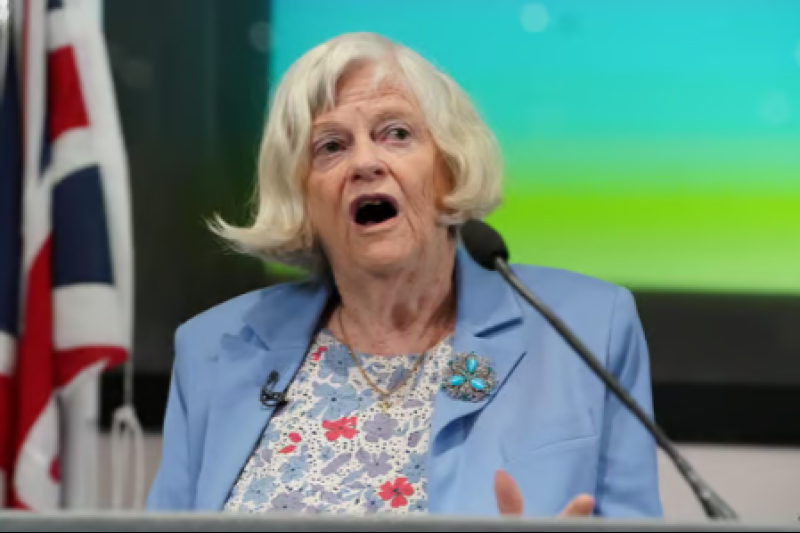
Despite the prosecution's objections, the 92-year-old Judge Hellerstein appeared sympathetic to the defense’s logistical hurdles. He noted that the complexity of a case involving a former head of state might be "overwhelming" for a court-appointed public defender.
"The right to defense is paramount," the judge remarked, though he explicitly stated he would not dismiss the charges entirely based on this fee dispute. He pointed out that the geopolitical landscape has shifted since the couple's capture in January, noting that the U.S. is currently "doing business" with the successor administration in Caracas led by Delcy Rodríguez.
A Quiet Day in Court
The scene inside the courtroom was a marked departure from previous hearings. Maduro and Flores, dressed in green khaki prison jumpsuits and listening to proceedings through translation headphones, remained silent. This stood in sharp contrast to Maduro’s first appearance, where he delivered a defiant speech claiming he had been "kidnapped" by U.S. forces.
The couple has been held at the Metropolitan Detention Center in Brooklyn since a dramatic night-time raid on their Caracas compound on January 3, 2026. They currently face a litany of serious charges, including:
Narco-terrorism conspiracy
Cocaine importation conspiracy
Illegal possession of machine guns and destructive devices
Political and Public Reaction
In Washington, President Donald Trump addressed the case during a Cabinet meeting, stating that the U.S. is weighing additional charges but emphasized that Maduro would receive "a fair trial."
The news has deeply polarized the public in Venezuela. In Caracas, residents remain glued to international news feeds due to local censorship.
While some citizens expressed a desire for a life sentence to answer for years of economic hardship, others remained loyal to the former president, maintaining his innocence and criticizing the U.S. intervention.
What’s Next?
Judge Hellerstein has reserved his decision on the legal fees for a later date. As of now, no trial date has been set, and the Maduros have not yet made an application for bail.
The ruling on the funding will be a critical bellwether for how the U.S. justice system handles the prosecution of high-profile foreign figures under heavy sanctions.
Case Summary: U.S. vs. Nicolás Maduro and Cilia Flores
The legal proceedings in New York represent one of the most significant criminal cases ever brought by the United States against a foreign head of state. Here is the breakdown of the current legal status as of March 27, 2026.
1. Core Allegations and Charges
The U.S. Department of Justice has charged Nicolás Maduro with leading a "narco-terrorism" partnership known as the Cartel of the Suns (Cartel de los Soles).
Narco-Terrorism Conspiracy: Alleging a 20-year partnership with the FARC (Revolutionary Armed Forces of Colombia) to flood the U.S. with cocaine.
Cocaine Importation Conspiracy: Specifically, the use of Venezuelan territory as a "safe haven" for massive drug shipments to North America.
Weapons Offenses: Specifically the possession and conspiracy to possess machine guns and destructive devices (grenades/missiles) used to protect drug shipments.
Corruption & "Plundering": Prosecutors allege that Maduro and his inner circle converted the Venezuelan state into a criminal enterprise, siphoning billions in national wealth for personal use.
2. Potential Punishment
The charges carry extremely heavy penalties under U.S. federal law:
Minimum Sentence: 20 to 30 years in federal prison.
Maximum Sentence: Life imprisonment. Given the "mandatory minimums" associated with machine gun and narco-terrorism charges, any conviction would likely result in Maduro spending the remainder of his life in a U.S. maximum-security facility.
3. Current Stage of the Case
The case is currently in the Pre-Trial Motion Phase.
The Issue: The defense is fighting for the right to use frozen Venezuelan government funds to pay private legal fees, arguing that a public defender cannot handle the geopolitical complexity of the case.
Detention: Both defendants are being held without bail at the Metropolitan Detention Center (MDC) in Brooklyn.
Trial Status: No trial date has been set. The court is still resolving "discovery" (the sharing of evidence) and the current financial disputes.
4. Status of Cilia Flores (Co-Accused vs. Separate Case)
Cilia Flores is a direct co-accused in the same indictment as her husband.
She is not facing a separate trial; rather, she is being tried alongside Maduro for her alleged role in coordinating the financial aspects of the conspiracy and utilizing her position to facilitate the "plundering" of state assets.
During the March 26 hearing, they appeared together in court, represented by a joint defense strategy.
5. Next Date of Hearing
While Judge Alvin Hellerstein did not set a definitive calendar date during Thursday’s session, he indicated that a written ruling on the legal fees would be issued within the next 14 to 21 days.
A status conference is expected to be scheduled for late April 2026 to discuss the next steps for discovery and a potential trial timeline.
Note: The judge's comment that the U.S. is "doing business" with the new administration under Delcy Rodríguez is a significant detail to highlight, as it suggests the U.S. court recognizes the current change of power in Caracas as a relevant factor in the legal proceedings.