
Leadership Crisis: Signs Grow Starmer Will Step Down as Cabinet Support Collapses
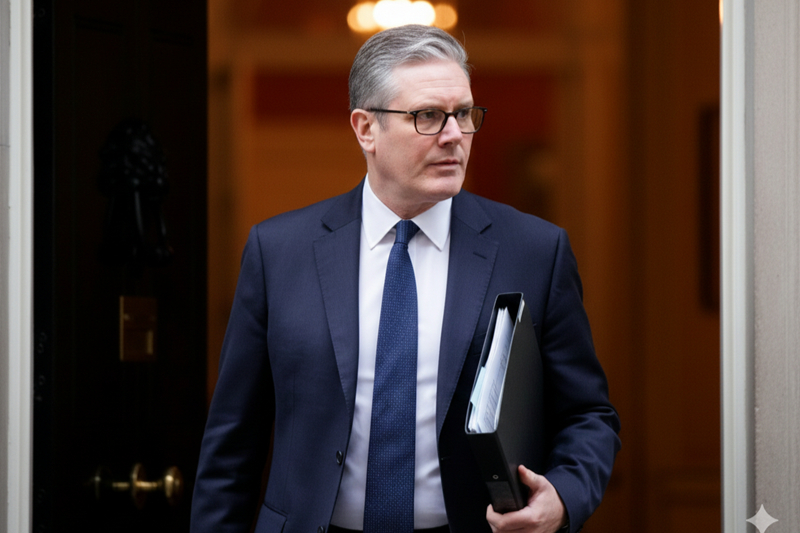
LONDON — Pressure is intensifying on British Prime Minister Sir Keir Starmer to step down, with senior government sources indicating a weekend shift in the political mood could lead to a resignation timetable being announced as early as Monday.
While Starmer has consistently maintained he would fight any leadership challenge, insiders report that his authority has rapidly deteriorated over the past 48 hours following a pivotal by-election defeat.
The Makerfield Defeat and Cabinet Fallout
The catalyst for the current crisis was the Makerfield by-election, where Greater Manchester Mayor Andy Burnham secured a commanding victory over Reform UK. For Labour lawmakers anxious about the rising electoral threat from Nigel Farage’s party, Burnham’s decisive win offered a successful counter-strategy, immediately positioning him as a primary leadership contender.
The political fallout inside the parliamentary Labour Party has been swift:
Cabinet Dissent: Senior frontbenchers, including Foreign Secretary Yvette Cooper, Home Secretary Shabana Mahmood, and Transport Secretary Heidi Alexander, have privately urged the Prime Minister to step aside. The fact that these ministers remain in their posts despite breaking ranks underscores the collapse of Downing Street's authority.
Backbench Revolt: Dozens of MPs have joined calls for a leadership change, arguing that the government’s low polling numbers are linked directly to Starmer’s personal unpopularity rather than broader party policy.
Disputes Over Transition Timeline
With Burnham now viewed as the clear favorite to succeed Starmer, internal debate has shifted to how—and how quickly—a transition of power should take place. Factions within the party are divided over the risks of a protracted leadership vacuum:
| Transition Strategy | Proposed Timeline | Main Objectives & Risks |
|---|---|---|
| Deliberate Transition | Late September | Aims to hand over power around the annual Labour Party conference, allowing the incoming administration time to organize its policy platform. |
| Accelerated Handover | Immediate | Advocates argue that a months-long interregnum would paralyze government operations and fuel destabilizing media speculation. |
Cabinet Positioning and Economic Policy Fears
Even as Starmer weighs his future, internal positioning for key government roles has begun, exposing familiar ideological divides within the party.
Speculation that Ed Miliband could be appointed Chancellor of the Exchequer under a Burnham administration has caused significant friction among centrist and right-leaning Labour MPs, who view the potential move as a distinct shift toward left-wing economic policy.
Sharon Graham, the general secretary of the Unite trade union, has already publicly intervened to urge Burnham against appointing Miliband to the Treasury.
Alternative candidates, including former Health Secretary Wes Streeting, are reportedly assessing their options. While Streeting’s allies have called for discussions among leading figures to establish a unified path forward, any challenger face a steep institutional hurdle: securing the nominations of 81 MPs in a heavily compressed timeframe to successfully get onto a leadership ballot.
Burnham and his close advisers have maintained public silence over the weekend to allow the Prime Minister space to consider his position. Observers in Westminster expect clarity on the future of the government by Monday morning.