

"Judiciary Cannot Be Intimidated": Delhi High Court Launches Contempt Proceedings Against Arvind Kejriwal
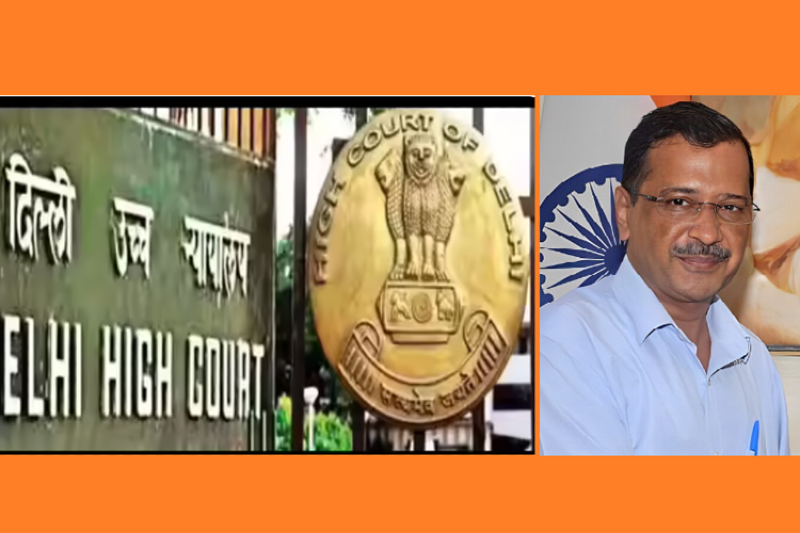
NEW DELHI — In a significant escalation of the legal battle surrounding the Delhi liquor policy case, Justice Swarana Kanta Sharma of the Delhi High Court announced on Thursday (May 14, 2026) that the court is initiating contempt of court proceedings against Aam Aadmi Party (AAP) chief Arvind Kejriwal and other senior leaders, including Manish Sisodia.
The decision follows what the judge described as a "coordinated campaign" on social media aimed at vilifying the judiciary and undermining public confidence in the institution.
Allegations of a Digital Smear Campaign
Justice Sharma, who is currently presiding over the liquor policy matter, noted that while legal proceedings were active inside the courtroom, a parallel narrative was being crafted digitally.
The judge characterized the online material as "extremely vilifying, extremely contemptuous, and defamatory," asserting that it constituted a direct attack on the judicial branch.
"My family members were dragged and vilified with edited videos," Justice Sharma stated, adding that these actions were intended to intimidate both her personally and the institution of the judiciary.
The Dispute Over Recusal
The friction intensified after the court recently rejected a request from Kejriwal for Justice Sharma to recuse herself from the case based on allegations of bias. Following that ruling, Kejriwal and other AAP leaders stopped attending the hearings.
In a post on the social media platform X, Kejriwal explained his decision to boycott the proceedings, citing a "shattered" hope for justice and invoking the spirit of Satyagraha. "I have decided that I will not appear before her in this case and will not present any arguments either," his post read.
A Duty to Protect the Institution
Addressing the court today, Justice Sharma emphasized that while judges are trained to handle fair criticism, the current situation demanded a firm response to maintain the integrity of the law.
Key remarks from the judge included:
Institutional Trial: When the judiciary itself is put on trial by external campaigns, a judge must ensure the court remains ungoverned by such pressure.
Public Confidence: The survival of the judiciary relies on public trust rather than raw power; therefore, coordinated efforts to destroy that trust represent the "gravest instance of contempt".
Judicial Restraint: While the judicial robe demands calmness, Justice Sharma noted that "sometimes remaining silent is not judicial restraint. The moment has arrived today".
The initiation of contempt proceedings marks a rare and serious move by the High Court against a sitting political leadership, signaling a stern stance against the use of social media to influence or retaliate against judicial officers.