
Iran Warns of Full Hormuz Closure if US Targets Power Plants
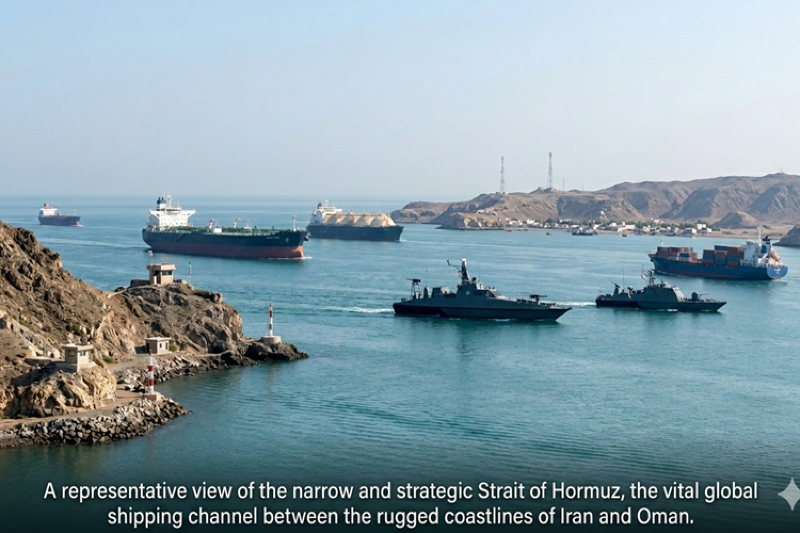
Iran has issued a stark warning that it will completely shut down the strategically vital Strait of Hormuz if the United States carries out threats to strike its energy infrastructure, dramatically escalating tensions in the Middle East.
The warning comes after Donald Trump said Washington could “obliterate” Iran’s power plants if the key shipping route is not reopened within 48 hours. The narrow waterway is crucial for global energy supplies, with a significant portion of the world’s oil passing through it daily.
Iran Signals Strong Retaliation
In a statement broadcast by state-linked media, Iran’s Islamic Revolutionary Guard Corps (IRGC) said the strait would be “completely closed” if American forces target Iranian facilities. The group also warned that energy infrastructure across the region, particularly in countries hosting US bases, could become targets.
Iranian officials have further indicated that the closure would remain in place until any damaged power plants are restored, raising fears of a prolonged disruption to international oil markets.
Missile Strikes Intensify Conflict
The situation on the ground continues to deteriorate. Israeli strikes on Tehran overnight were followed by Iranian missile attacks on southern Israel. More than 160 people were reported injured in the cities of Arad and Dimona, both located near sensitive installations.
Officials believe one of the intended targets was a nuclear-related facility near Dimona, although international monitors have reported no signs of radiation leakage so far.
Regional Tensions Spread
The conflict is increasingly affecting neighboring countries. Saudi Arabia and the United Arab Emirates confirmed intercepting incoming missiles and drones, highlighting the widening scope of the crisis.
Meanwhile, maritime authorities reported an explosion near a commercial vessel off the UAE coast, adding to concerns over shipping safety in the Gulf region.
Civilians Fear Infrastructure Collapse
Inside Iran, civilians have expressed growing concern over the impact of potential strikes on essential services. Residents fear that attacks on power plants could disrupt electricity, water supply, and banking systems, severely affecting daily life.
The anxiety is compounded by an ongoing nationwide internet blackout, making communication and access to information increasingly difficult.
Global Energy and Diplomatic Stakes
The latest developments have intensified worries about global energy security. A full closure of the Strait of Hormuz could trigger sharp increases in oil prices and disrupt supply chains worldwide.
Despite the rising tensions, international agencies have indicated that diplomatic channels remain open, with cautious hopes that negotiations could resume before the situation spirals further.
As military actions and threats continue from both sides, the coming days are expected to be critical in determining whether the crisis escalates into a broader regional conflict or moves toward de-escalation.