
Iran Rejects Talk Rumors as Conflict Spreads to Lebanon and the Gulf
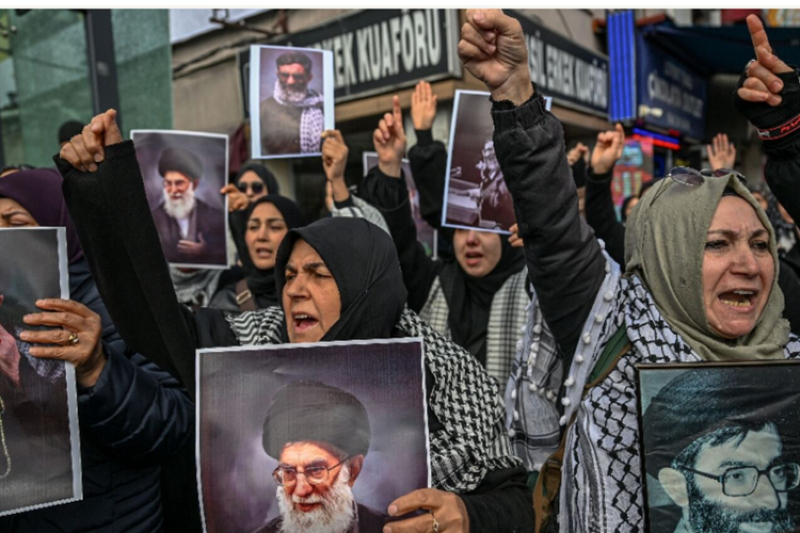
The Middle East has spiraled into a multi-front conflict following the assassination of Iranian Supreme Leader Ayatollah Ali Khamenei. While U.S. sources previously hinted at a diplomatic opening, Tehran has officially slammed the door on negotiations, vowing to continue its "defensive" operations against U.S. and Israeli forces.
Tehran Denies Diplomatic Overtures
Ali Larijani, Secretary of Iran’s National Security Council, took to social media on Monday to categorically dismiss reports that Iran is seeking fresh nuclear talks with Washington.
"We will not negotiate with the United States," Larijani stated, asserting that Iran is currently focused on defending its sovereignty following two waves of heavy U.S.-Israeli airstrikes.
The Iranian Foreign Ministry further noted that previous diplomatic tracks—including 2025 negotiations and talks with the IAEA—were "interrupted" by military aggression, leaving little room for a peaceful resolution.
Escalation in Lebanon: Hezbollah Enters the Fray
The conflict expanded significantly overnight as Hezbollah launched rocket attacks into northern Israel, ending a period of relative restraint. The Lebanese group described the strikes as direct retaliation for the killing of Khamenei and ongoing Israeli violations of Lebanese territory.
In response, the Israeli military has:
Launched massive strikes on Beirut's Dahiyeh district and southern Lebanese towns.
Targeted senior Hezbollah figures in what it describes as precision operations.
Issued evacuation orders for over 53 villages, triggering a "heavy exodus" of hundreds of thousands of civilians seeking safety in the north.
'Operation Epic Fury' Impacts the Gulf
The U.S. Pentagon is set to provide a formal briefing on "Operation Epic Fury" later today. While the administration frames the strikes as necessary to neutralize "imminent threats," a leaked report suggests internal Pentagon briefings found no intelligence that Iran had planned to attack the U.S. prior to the current offensive.
The regional fallout continues to mount:
Casualties in Iran: Striking footage from Tehran and Sanandaj shows residential areas in ruins.
Reports indicate at least 20 civilians died in Tehran’s Niloofar Square, while an attack on a school in Minab reportedly left over 160 dead. Gulf Interceptions: Kuwaiti and Qatari air defenses have been active.
Kuwait reported neutralizing "hostile drones" near its capital, while Qatar has deployed fighter jets to intercept projectiles over the Gulf waters to avoid falling debris in Doha. Global Markets: Oil prices surged by 5% as shipments through the Strait of Hormuz faced disruptions. Major trading houses like Japan’s Itochu are already looking for alternative fuel sources outside the Middle East.
Domestic Pushback in Washington
In the U.S., the military campaign faces growing political and public scrutiny.
Concurrently, a bipartisan group of senators, including Adam Schiff and Rand Paul, is pushing for a war powers resolution to curb President Trump’s authority to continue the offensive without explicit Congressional approval. "Congress holds the power to declare war—not the President," Schiff emphasized.
Read more🔗
https://thereporter24.com/news/middle-east-conflict-escalates-as-israel-and-hezbollah-exchange-fire-following-strikes-on-iran
https://theimpartial24.blogspot.com/2026/03/3-us-military-killed-in-action-during.html