
Iran Grants Strategic Passage Through Strait of Hormuz to Bangladesh and Four Allied Nations
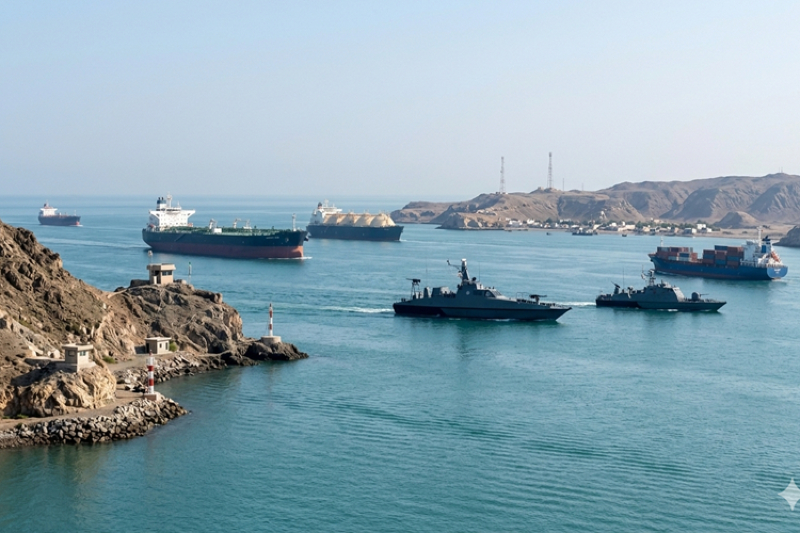
Amidst the intensifying maritime volatility in the Middle East, the Iranian government has issued a critical update regarding the navigation of the Strait of Hormuz. In a move that balances military posturing with diplomatic pragmatism, Tehran announced that vessels from Bangladesh, India, China, Russia, and Pakistan will be guaranteed safe passage through the world’s most vital energy chokepoint.
A Strategic "Green Channel" for Friendly Nations
The announcement came during an interview on Iranian state television by Foreign Minister Abbas Araghchi. Addressing the global concerns over a total maritime blockade, Araghchi clarified that while restrictions are "drastic" for hostile entities, a "green channel" remains open for nations maintaining positive diplomatic ties with Tehran.
"The narrative of a complete shutdown promoted by Western media is inaccurate," Araghchi stated. "We are in constant coordination with the shipping authorities of our partners. Our armed forces are instructed to ensure the security of vessels from countries like China, Russia, Pakistan, and India. Furthermore, we believe Bangladesh is firmly included in this framework of cooperation."
The Economic Stakes: Why the Strait Matters
The Strait of Hormuz is often described as the "world's jugular vein" for energy. It is a narrow waterway—only 21 miles wide at its narrowest point—linking the Persian Gulf with the Gulf of Oman and the Arabian Sea.
Energy Flow: Approximately 20% of the world's total petroleum and a massive share of Liquified Natural Gas (LNG) pass through this corridor daily.
Regional Impact: For South Asian economies like Bangladesh and India, any prolonged disruption to this route could lead to a sharp spike in domestic fuel prices and inflation.
The Conflict Factor: The current restrictions were triggered following the escalation of military tensions between Iran, Israel, and the United States last month.
Identifying the Five "Safe" Nations
The selection of the five countries—Bangladesh, India, China, Russia, and Pakistan—reflects Iran’s current geopolitical alignment.
China & Russia: As major global powers and strategic allies, their inclusion ensures Iran maintains its most significant economic and military lifelines.
India: Despite India's ties with the West, its energy dependence and the strategic importance of the Chabahar Port necessitate a functional relationship with Tehran. Araghchi noted that two Indian vessels successfully navigated the strait just days ago.
Pakistan & Bangladesh: For these South Asian nations, the assurance provides a much-needed sigh of relief for their energy security and garments export sectors, which rely on stable shipping lanes.
Strict Prohibitions for Adversaries
While the door remains open for friends, Araghchi was firm regarding the "enemy" list. Vessels flying the flags of the United States and Israel, or those owned by entities in certain Gulf nations perceived as supporting the current military aggression against Iran, face a total ban.
The Iranian military has reportedly deployed advanced surveillance and naval assets to monitor every hull passing through the strait. "Those involved in hostilities or acting as the 'backstage' for our enemies will find no passage here," the Foreign Minister warned.
Looking Ahead: Global Market Reactions
International oil markets have remained on edge since the conflict began. While the news of "safe passage" for five major nations provides some stability, analysts warn that the exclusion of Western-linked shipping will keep global insurance premiums high and supply chains strained.
As the situation evolves, the coordination between the Iranian armed forces and the shipping ministries of these five nations will be the ultimate test of whether the Strait of Hormuz can remain a functional trade route amidst the fires of regional conflict.